By Shanjid Shane 🕒 Apr 28, 2026
World Bank: Even If War Ends Soon, Prices Set to Jump 24% Worldwide!
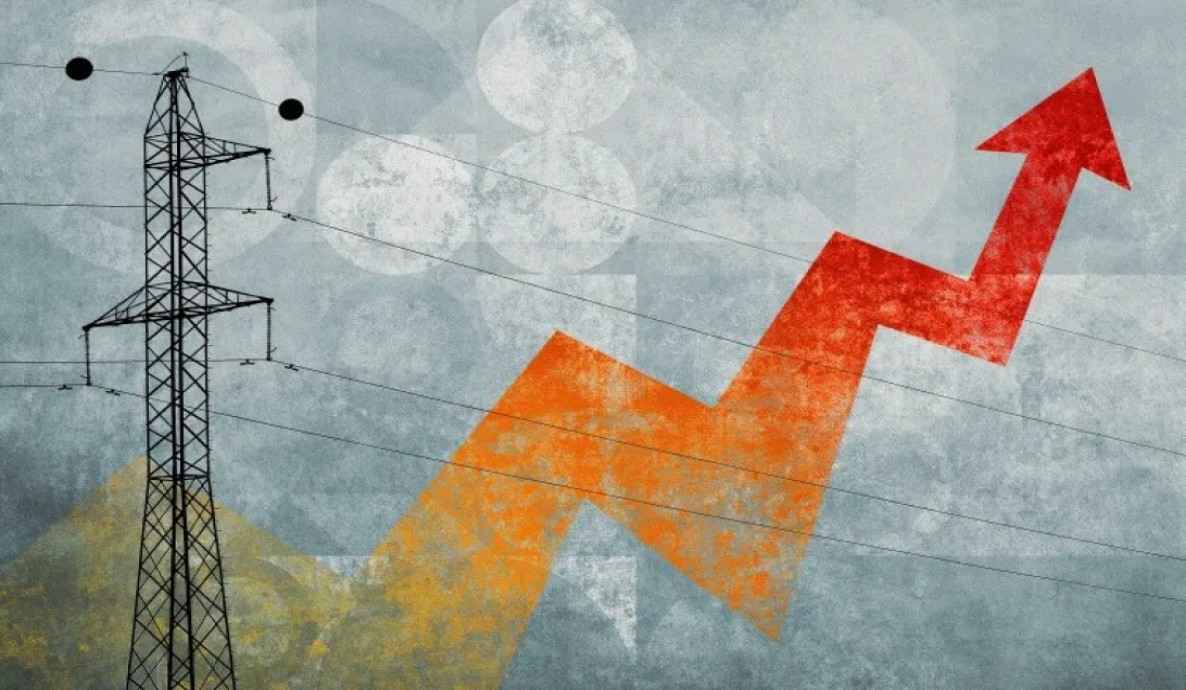
The world could soon face a major surge in energy prices, even if the worst impacts of the Middle East conflict fade in the coming months. According to a new forecast, global energy prices are expected to rise by about 24% in 2026, creating pressure on economies, businesses, and everyday people.
The main reason behind this expected increase is the ongoing conflict in the Middle East. This region is one of the world’s most important sources of oil and gas. When war disrupts production, transport, or exports, it affects the entire global supply.
One key concern is the disruption of major shipping routes used to transport oil. Even partial interruptions can create fear in the market, pushing prices up quickly. Oil companies may also reduce production or delay shipments due to safety risks.
Even if the situation improves by May 2026—as assumed in the forecast—damage to infrastructure and ongoing uncertainty will likely keep supply tight.
Why prices rise even if things improve
You might expect prices to fall once the situation gets better. But energy markets don’t work that simply.
Prices are influenced not only by current supply, but also by future expectations and risks. Traders and companies often raise prices in advance if they believe problems could continue or return. So even a temporary crisis can have long-lasting effects.
At the same time, global demand for energy remains strong. When supply falls but demand stays the same, prices naturally go up.
Effects on everyday life
Higher energy prices don’t just affect fuel costs—they spread through the entire economy.
Transport becomes more expensive, increasing the cost of goods
Electricity bills rise as power generation gets costlier
Food prices increase, because farming and transport rely heavily on fuel
Fertilizers, which depend on natural gas, are also expected to become much more expensive. This could reduce crop production and lead to food shortages in some regions.
Risk of inflation and slower growth
As prices rise across multiple sectors, inflation is likely to increase globally. This means people will pay more for everyday items while their income may not rise at the same pace.
To control inflation, central banks may increase interest rates. However, higher interest rates make borrowing more expensive, slowing down business investment and economic growth.
As a result, global economic growth is expected to weaken, especially in developing countries.
Who will be hit the hardest?
Countries that depend heavily on imported energy will suffer the most. These nations may face:
Higher fuel import costs
Increased electricity shortages
Rising living expenses
Lower-income populations are especially vulnerable, as they spend a larger portion of their income on food and energy.
What could happen next?
The forecast is based on a relatively optimistic scenario where the most severe disruptions end soon. However, if the conflict continues or worsens, the situation could become far more serious.
In a worst-case scenario, energy prices could rise even higher, possibly leading to a global economic slowdown or recession.
The bigger picture
This situation highlights how deeply connected the global economy is. A conflict in one region can quickly impact fuel prices, food supply, and financial stability around the world.
Even if peace returns soon, the effects of this crisis may be felt throughout 2026 and beyond.
In short:
Even a short-lived conflict can trigger long-term economic challenges—and the world may soon feel the impact in fuel prices, food costs, and daily life.
Stay Ahead of the News
Before Everyone Else
Major stories break every hour. Join our news community and receive instant alerts, viral headlines, and important updates the moment they happen.