By Shanjid Shane 🕒 May 14, 2026
Trump and Xi Seek Stability Amid Rising Global Uncertainty
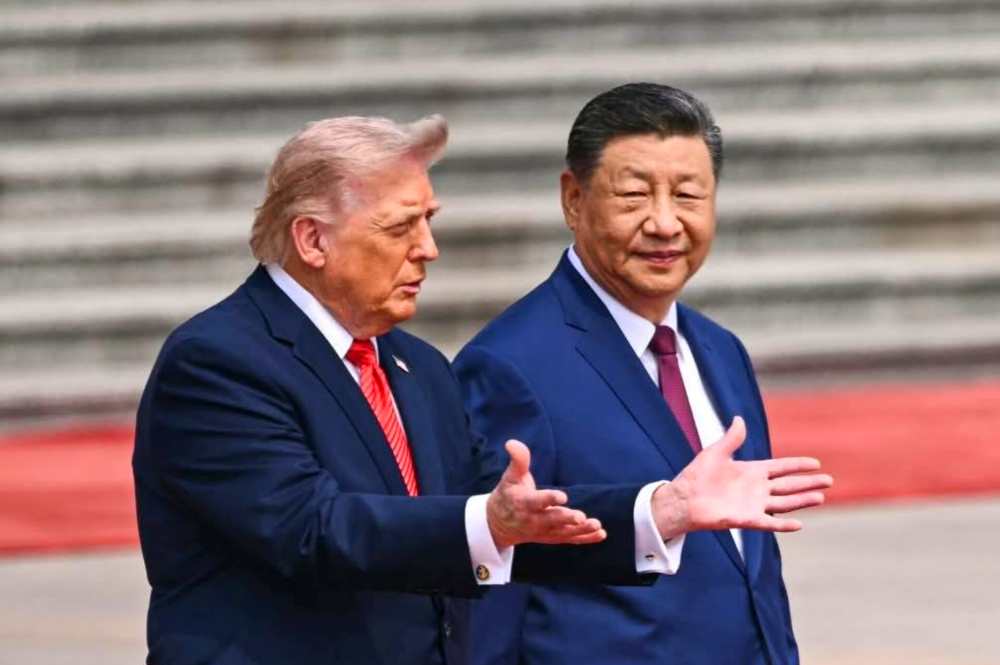
In a world facing economic pressure, wars, and growing political tensions, Donald Trump and Xi Jinping met in Beijing for talks that could shape global politics for years to come.
More topics for you...This topic continues below.
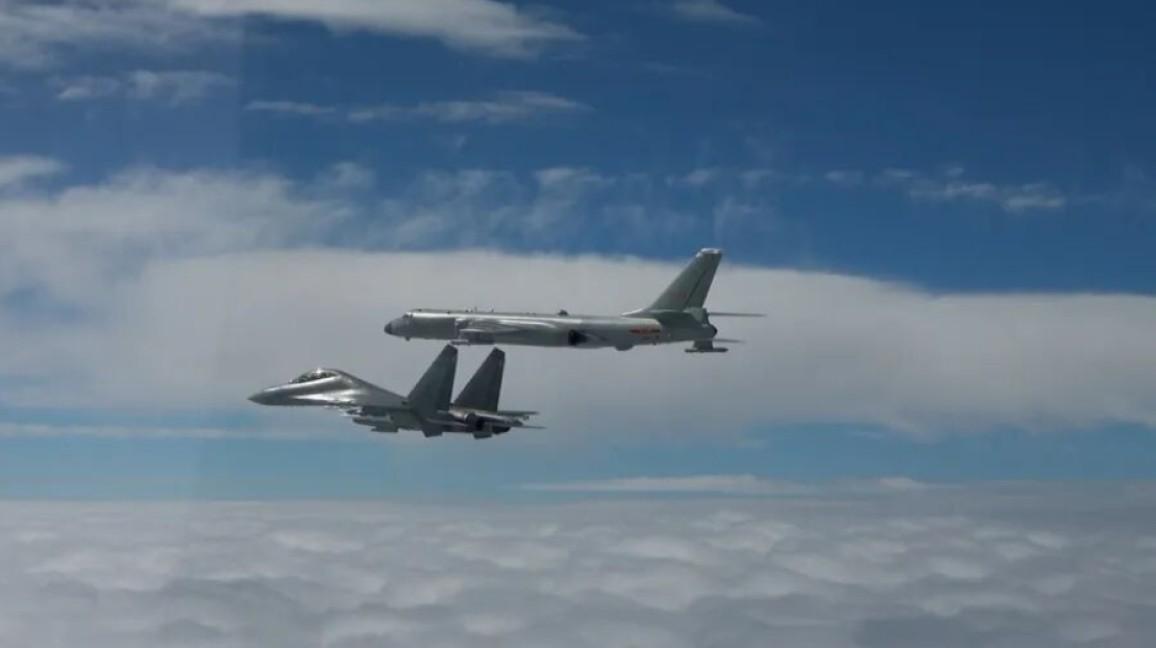
China and Russia Conduct 11th Joint Strategic Air Patrol Over Sea of Japan and Western Pacific: What It Means for Regional Security.
The meeting is being closely watched because the United States and China are the world’s two biggest powers. When relations between them improve, global markets often become calmer. But when tensions rise, the impact can be felt across the world — from fuel prices and trade to technology and international security.
This summit happened during one of the most uncertain periods in recent years. The global economy is still recovering from inflation problems, conflicts in different regions are increasing, and countries are competing harder over technology and military influence.
Why This Meeting Matters
The relationship between the US and China has become more complicated over the last decade. Both countries depend on each other economically, but they also compete in many important areas.
The meeting between Trump and Xi focused on four major issues: trade and tariffs, Taiwan tensions, artificial intelligence and technology, global conflicts. Each topic carries serious global consequences.
Trade: The Economic Battle Continues
Trade remains one of the biggest issues between Washington and Beijing.
For years, the US and China have argued over tariffs, manufacturing, and market access. The United States has accused China of unfair trade practices, while China has criticized American restrictions on Chinese companies.
Trump has long supported tougher trade policies against China. During previous years, tariffs were placed on billions of dollars worth of Chinese goods. Those actions affected factories, supply chains, and prices around the world.
Now, both sides appear interested in reducing some economic pressure because global markets remain fragile.
If tensions continue prices for electronics, cars, and consumer goods could rise, global supply chains may face disruptions, businesses may delay investments.
If relations improve markets could stabilize, trade between major economies may increase, investor confidence could grow again.
Many international companies are paying close attention because both countries play a major role in global manufacturing and technology.
Taiwan: The Most Sensitive Issue
Taiwan remains the most dangerous point of tension between the US and China.
China considers Taiwan part of its territory and strongly opposes any move toward Taiwanese independence. The United States officially follows the “One China” policy but also maintains close relations with Taiwan and supports its defense capabilities.
During the summit, Xi reportedly warned that mishandling Taiwan could lead to conflict. That message reflects how seriously Beijing views the issue.
Why does Taiwan matter so much?
Taiwan is important for three major reasons:
1. Geography and Military Strategy
Taiwan sits in a strategically important area in Asia. Control over the region affects shipping routes and military influence in the Pacific.
2. Technology Power
Taiwan is home to some of the world’s most advanced semiconductor companies. These chips are essential for smartphones, artificial intelligence, cars, military systems, data centers.
A conflict involving Taiwan could seriously damage the global tech industry.
3. Global Alliances
Any military crisis around Taiwan could pull in other countries, including US allies in Asia.
Because of this, leaders around the world closely monitor every statement from Washington and Beijing about Taiwan.
AI and Technology Competition
Another major focus of the meeting was artificial intelligence and advanced technology.
The US and China are competing to dominate future technologies, including AI systems, semiconductor production, quantum computing, cyber security, advanced military technology.
The United States has already placed restrictions on some advanced chip exports to China. Washington argues these restrictions are necessary for national security.
China, meanwhile, is investing heavily in building its own independent technology industry.
This competition matters because whichever country leads in AI and chip technology could gain major economic and military advantages in the future.
Some experts compare the current AI race to the space race during the Cold War.
The Iran Conflict Adds Pressure
The ongoing Iran situation also increased the importance of the summit.
Global leaders are worried that instability in the Middle East could increase oil prices, hurt global trade, create military risks, damage financial markets
The United States wants China to help reduce tensions because China has strong economic ties in the region.
China has recently tried to present itself as a global mediator in international conflicts. Beijing wants to show that it can play a bigger diplomatic role on the world stage.
Why Global Markets Care
Financial markets react strongly whenever US–China relations change.
Investors worry about new tariffs, supply chain disruptions, technology restrictions, military tensions
Even small diplomatic signals between Trump and Xi can influence stock markets, oil prices, currency values, tech company shares.
That is why business leaders, banks, and governments are watching the summit very carefully.
Can the Two Sides Truly Cooperate?
Despite public statements about stability, major disagreements still remain.
The US and China continue to compete for economic influence, military power, technology leadership,global political influence.
Many analysts believe the relationship will remain a mix of cooperation and rivalry.
Both countries need each other economically, but they also deeply distrust each other in several strategic areas.
This creates a complicated situation where both sides try to avoid direct conflict while still protecting their own interests.
The Bigger Global Picture
The Trump–Xi summit is not just about two leaders meeting. It represents a larger struggle over the future direction of the world.
Questions now facing global politics include:
Who will lead the next generation of technology?
Can the US and China avoid major conflict?
Will trade tensions continue growing?
Can global stability survive increasing geopolitical competition?
The answers to those questions could shape the global economy and international security for many years.
For now, the meeting between Trump and Xi sends one clear message: both sides understand that rising global uncertainty makes communication more important than ever.
Stay Ahead of the News
Before Everyone Else
Major stories break every hour. Join our news community and receive instant alerts, viral headlines, and important updates the moment they happen.