By Shanjid Shane 🕒 Jun 26, 2026
Bangladesh PM Tarique Rahman Meets China's Xi Jinping: Key Deals, Trade Talks and Strategic Impact Explained
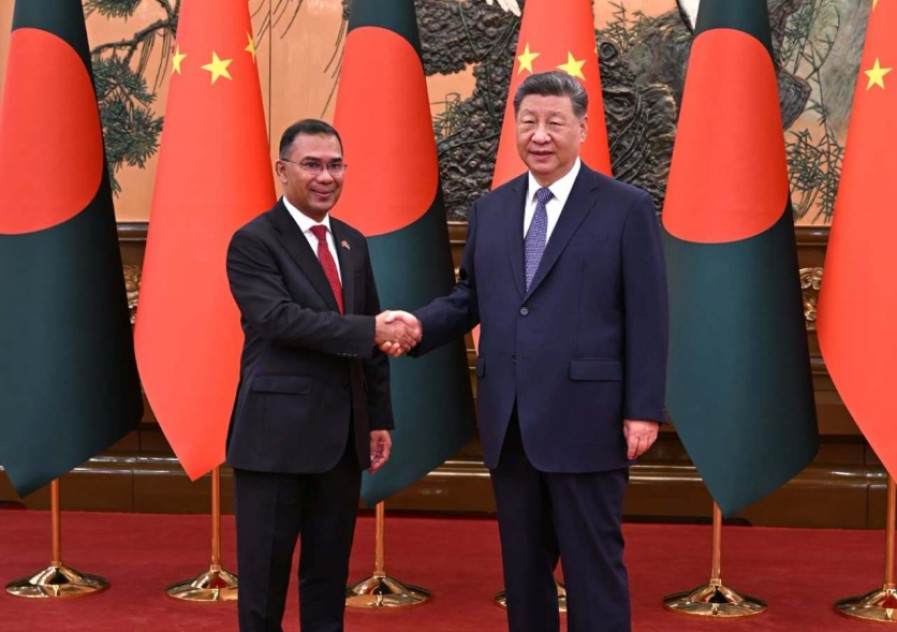
Bangladesh PM Tarique Rahman meets China's Xi Jinping in Beijing on June 26, 2026. Explore the key agreements, trade discussions, investment plans and regional impact.
Bangladesh PM Tarique Rahman Meets China's Xi Jinping: Trade, Investment and Regional Cooperation Take Center Stage
Published: June 26, 2026
Bangladesh Prime Minister Tarique Rahman held high-level talks with Chinese President Xi Jinping in Beijing on Friday, June 26, in a meeting that underscored growing economic cooperation between the two countries. The discussions focused on expanding trade, attracting Chinese investment, strengthening infrastructure partnerships and deepening cooperation in technology and water resource management.
The visit marks one of the most significant diplomatic engagements between Bangladesh and China since the formation of Bangladesh's new government. Officials from both sides described the meeting as an opportunity to strengthen long-term bilateral ties while addressing shared economic priorities.
Bangladesh PM Tarique Rahman and Xi Jinping Discuss Trade and Investment
Trade was one of the central issues during the meeting.
Bangladesh urged China to increase imports of Bangladeshi products, including pharmaceuticals, leather goods, seafood, jute products and agricultural exports such as mangoes and jackfruit. Reducing the large trade imbalance between the two countries remains one of Dhaka's key economic objectives.
Chinese officials expressed support for expanding imports of quality Bangladeshi products while encouraging stronger business cooperation between companies from both nations.
The leaders also discussed creating new opportunities for Chinese manufacturers and investors in Bangladesh, particularly in industrial zones, export-oriented industries and high-value manufacturing.
Infrastructure, Technology and Green Development
Beyond trade, the talks covered several areas of long-term cooperation.
Both governments explored expanding collaboration on transport infrastructure, industrial development, renewable energy and the digital economy. Artificial intelligence, green technology and skills development also featured in the discussions as Bangladesh seeks to modernize key sectors of its economy.
Officials said both countries remain committed to working together on development projects that support economic growth and employment.
Thirteen Cooperation Agreements Signed
Following the bilateral meetings, Bangladesh and China signed 13 Memorandums of Understanding (MoUs) covering a wide range of sectors.
The agreements include cooperation in:
- Trade promotion
- Investment
- Green development
- Education
- Cultural exchange
- Media cooperation
- Human resource development
- Development partnerships
While most of the agreements establish frameworks for future cooperation rather than legally binding commitments, they are expected to guide future government and private-sector collaboration.
Teesta River Cooperation Returns to the Agenda
Water resource management also emerged as an important topic.
The two sides discussed cooperation related to the Teesta River, an issue that has attracted regional attention in recent years. Although no major project was formally announced, officials indicated that technical cooperation and future development initiatives remain under consideration.
Why the Meeting Matters
Analysts say the visit reflects Bangladesh's broader effort to strengthen economic partnerships while maintaining balanced relations with major global powers.
China is already one of Bangladesh's largest trading partners and a major investor in infrastructure. Greater Chinese investment could help Bangladesh expand manufacturing capacity, create jobs and diversify exports.
For Beijing, Bangladesh represents an increasingly important partner in South Asia because of its strategic location along the Bay of Bengal and its growing economy.
The meeting also comes at a time when regional diplomacy continues to evolve, with countries across South Asia seeking stronger economic partnerships while balancing relationships with multiple global powers.
Challenges Ahead
Despite the positive tone of the discussions, several challenges remain.
Bangladesh continues to run a significant trade deficit with China, and turning investment announcements into completed projects will require sustained implementation.
Economic experts also note that future cooperation will depend on project financing, commercial viability and Bangladesh's ability to attract private investment alongside government-led initiatives.
Background
Bangladesh and China have steadily expanded bilateral relations over the past decade through cooperation in trade, infrastructure, energy, manufacturing and technology.
China remains one of Bangladesh's largest sources of imported goods, while Bangladesh continues to seek greater market access for its exports to reduce the trade gap and support long-term economic growth.
The latest meeting between Prime Minister Tarique Rahman and President Xi Jinping is expected to build on that partnership, with both governments emphasizing economic cooperation over confrontation.
Frequently Asked Questions (FAQ)
Why did Bangladesh PM Tarique Rahman meet Xi Jinping?
The meeting focused on expanding trade, increasing Chinese investment, strengthening infrastructure cooperation, promoting technology partnerships and discussing regional development issues.
How many agreements were signed?
Bangladesh and China signed 13 Memorandums of Understanding covering investment, trade, education, green development, media cooperation and cultural exchanges.
What is Bangladesh seeking from China?
Bangladesh aims to attract more investment, expand exports to China, reduce the trade deficit and secure cooperation in infrastructure, technology and industrial development.
Why is this meeting important?
The talks highlight the growing economic relationship between Bangladesh and China and may influence regional trade, investment and diplomatic cooperation in South Asia.
Were any major infrastructure projects announced?
The discussions included infrastructure and development cooperation, although most of the signed agreements establish frameworks for future collaboration rather than announcing new large-scale projects.
Stay Ahead of the News
Before Everyone Else
Major stories break every hour. Join our news community and receive instant alerts, viral headlines, and important updates the moment they happen.