By Shanjid Shane 🕒 Dec 5, 2023
What if the Former US President D. Trump Is Convicted? the 2024 Republican Convention Rules Don't Address the Issue
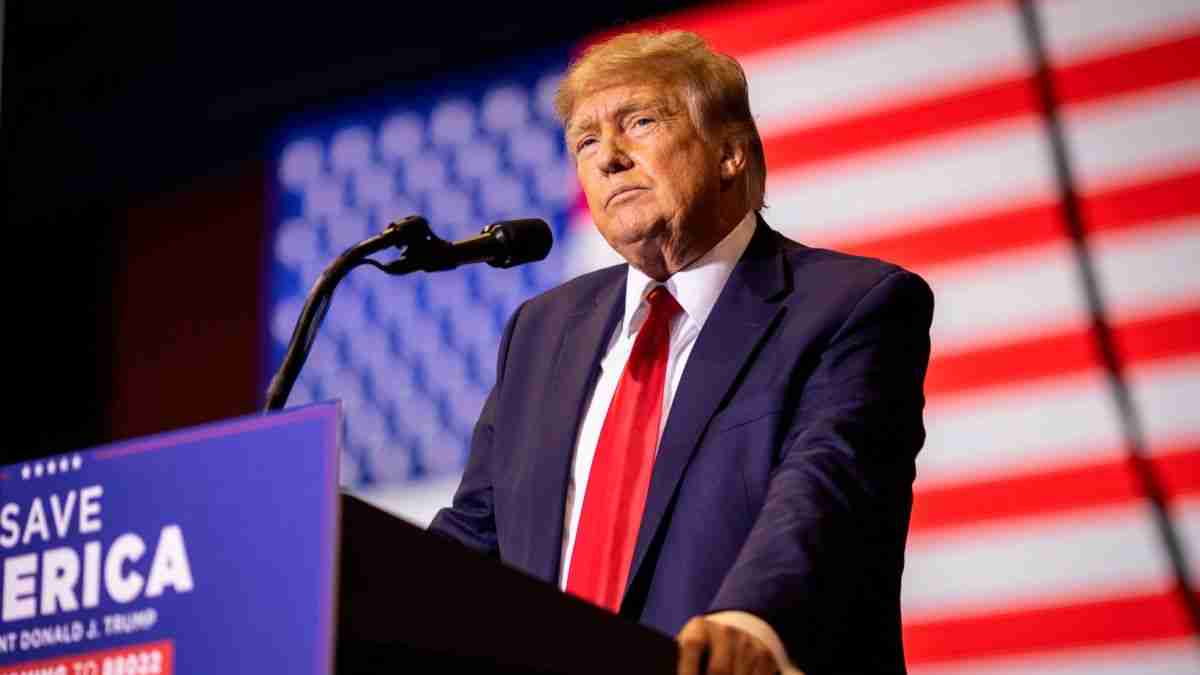
This week, the Republican National Committee released its rules for the upcoming nominating contest and convention. However, an important question remains unanswered: If the presumptive nominee is convicted of a felony, can the party's delegates vote for a different candidate?
This issue arises due to former President Donald Trump facing four criminal indictments that will be ongoing during the GOP primary season. The legal and political calendars overlap in an unprecedented manner in American politics. On March 5, also referred to as Super Tuesday, fifteen states and American Samoa are scheduled to hold their GOP primaries. Coincidentally, this is the day after Trump's first trial is set to commence in Washington on charges related to his alleged attempts to unlawfully overturn the 2020 election.
 Trump currently has a strong hold on the Republican field and is likely to gather a significant amount of support before Super Tuesday, where approximately half of the delegates who determine the party's nominee will have been allocated. The loyalty of top party officials and many voters towards Trump remains intact, even if he were to face conviction in Washington or elsewhere. Furthermore, Trump and his supporters are actively advocating for the dismissal and postponement of trials, collaborating with state parties to establish regulations that are advantageous to him.
Notably, the existing rules of the Republican National Committee do not account for the unique circumstances currently unfolding.
Bound delegates are required to vote for a specific presidential candidate at the convention, based on the primary or caucus results in their state. All state parties must ensure their delegates vote for their assigned candidates in the first round of voting at the national convention, with only a few exceptions. To secure the nomination, a candidate needs to obtain a majority of 1,215 delegates.
During next year's convention in Milwaukee, which begins on July 15, there will be opportunities to make changes to the rules or temporarily suspend them. However, any alterations will require the approval of two-thirds of the delegates through a vote.
According to Benjamin Ginsberg, a Republican election lawyer, the convention operates as a parliamentary body and has the power to shape the rules to its liking, if desired.
While last-minute moves are challenging to coordinate, there is currently little indication that delegates are seeking alternatives, despite the legal issues faced by Trump.
They will all be selected through contests where people vote for Trump, and I doubt that they will change their support even if he wins the primary and faces a court case, said Ginsberg. Despite this, the Trump campaign issued a preemptive warning. If any individual from the Washington, D.C. swamp attempts to interfere with the rules, we will swiftly crush them. We have experienced personnel who know how to handle conventions, said Trump advisor Chris LaCivita, who was responsible for rules and floor operations at the 2016 RNC, a year when some Trump opponents contemplated challenging him at the convention. According to a section in the party's long-standing rules, the RNC has the ability to exempt a state from the rules before the convention if compliance is deemed impossible and if it serves the best interests of the Republican Party.
The Republican National Committee’s executive committee, consisting of 29 members, including RNC chair Ronna McDaniel, would need to take action in order to implement such a waiver. The RNC did not provide any comment regarding the possibility of suspending the rules if the nominee is imprisoned, but instead referred to recent interviews where McDaniel stated that the party would support the nominee chosen by the voters, when asked about Trump being the nominee if convicted of a crime.
Delegates for the Republican party are allocated to candidates based on their performance in state presidential caucuses and primary elections, which begin in January and continue until June. State parties have the authority to release delegates from their obligations if the candidate they are assigned to drops out. However, Trump is unlikely to withdraw from the race as he has made his legal cases the central focus of his campaign and has dismissed the charges as politically motivated.
According to The Associated Press.
Stay Ahead of the News
Before Everyone Else
Major stories break every hour. Join our news community and receive instant alerts, viral headlines, and important updates the moment they happen.