By Shanjid Shane 🕒 Jul 7, 2026
Why Trump Is Again Pushing for US Control of Greenland: The Strategic, Political and Diplomatic Stakes Explained
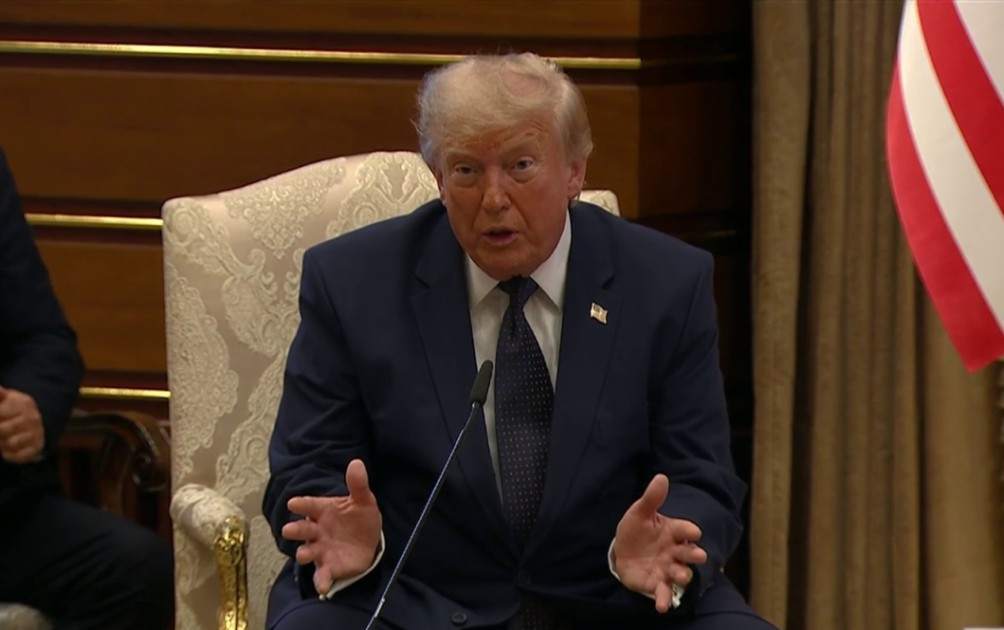
July 7, 2026: President Donald Trump has once again argued that the United States should control Greenland, reviving one of the most controversial foreign policy positions of his presidency. Speaking as NATO leaders gathered for their annual summit in Ankara, Trump said U.S. control of Greenland would make the alliance "more formidable" because of the island's strategic importance in the Arctic.
The remarks are not new, but they come at a sensitive moment. NATO allies are debating defense spending, Arctic security and Europe's future role in collective defense, making Trump's comments particularly significant. While supporters see the proposal as rooted in national security concerns, critics argue it challenges the sovereignty of a NATO ally and risks increasing tensions within the alliance.
Why Is Trump Interested in Greenland?
Trump has argued for years that Greenland is essential to America's long-term national security.
His administration says the Arctic has become a new arena of strategic competition as Russia expands its military infrastructure in the region and China increases its scientific, commercial and diplomatic presence.
Trump has repeatedly said that if the United States does not secure Greenland, rival powers could gain greater influence there. Earlier this year, he described U.S. control of Greenland as "vital" for national security and linked it to his administration's proposed "Golden Dome" missile defense system.
Why Greenland Matters Strategically
Although much of Greenland is covered by ice, it occupies one of the world's most important geographic positions.
The island sits between North America and Europe, giving it enormous military value for monitoring missile launches, naval movements and aircraft crossing the Arctic.
Greenland is also home to Pituffik Space Base—formerly known as Thule Air Base—which has long served as a key U.S. military installation for missile warning, space surveillance and Arctic operations.
As climate change opens new Arctic shipping routes and increases access to natural resources, Greenland's importance has only grown.
Military planners increasingly view the Arctic as one of the defining strategic regions of the coming decades.
The Economic Value of Greenland
Security is only part of the story.
Greenland possesses significant reserves of rare earth minerals, uranium, graphite and other critical resources used in electric vehicles, smartphones, renewable energy technologies and advanced defense systems.
Western governments have become increasingly interested in securing reliable supplies of these materials as they seek to reduce dependence on China, which dominates much of the global rare earth supply chain.
While mining in Greenland remains relatively limited, experts believe the island could become increasingly valuable in the years ahead.
Trump's History With Greenland
Trump first proposed purchasing Greenland during his first presidential term in 2019.
The idea was swiftly rejected by Denmark and Greenland, prompting a diplomatic dispute that led Trump to cancel a planned state visit to Copenhagen.
Since returning to office, Trump has revived the issue several times, arguing that Greenland's strategic importance has only increased.
Earlier this year, he said that anything less than Greenland being "in the hands" of the United States was "unacceptable" from a national security perspective.
Denmark and Greenland Reject the Proposal
Officials in both Denmark and Greenland have consistently dismissed Trump's proposal.
Greenland is an autonomous territory within the Kingdom of Denmark and manages most of its domestic affairs, while Denmark oversees defense and foreign policy.
Greenland's leaders have repeatedly stated that the island is not for sale, emphasizing that only the Greenlandic people have the right to determine their future.
The Danish government has echoed that position, saying sovereignty over Greenland is not open for negotiation.
Could the US Actually Take Control of Greenland?
From a legal and diplomatic standpoint, the prospects appear highly unlikely.
International law recognizes Greenland as part of the Kingdom of Denmark, and any change in sovereignty would require the consent of both Denmark and Greenland.
There is no indication that either government is willing to consider such a move.
Most analysts believe Trump's comments are better understood as part of a broader effort to emphasize Arctic security and encourage greater Western attention to the region, even if his preferred solution remains politically unrealistic.
Why Trump's Comments Matter for NATO
Trump's latest remarks come as NATO is attempting to present a united front against growing security threats.
Because Denmark is a founding NATO member, any suggestion that another alliance member should acquire part of its territory creates an uncomfortable diplomatic challenge.
At the same time, Trump's emphasis on Greenland reflects a broader shift in NATO's strategic thinking.
The alliance has increasingly focused on the Arctic, where Russia has expanded military capabilities and China has sought a larger presence through investment and research initiatives.
For many security experts, Greenland's importance is no longer in question—the debate is over how that strategic value should be managed.
International Reaction
European leaders have continued to reject the idea of transferring Greenland to the United States.
Analysts say Trump's remarks are likely to fuel fresh debate about Arctic security while reinforcing concerns among some allies about maintaining NATO unity.
Others argue that, regardless of the political controversy, Trump's comments have succeeded in drawing renewed global attention to the Arctic's growing strategic significance.
How Greenland Became a Global Geopolitical Prize
For much of the 20th century, Greenland was viewed primarily through the lens of Cold War defense. Today, however, the island has become central to a new era of geopolitical competition.
The Arctic is warming nearly four times faster than the global average, gradually opening sea routes that were once blocked by ice for most of the year. As shipping lanes become more accessible, governments see new opportunities for trade, energy exploration and military operations.
This transformation has elevated Greenland from a remote territory into one of the world's most strategically significant locations.
For Washington, Greenland offers an unmatched position for monitoring activity across the Arctic and North Atlantic. For European allies, it is a key part of NATO's northern defense network. Meanwhile, Russia and China have both expanded their Arctic ambitions, making the region increasingly important in global security planning.
The Rare Earth Race Behind the Headlines
Beyond military strategy, Greenland is attracting attention because of what lies beneath its ice-covered landscape.
Geological surveys suggest the island holds significant deposits of rare earth elements, graphite, zinc, nickel and other minerals that are critical for modern technologies. These resources are used in electric vehicles, wind turbines, advanced semiconductors, smartphones and military equipment.
The growing demand for these materials has intensified global competition, particularly as many Western nations seek to reduce their dependence on China's dominance in rare earth processing.
Although large-scale mining in Greenland remains limited due to environmental concerns, high costs and infrastructure challenges, experts believe the territory could become an increasingly valuable source of critical minerals in the coming decades.
What Greenland's Leaders Are Saying
While international attention often focuses on Washington and Copenhagen, Greenland's own leaders have consistently emphasized that the island's future belongs to its people.
Successive Greenlandic governments have promoted greater economic development while also seeking more autonomy from Denmark. At the same time, they have firmly rejected suggestions that Greenland could be transferred to another country.
Many political leaders on the island argue that discussions about Greenland should prioritize local interests, economic opportunities and environmental protection rather than geopolitical rivalry alone.
What to Watch Next
Trump's latest remarks are unlikely to produce an immediate diplomatic breakthrough, but they could shape future discussions on Arctic policy.
Observers will be watching whether the United States increases investment in Arctic defense infrastructure, expands cooperation with Denmark and Greenland, or introduces new initiatives focused on critical minerals and northern security.
As climate change, global competition and military modernization continue to reshape the Arctic, Greenland is expected to remain one of the most closely watched territories in international affairs.
FAQ
Why does Trump want Greenland?
Trump argues that Greenland is critical for U.S. national security because of its Arctic location, military value and growing geopolitical importance.
Does the United States already have a military presence in Greenland?
Yes. The U.S. operates Pituffik Space Base in northwestern Greenland under agreements with Denmark.
Is Greenland for sale?
No. Greenland's government and Denmark have repeatedly stated that Greenland is not for sale and that its future will be decided only by its people.
Why is Greenland becoming more important?
Melting Arctic ice is opening new shipping routes and access to valuable natural resources, while Russia and China have increased their activities in the region.
Could the United States legally acquire Greenland?
Only if Denmark and Greenland agreed to such a change. Both governments have consistently rejected the idea.
Stay Ahead of the News
Before Everyone Else
Major stories break every hour. Join our news community and receive instant alerts, viral headlines, and important updates the moment they happen.