Bangladesh in Crisis: 6 Dead in Quota Protests, BGB Mobilized for Peace
Jul 16, 2024 / GMT+6
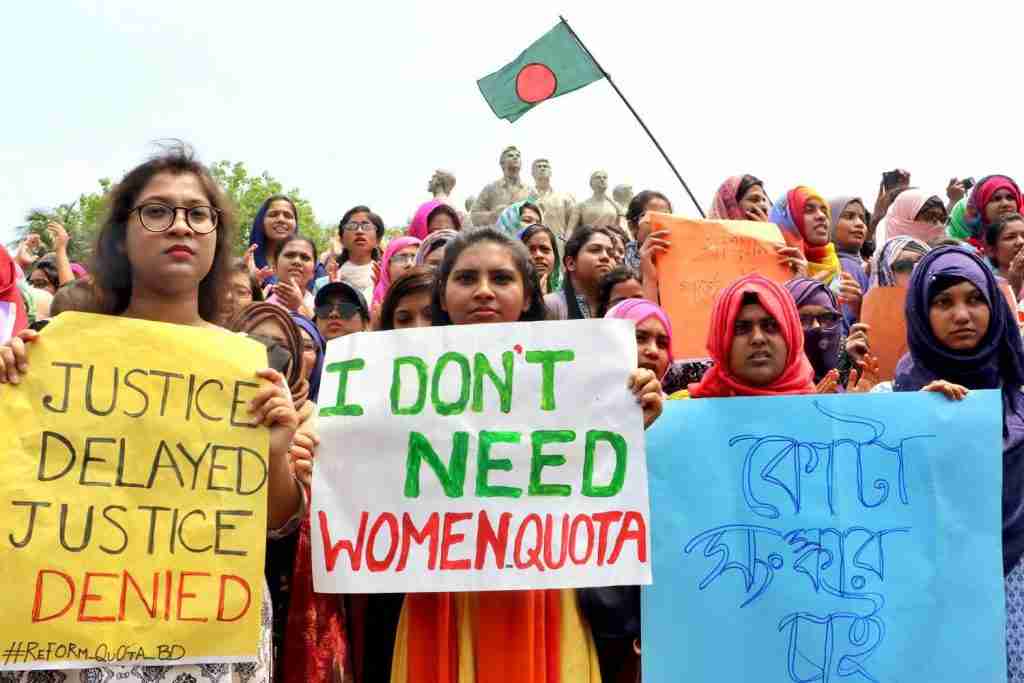
At least 6 people have been reported killed in clashes in different parts of the country centered on the quota reform movement. Among the dead, 2 in Dhaka, 1 in Rangpur and 3 in Chittagong of the country.
BGB has been deployed in Dhaka, Gazipur, Chittagong, Bogra, Rangpur and Rajshahi to control the law and order situation centered on the ongoing quota reform movement.
The protesting students in Bangladesh are demanding a merit-based system for government jobs instead of the current quota system. The protests over government job quotas in Bangladesh have been ongoing for several days. The existing system reserves positions for women, disabled individuals, and ethnic minorities. Recently, Bangladesh’s top court temporarily suspended quotas for coveted government jobs after nationwide protests against what students consider a discriminatory system.
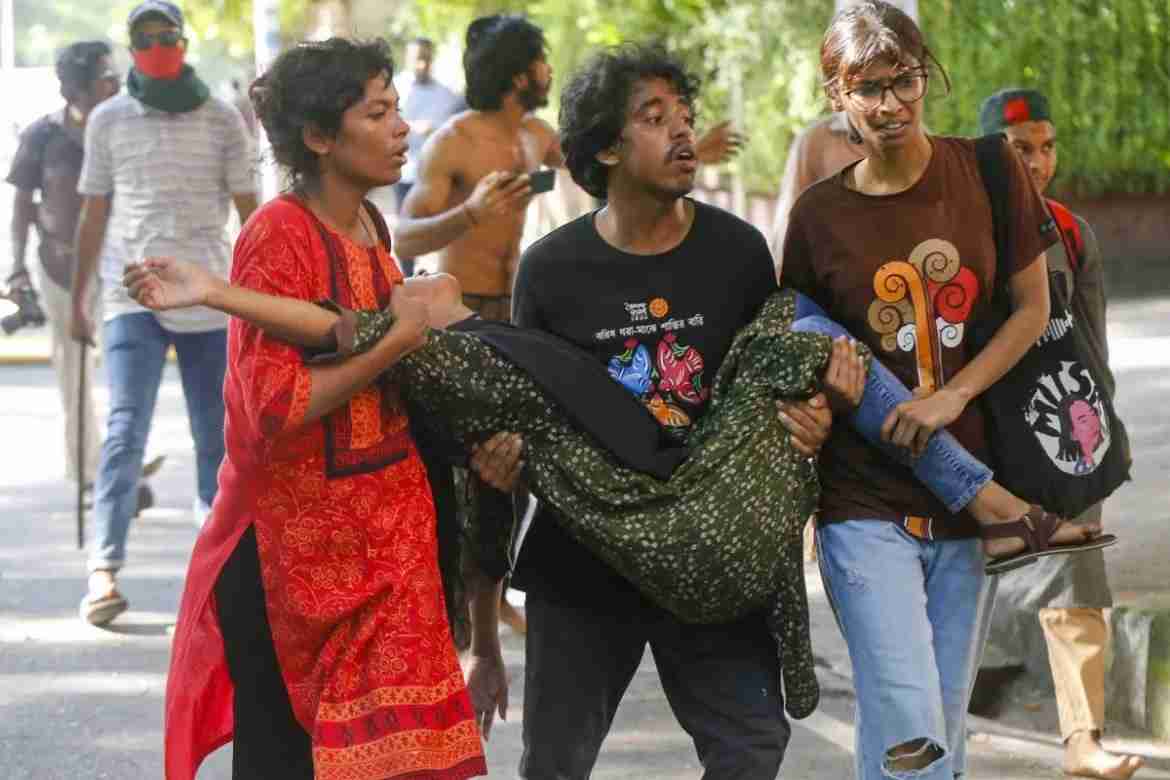
Image: Rehman Asad/AFP
More than 100 people have been injured during protests over government job quotas for special groups in Bangladesh. Students have been demanding a merit-based scheme instead of the current system.
The Bangladesh government has temporarily suspended quotas for coveted government jobs after nationwide protests against what students consider a discriminatory system.
As of now, there haven’t been widespread reports of other countries directly responding to the recent protests in Bangladesh over the government job quota system. However, the situation remains fluid, and international attention may increase if the demonstrations continue or escalate.
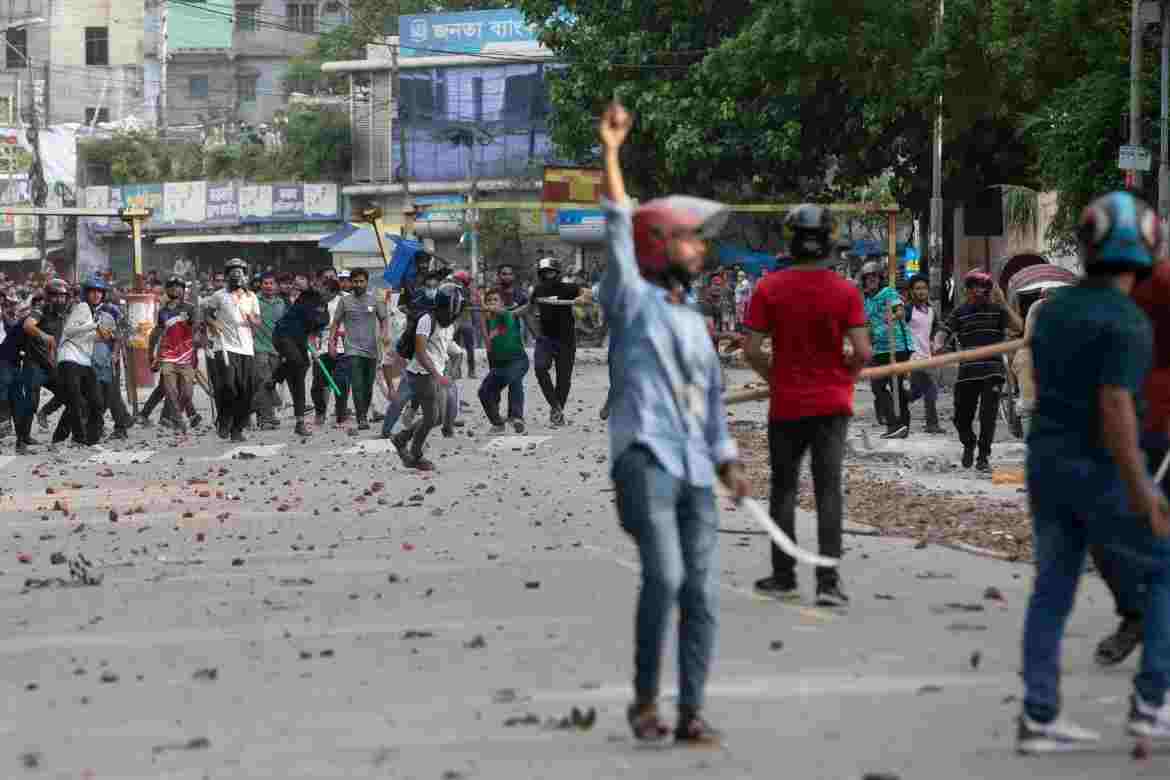 Image: [Abdul Goni/AP Photo]
Addressing the issue of government job quotas in Bangladesh requires thoughtful consideration.
Some of the specific demands of the protesting students are:
Transition to a fully merit-based system for government jobs, where candidates are evaluated solely on their qualifications, skills, and performance. If retaining quotas, consider reforming them to ensure fairness and equal opportunities.
Improve transparency in the recruitment process. Publish clear guidelines, vacancy announcements, and selection criteria to minimize ambiguity and favoritism.
Government job allocations vary across countries, but here are some common approaches:
Merit-Based Systems: Many countries prioritize merit-based recruitment for government jobs. Candidates are evaluated based on qualifications, skills, and performance.
Civil Service Exams: Some nations conduct competitive civil service exams to assess candidates’ abilities. Successful applicants are then assigned to relevant positions.
Transparency and Fairness: Transparency in recruitment processes ensures equal opportunities. Clear guidelines, vacancy announcements, and selection criteria prevent favoritism.
Quotas and Reservations: Some countries reserve specific quotas for marginalized groups (e.g., women, minorities, disabled individuals). These quotas aim to promote diversity and social inclusion.
Skills and Expertise: Governments seek professionals with expertise in various fields, including engineering, economics, security, and science, for both domestic and overseas positions.