By Shanjid Shane 🕒 May 10, 2026
China and US Hold Trade Talks in Seoul Ahead of Trump-Xi Summit in Beijing
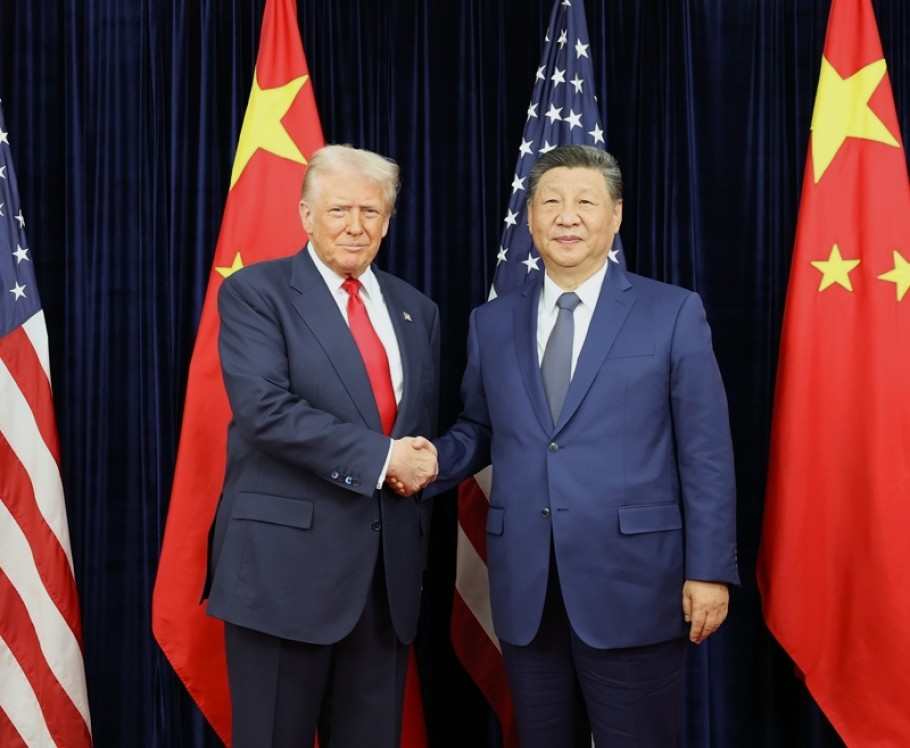
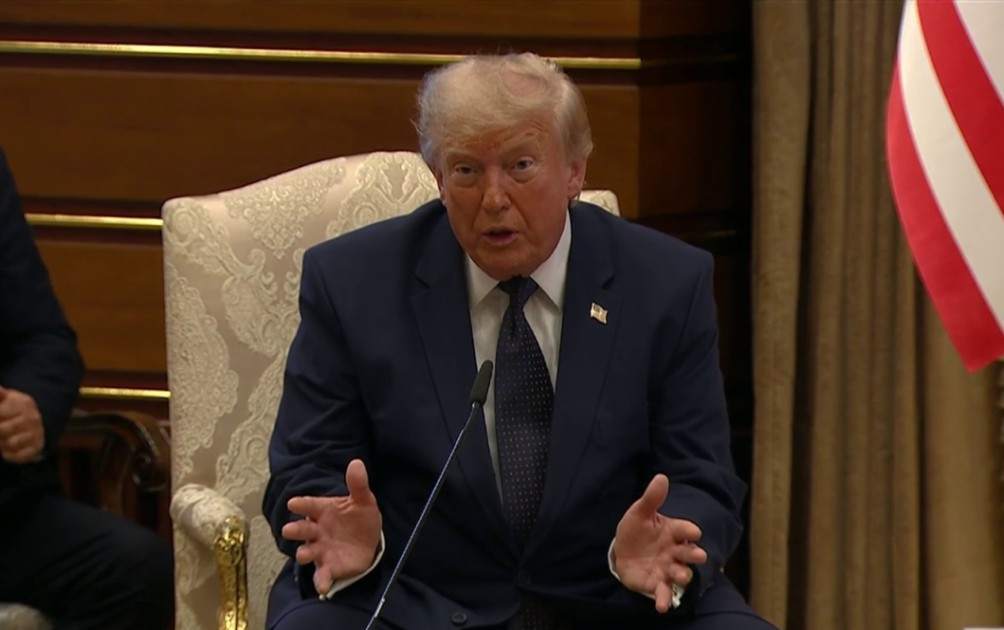
Senior officials from China and the United States are meeting in Seoul this week for important trade talks, just days before US President Donald Trump is due to meet Chinese President Xi Jinping in Beijing.
The discussions are being closely watched around the world because they come at a tense moment in relations between the world’s two largest economies.
Officials from both countries say the talks are aimed at reducing tensions and preparing possible agreements before the leaders meet face-to-face later this week.
Why the talks matter
Although the meetings are officially about trade, the issues go far beyond tariffs and business.
The United States and China are also divided over:
- technology,
- Taiwan,
- artificial intelligence,
- military influence in Asia,
- and access to important raw materials.
The relationship between Washington and Beijing has become increasingly difficult in recent years, with both sides accusing each other of unfair economic and security policies.
The Seoul talks are seen as an attempt to stop those tensions from becoming worse.
Who is attending
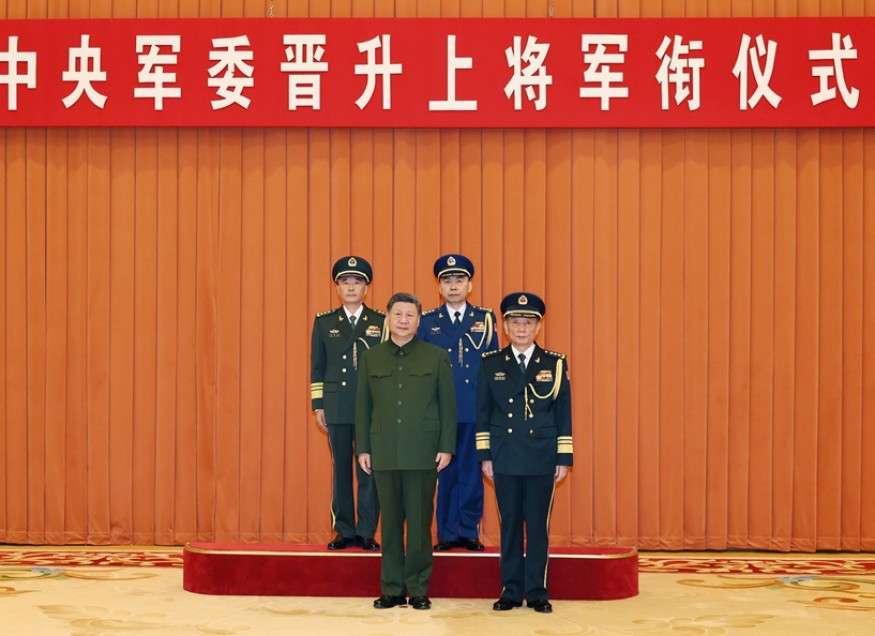
China’s delegation is being led by Vice Premier He Lifeng, a close economic adviser to Xi Jinping.
The American side includes Treasury Secretary Scott Bessent and senior trade officials from the Trump administration.
Diplomats say both sides are trying to settle key disagreements before the Beijing summit begins.
Trade remains the main issue
One of the biggest areas of disagreement is tariffs.
The US wants China to buy more American products and open its markets further to foreign companies.
China, meanwhile, wants the US to ease restrictions on Chinese access to advanced technology, especially computer chips used in artificial intelligence and military systems.
Washington has imposed strict export controls on high-end semiconductors, arguing they could strengthen China’s military capabilities.
Beijing says the measures are unfair and designed to slow China’s economic rise.
Rare earth minerals at the centre
Another major issue is rare earth minerals.
These materials are essential for:
- smartphones,
- electric vehicles,
- computer chips,
- and military equipment.
China controls much of the world’s rare earth processing industry, giving it significant influence over global supply chains.
Both countries are discussing whether to extend an existing agreement that guarantees continued access to some of these materials.
Analysts say rare earths have become one of China’s strongest bargaining tools in negotiations with Washington.
Taiwan remains sensitive
Taiwan is expected to be one of the most difficult topics during the summit.
China considers Taiwan part of its territory and strongly opposes US political and military support for the island.
The United States says it wants to maintain peace and stability in the region, while continuing to support Taiwan’s self-defence.
Many experts believe Taiwan remains the issue most likely to trigger a serious crisis between the two powers.
Iran and global tensions
The conflict involving Iran has also become part of the discussions.
The United States wants China to use its influence with Tehran to help reduce tensions in the Middle East and protect global oil shipping routes.
China has close economic ties with Iran and remains one of the largest buyers of Iranian oil.
That has given Beijing additional diplomatic importance ahead of the summit.
Expectations are limited
Despite the high-profile meetings, analysts do not expect a major breakthrough.
Instead, the main goal appears to be stability.
Both governments are trying to avoid:
- a new trade war,
- financial market disruption,
- and further damage to already fragile relations.
Possible outcomes include:
- extending existing tariff pauses,
- increasing Chinese purchases of US goods,
- and reopening military communication channels.
However, deep disagreements over technology, security and global influence are unlikely to disappear.
A relationship shaped by rivalry
For decades, the US and China built close economic ties through trade and manufacturing.
Today, the relationship is increasingly defined by competition.
The two countries are now competing for influence in:
- technology,
- military power,
- artificial intelligence,
- and global diplomacy.
That means even trade talks now carry wider global importance.
The meetings in Seoul and the summit in Beijing are likely to shape not only US-China relations, but also the future direction of the global economy and international politics.
Stay Ahead of the News
Before Everyone Else
Major stories break every hour. Join our news community and receive instant alerts, viral headlines, and important updates the moment they happen.