By Shanjid Shane 🕒 Jun 9, 2026
China Fires Back After US Adds Alibaba, BYD and Other Firms to Military-Linked List
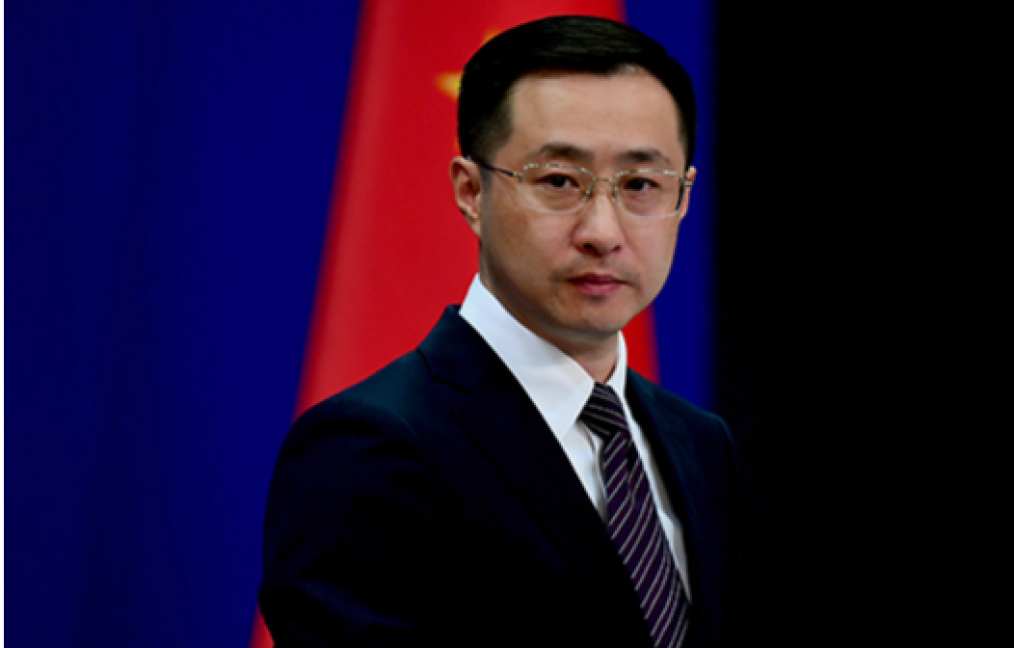
China has urged the United States to "correct its mistakes" after Washington added several major Chinese companies, including Alibaba and BYD, to a list of entities that the US government says have links to China's military.
The move has drawn a sharp response from Beijing, which described the designation as unfair and harmful to normal business cooperation between the world's two largest economies.
At a regular press briefing on June 9, Chinese Foreign Ministry spokesperson Lin Jian responded to reports that the United States had added several Chinese companies, including Alibaba and BYD, to a so-called "military-linked" company list.
Asked about China's reaction, Lin said Beijing firmly opposes what it views as the US expanding the concept of national security to justify actions against Chinese businesses. He criticized Washington for creating what he described as discriminatory lists and for placing unreasonable pressure on Chinese companies.
"We urge the US to correct its mistakes and stop its unreasonable suppression of Chinese companies," Lin said. "China will take necessary measures to firmly safeguard the legitimate rights and interests of Chinese companies."
Why the US Added Alibaba and BYD to the Military-Linked List
The list, maintained by the US Department of Defense, identifies companies that Washington believes are connected to China's military-industrial system.
Officials say the designation is intended to highlight firms that may support China's military modernization efforts, either directly or indirectly.
Among the companies reportedly added were technology giant Alibaba, electric vehicle manufacturer BYD, and several other Chinese firms operating in sectors considered strategically important.
While inclusion on the list does not automatically trigger sanctions, it can increase scrutiny from investors, regulators, and policymakers. It may also discourage certain forms of business engagement with US entities.
What the Designation Means
Being placed on the military-linked list does not immediately prohibit a company from conducting business in the United States.
However, the designation can carry significant reputational and financial consequences.
Investors often view such listings as a warning sign, particularly as Washington continues to tighten restrictions on technology transfers, investments, and supply chains involving China.
Analysts say companies added to the list could face increased pressure from shareholders and international partners concerned about regulatory risks.
China's Response
Beijing strongly rejected the allegations, arguing that the companies involved are commercial enterprises operating according to market principles.
Chinese officials accused the United States of politicizing trade and technology issues and attempting to limit China's economic development.
The government also warned that repeated actions against Chinese firms could further damage already strained relations between Beijing and Washington.
China has frequently criticized US restrictions targeting its technology, telecommunications, semiconductor, and manufacturing sectors, saying such measures undermine global economic stability.
Companies Push Back
Several Chinese companies have previously denied allegations of military ties when faced with similar US actions.
Corporate representatives often argue that the designations are based on incomplete information and fail to recognize the independence of publicly traded businesses.
Market observers expect affected companies to challenge the listings through legal channels or diplomatic discussions where possible.
Growing US-China Economic Rivalry
The latest dispute comes amid broader competition between the United States and China across technology, trade, artificial intelligence, semiconductors, clean energy, and national security.
In recent years, Washington has expanded efforts to limit China's access to advanced technologies, citing concerns over security and strategic competition.
At the same time, Beijing has accused the United States of using security concerns to justify economic restrictions and gain a competitive advantage.
The disagreement reflects a larger shift in relations between the two powers, where economic issues are increasingly intertwined with geopolitical considerations.
Impact on Global Markets
Investors are closely watching developments because companies such as Alibaba and BYD play major roles in global technology and manufacturing supply chains.
Alibaba is one of China's largest technology and e-commerce companies, while BYD has become one of the world's leading electric vehicle manufacturers.
Any prolonged dispute involving major Chinese corporations could affect investor sentiment, cross-border investment flows, and international business partnerships.
Financial markets have previously reacted sharply to regulatory actions involving large Chinese companies, particularly when tensions between Beijing and Washington escalate.
What's Next?
The future impact of the designation remains uncertain.
Legal challenges, diplomatic negotiations, and policy reviews could influence whether the companies remain on the list or whether additional restrictions follow.
Analysts expect both governments to continue balancing economic interests with national security concerns, a dynamic that has become a defining feature of modern US-China relations.
For now, Beijing is pressing Washington to reverse the decision, while US officials maintain that protecting national security remains a priority.
Frequently Asked Questions (FAQ)
Why did the US add Alibaba and BYD to the military-linked list?
The US government says the companies have connections to China's military-industrial ecosystem. China and the companies involved dispute those claims.
Does the listing mean sanctions have been imposed?
Not necessarily. Inclusion on the list does not automatically trigger sanctions, but it can lead to increased scrutiny and potential restrictions.
What is Alibaba?
Alibaba is one of China's largest technology companies, known for its e-commerce platforms, cloud computing services, and digital business ecosystem.
What is BYD?
BYD is a leading Chinese electric vehicle and battery manufacturer and one of the world's largest producers of electric cars.
How has China responded?
China has criticized the move and called on the United States to reverse the decision, arguing that it unfairly targets Chinese businesses.
Could the dispute affect global markets?
Yes. Because Alibaba, BYD, and other major firms are deeply integrated into global supply chains, investors are monitoring the situation closely.
Stay Ahead of the News
Before Everyone Else
Major stories break every hour. Join our news community and receive instant alerts, viral headlines, and important updates the moment they happen.