China reports record $1.2 trillion trade surplus for 2025, defying Trump's tariffs
It highlights China’s resilience, it also sets the stage for sharper global trade disputes in 2026.
2 hours ago
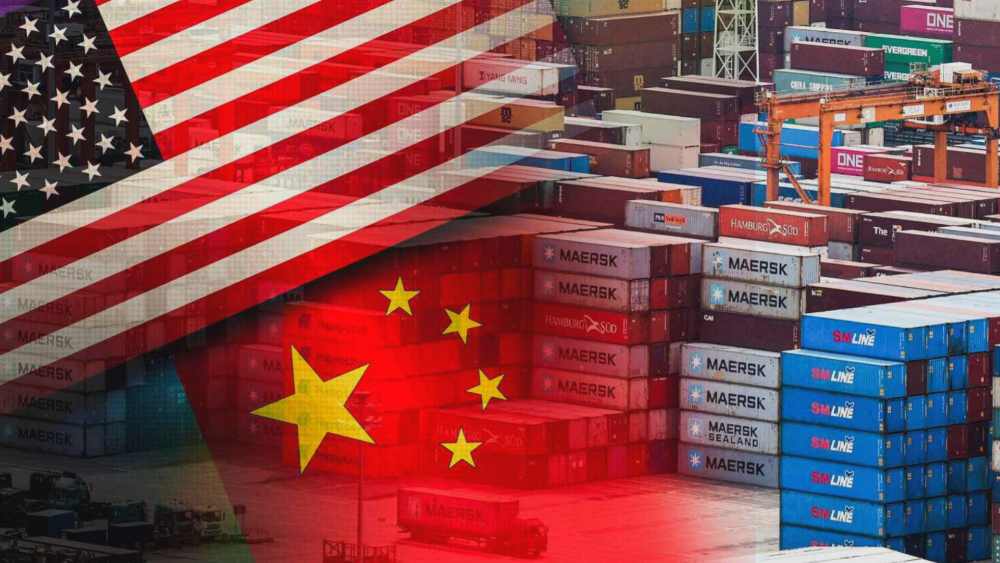
China’s $1.2 trillion trade surplus in 2025 is a historic milestone, achieved by pivoting away from the U.S. and deepening ties with emerging markets.
China’s trade surplus in 2025 hit a record $1.2 trillion, despite heavy tariffs imposed by President Donald Trump.** Exports grew strongly outside the U.S., while imports stagnated, allowing Beijing to post its largest surplus ever.
📊 Key Figures
Trade Surplus (2025): ~$1.2 trillion (up from $992 billion in 2024)
Exports: $3.7–3.77 trillion, up 5.5% year-on-year.
Imports: $2.58 trillion, essentially flat compared to 2024.
-December 2025: Exports rose 6.6% year-on-year, beating forecasts; imports rose 5.7%.
Trade Volume: Surpassed 45 trillion yuan ($6.4 trillion) for the first time.
🌍 How China Defied Tariffs
Diversification of Markets: Chinese firms shifted focus from the U.S. to Southeast Asia, Africa, and Latin America, offsetting losses from Trump’s tariffs.
Automotive & Manufacturing Expansion: Chinese automakers and tech manufacturers aggressively expanded into new global markets.
Policy Push: Beijing encouraged exporters to rely on foreign demand as domestic consumption remained sluggish due to a property slump and weak household spending.
⚖️ Impact of Trump’s Tariffs
U.S.-China Trade Decline: Exports to the U.S. fell 20% year-on-year, while imports from the U.S. dropped 14.6%.
Global Cushion: Other regions more than compensated, keeping overall exports positive.
Geopolitical Tensions: The tariffs intensified trade and technology frictions, but China’s competitive manufacturing base allowed it to weather the shock.
📉 Risks & Challenges Ahead
Global Backlash: Many countries are increasingly uneasy about dependence on Chinese goods, raising the risk of new trade restrictions.
Domestic Weakness: China’s property sector slump and weak consumer demand remain unresolved, meaning the economy leans heavily on exports.
Excess Capacity: Analysts warn that China’s surplus reflects overproduction and weak domestic absorption, which could trigger disputes abroad.
🧭 What This Means Going Forward
For China: Exports will likely remain a key growth driver in 2026, but Beijing faces mounting pressure to rebalance toward domestic demand.
For the U.S.: Trump’s tariffs have reduced direct imports but failed to dent China’s global trade dominance.
For Global Markets: Expect heightened trade tensions, as China’s record surplus may fuel accusations of unfair trade practices.