By Shanjid Shane 🕒 May 22, 2026
China Warns Against US Missile Deployment in Asia as Regional Tensions Rise
China has strongly opposed US deployment of midrange missile systems in Asia, warning the move could increase regional tensions and spark an arms race.
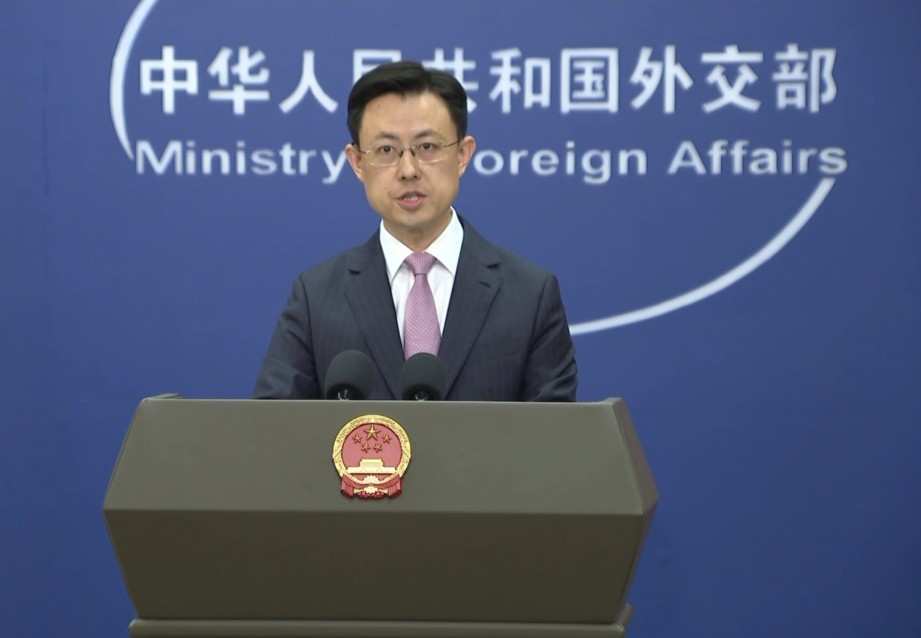
China firmly opposes the deployment of midrange missile systems by the United States in Asian countries, a Chinese Foreign Ministry spokesperson said on Friday, urging the United States and Japan to “rectify their wrongdoings” amid rising tensions over regional security.
The statement came after reports that Washington may deploy the US Army’s Typhon missile system to Japan during upcoming joint military exercises later this year. Chinese officials warned that such a move could destabilize the Indo-Pacific region and increase the risk of military confrontation.
Speaking during a regular press briefing in Beijing, Foreign Ministry spokesperson Guo Jiakun accused the United States of escalating strategic pressure in Asia.
“China firmly opposes the deployment of midrange missile systems by the United States in Asian countries,” Guo said. “The United States and Japan should immediately stop provoking military confrontation and avoid undermining regional peace and stability.”
The remarks highlight growing friction between Beijing and Washington as both powers expand military activity across the Indo-Pacific.
Why the US Missile Deployment Matters
The Typhon missile system is capable of launching long-range Tomahawk cruise missiles and SM-6 missiles, giving the United States the ability to strike targets from significant distances.
Military analysts say the system would strengthen America’s deterrence capabilities in the region, especially in a potential conflict involving Taiwan or disputed maritime areas in the South China Sea.
China, however, sees the deployment differently.
Beijing argues that placing advanced missile systems in nearby countries increases the risk of military escalation and undermines regional stability.
“Asia does not need another arms race,” a Chinese defense analyst quoted by state media said. “These deployments increase mistrust and strategic pressure.”
The Growing Strategic Rivalry Between China and the US
The disagreement reflects a much broader power struggle between Washington and Beijing.
Over the past decade, China has significantly expanded its missile arsenal, including hypersonic weapons and anti-ship missile systems designed to challenge US military dominance in the Pacific.
At the same time, the United States has strengthened defense cooperation with allies such as Japan, South Korea, the Philippines, and Australia.
Following the collapse of the Intermediate-Range Nuclear Forces (INF) Treaty in 2019, the US gained the ability to develop and deploy land-based missiles previously banned under the Cold War-era agreement.
American officials argue the move is necessary because China was never part of the treaty and already possesses hundreds of similar missile systems.
Japan’s Expanding Security Role Raises Concern in Beijing
Japan’s involvement has added another layer of sensitivity to the issue.
Tokyo has gradually increased defense spending and adopted a more assertive security posture amid growing concerns about China’s military activity near Taiwan and in the East China Sea.
China has repeatedly criticized Japan’s military modernization, often linking it to historical tensions dating back to World War II.
Chinese state media warned that allowing US missile systems on Japanese territory could make Japan a frontline participant in future regional conflicts.
Japanese officials, however, maintain that stronger cooperation with the United States is essential for national security.
Taiwan Remains Central to Regional Tensions
Many security experts believe the missile debate is closely tied to fears of a future crisis over Taiwan.
China considers Taiwan part of its territory and has not ruled out using force to achieve reunification. The United States, while officially recognizing Beijing under the “One China” policy, remains Taiwan’s most important security partner.
If conflict were to erupt, land-based missile systems positioned in Japan or the Philippines could play a major role in supporting US military operations.
That possibility has heightened Beijing’s concerns about encirclement and strategic containment.
Could Asia Face a New Arms Race?
Analysts warn the standoff could trigger a wider regional military buildup.
China may accelerate development of new missile systems and expand its nuclear deterrence capabilities. Meanwhile, US allies in Asia could seek additional defense partnerships and long-range strike weapons.
Some experts compare the situation to Cold War tensions in Europe during the 1980s, when US and Soviet missile deployments triggered massive political and military confrontations.
“There is growing concern that Asia could become the center of a new missile competition,” said one regional security researcher.
Despite the sharp rhetoric, both Washington and Beijing have continued diplomatic and military communication channels in an effort to prevent direct confrontation.
Background: What Is the Typhon Missile System?
The Typhon system is a mobile missile launcher developed by the US Army as part of its long-range precision strike strategy.
It can launch:
- Tomahawk cruise missiles
- SM-6 multi-role missiles
The system is designed to provide rapid strike capability against land and maritime targets.
Defense experts say its mobility makes it harder to detect and destroy during conflict, increasing its strategic value in the Indo-Pacific region.
FAQ
Why is China opposing US missile deployment in Asia?
China says the deployment threatens regional stability, increases military tensions, and could spark an arms race in Asia.
What is the Typhon missile system?
The Typhon system is a US mobile missile launcher capable of firing Tomahawk and SM-6 missiles for long-range strike operations.
Why is Japan involved in the issue?
The US is reportedly considering deploying the missile system in Japan during joint military exercises, deepening security cooperation between the two allies.
How is Taiwan connected to this dispute?
Many analysts believe the deployments are linked to preparations for a possible Taiwan crisis, where US regional military capabilities would be critical.
Could this lead to a larger conflict?
While tensions are increasing, both China and the US continue diplomatic engagement. However, experts warn the growing military buildup raises the risk of future confrontation.
Stay Ahead of the News
Before Everyone Else
Major stories break every hour. Join our news community and receive instant alerts, viral headlines, and important updates the moment they happen.