By Shanjid Shane 🕒 May 19, 2026
Iran Warns It Will “Open New Fronts” if US Attacks Resume as Middle East Tensions Escalate
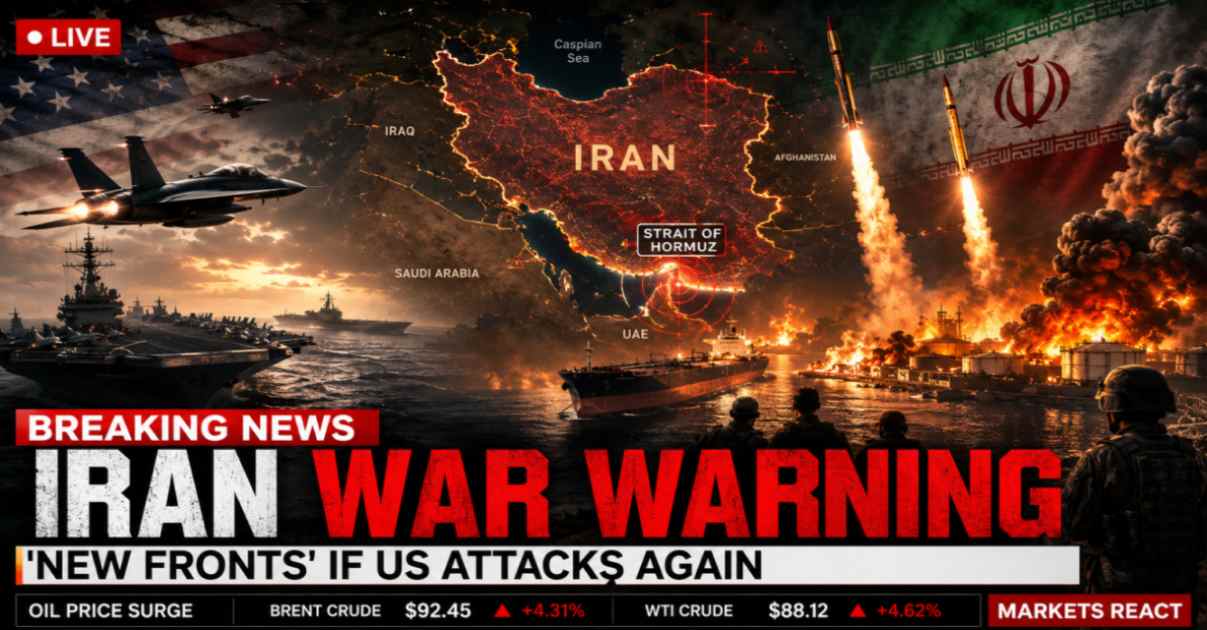
Iran warns it will “open new fronts” if US attacks resume, raising fears of wider Middle East conflict, oil disruption, and regional escalation.
Iran Issues Stark Warning Over Possible US Military Action
Iran has warned that it will “open new fronts” if the United States resumes military attacks against the country, signaling a potentially dangerous new phase in the ongoing Middle East crisis.
The warning came from Iranian military spokesperson Mohammad Akraminia, who said Tehran would respond with “new methods” and expanded military action if Washington launched further strikes.
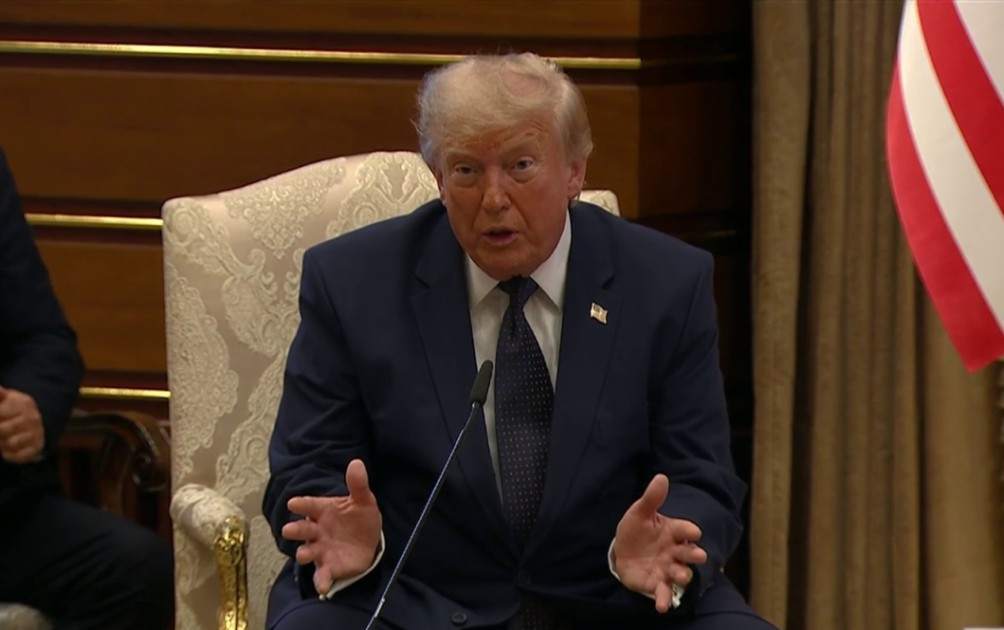
The statement followed comments by US President Donald Trump, who confirmed that a planned American offensive had been paused to allow diplomatic talks to continue.
Iran’s latest message has intensified international concern over the possibility of a broader regional conflict that could affect global energy markets, commercial shipping routes, and security across the Gulf.
What Iran Means by “Open New Fronts”
Although Iranian officials did not clearly define the phrase, analysts believe the warning refers to expanding the conflict beyond direct US-Iran confrontation.
Possible Areas of Escalation
Security experts say Iran could increase pressure in several strategic regions, including:
- The Strait of Hormuz
- Iraq and Syria
- Lebanon
- The Red Sea
- Gulf energy infrastructure
- Cyber warfare operations
Iran has long relied on a network of allied armed groups across the Middle East, allowing it to project influence beyond its borders without relying solely on conventional military operations.
“This language is meant as a deterrent,” said a regional security analyst based in Doha. “Iran wants Washington to understand that any future attack could trigger instability across multiple theaters at once.”
Strait of Hormuz Remains a Global Flashpoint
One of the biggest concerns for international markets is the Strait of Hormuz, one of the world’s most critical oil shipping routes.
A significant portion of global oil exports passes through the narrow waterway each day. Any disruption could quickly affect fuel prices, shipping insurance costs, and international trade.
Since the beginning of the crisis, Iran has already imposed restrictions and increased military activity near the route. Shipping companies and Gulf states have expressed growing concern about the risk of further escalation.
Energy analysts warn that even limited conflict in the area could send oil prices sharply higher.
Gulf States Push for De-Escalation
Several Gulf nations, including Saudi Arabia, Qatar, and the United Arab Emirates, are reportedly urging both Washington and Tehran to avoid further military confrontation.
Regional governments fear that a prolonged conflict could damage oil infrastructure, disrupt trade, and destabilize already fragile economies.
Diplomatic sources say Gulf leaders played a role in encouraging the US administration to delay additional strikes while negotiations continue.
The region remains on high alert, with military forces and air defense systems reportedly strengthened in several Gulf countries.
Trump Says Military Action Was Delayed
President Donald Trump said the United States postponed a planned military operation to give diplomacy another opportunity.
Speaking to reporters, Trump suggested there was still “a chance for an agreement,” although officials have provided few details about ongoing negotiations.
The White House has not confirmed whether future military action remains under consideration.
US officials continue to accuse Iran of threatening regional security and disrupting international shipping lanes, while Tehran insists it is acting in self-defense.
Iran’s Strategy Focuses on Asymmetric Warfare
Military experts say Iran understands it cannot match the United States in conventional military power.
Instead, Tehran has spent years developing what analysts call an “asymmetric strategy,” relying on:
- Drones and missiles
- Regional proxy groups
- Naval disruption tactics
- Cyber capabilities
- Economic pressure points
This approach allows Iran to create regional instability without engaging in direct large-scale warfare.
The strategy has become a central feature of Iran’s military doctrine over the past two decades.
Global Markets Watching Closely
The crisis is now affecting more than military planning.
Oil traders, shipping companies, and international investors are closely monitoring developments, fearing further disruption to energy supplies and trade routes.
Insurance costs for vessels operating near the Gulf have reportedly increased in recent weeks, while several shipping firms have altered routes as a precaution.
Economic analysts warn that prolonged instability in the region could have global consequences, particularly for energy-importing nations.
Could the Conflict Expand Further?
Despite increasingly aggressive rhetoric, analysts say neither Washington nor Tehran appears eager for a full-scale regional war.
The United States is seeking to maintain pressure on Iran while avoiding another prolonged military conflict in the Middle East.
Iran, meanwhile, appears focused on deterrence and regime survival while attempting to preserve its regional influence.
Still, experts caution that miscalculations, accidental clashes, or attacks by allied groups could rapidly escalate tensions.
“The danger right now is not necessarily intentional war,” one Western diplomat said. “It’s the possibility that events spiral beyond anyone’s control.”
FAQ
Why did Iran warn it would “open new fronts”?
Iran issued the warning after the US discussed possible renewed military strikes. Tehran says it would expand its response if attacked again.
What does “open new fronts” mean?
The phrase likely refers to widening the conflict into additional regions or using allied groups, cyber attacks, or maritime operations.
Why is the Strait of Hormuz important?
The Strait of Hormuz is one of the world’s most important oil shipping routes. Disruption there can impact global energy prices.
Has the US resumed attacks on Iran?
No. President Donald Trump said planned strikes were postponed to allow diplomatic talks to continue.
Could this lead to a wider Middle East war?
Analysts say the risk of escalation remains high, especially if military operations resume or regional groups become involved.
Stay Ahead of the News
Before Everyone Else
Major stories break every hour. Join our news community and receive instant alerts, viral headlines, and important updates the moment they happen.