By Shanjid Shane 🕒 Jun 5, 2026
Lebanon PM Tells Iran to Stop Treating Country as ‘Bargaining Chip’ Amid Rising Regional Tensions
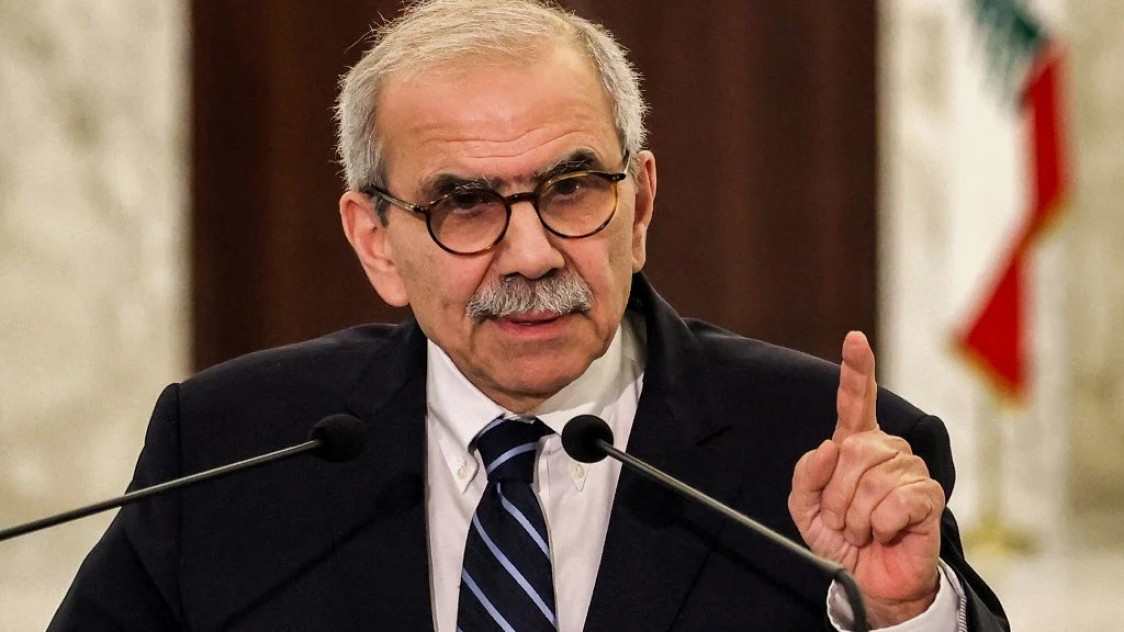
Lebanon PM Nawaf Salam urges Iran to stop using Lebanon as a bargaining chip in regional negotiations, highlighting concerns over sovereignty and security.
Lebanese Prime Minister Nawaf Salam has delivered a strong message to Iran, urging Tehran to stop treating Lebanon as a "bargaining chip" in its broader regional and international negotiations.
The comments, made during a United Nations aid conference on Thursday, reflect growing frustration within Lebanon's leadership over what officials describe as foreign interference in the country's affairs. Salam's remarks come at a sensitive moment as tensions continue across the Middle East and diplomatic efforts involving Iran, the United States, Israel, and regional actors remain underway.
"We ask Iran to have mercy on our south and stop treating it and its people as merely a bargaining chip," Salam said during his address.
The statement marks one of the clearest public criticisms of Iran from Lebanon's top political leadership in recent months.
Lebanon PM Tells Iran to Stop Treating Country as ‘Bargaining Chip’
Salam's remarks were directed at Iran's perceived role in linking developments in Lebanon to wider regional negotiations, particularly those involving Washington.
According to Lebanese officials, the country's security and stability should not be tied to broader geopolitical disputes involving Iran's nuclear program, sanctions negotiations, or regional power struggles.
The prime minister argued that Lebanon's people, especially those living in the south, have suffered enough from conflict and instability. He called for decisions affecting Lebanon's future to be made based on the country's interests rather than external strategic calculations.
The comments come as southern Lebanon continues to experience the consequences of cross-border tensions and military activity that have displaced thousands of residents and damaged infrastructure.
A Growing Demand for Lebanese Sovereignty
Salam's message echoes recent statements by Lebanese President Joseph Aoun, who has also called for greater respect for Lebanon's sovereignty.
In a recent interview, Aoun stressed that Lebanon should not be used as leverage in negotiations between larger regional powers. He emphasized that decisions regarding war and peace should belong to the Lebanese state.
Together, the statements suggest a coordinated effort by Lebanon's leadership to reassert state authority and reduce the country's vulnerability to regional rivalries.
Political analysts say the remarks reflect a broader shift in Beirut's approach as leaders seek to strengthen national institutions and restore public confidence after years of economic crisis and political instability.
Hezbollah Remains at the Center of the Debate
The issue is closely connected to Hezbollah, the powerful Lebanese political and military movement backed by Iran.
For decades, Tehran has provided Hezbollah with financial, military, and political support. Iran views the group as a key ally and an important part of its regional security strategy.
Critics within Lebanon, however, argue that Hezbollah's military capabilities and regional role have often drawn the country into conflicts that many Lebanese citizens did not choose.
Supporters of the group maintain that Hezbollah remains essential for defending Lebanon against external threats, particularly from Israel.
The debate over Hezbollah's future continues to be one of the most sensitive and divisive issues in Lebanese politics.
Regional Negotiations Add Complexity
Salam's comments also come as indirect discussions between Iran and the United States continue on several key issues, including regional security, sanctions, and conflict management.
Some Iranian officials have indicated that developments in Lebanon cannot be separated from wider regional negotiations. Lebanese leaders, however, increasingly appear to reject that position.
By publicly challenging Tehran's approach, Salam is signaling that Lebanon wants its domestic affairs treated independently from larger geopolitical bargaining.
Experts say the dispute highlights the broader struggle between national sovereignty and regional influence that has shaped Middle Eastern politics for decades.
Why the Statement Matters
The significance of Salam's comments extends beyond a diplomatic disagreement.
Lebanon remains trapped in one of the worst economic crises in its history. At the same time, security concerns, political divisions, and regional tensions continue to place pressure on the country's institutions.
Many Lebanese citizens worry that ongoing regional conflicts could further destabilize the country and undermine efforts to rebuild the economy.
By calling on Iran to stop treating Lebanon as a bargaining chip, Salam is voicing concerns shared by many who believe the country should not bear the costs of disputes between larger powers.
Whether the statement leads to changes in regional dynamics remains uncertain, but it clearly signals a more assertive stance from Beirut.
Frequently Asked Questions (FAQ)
Who is Nawaf Salam?
Nawaf Salam is the Prime Minister of Lebanon. He previously served as a diplomat and judge at the International Court of Justice before entering Lebanese politics.
Why did Salam criticize Iran?
Salam criticized Iran for allegedly using Lebanon's situation as leverage in broader regional and international negotiations. He argued that Lebanon should not be treated as a bargaining tool by foreign powers.
What role does Hezbollah play in this issue?
Hezbollah is a powerful Lebanese political and military organization supported by Iran. Its relationship with Tehran is central to debates about Lebanon's sovereignty and regional security.
How has Iran responded?
At the time of reporting, Iranian officials have continued to defend their regional policies, arguing that security challenges across the Middle East are interconnected.
Why is this important for Lebanon?
The issue affects Lebanon's sovereignty, security, economic recovery, and ability to make independent political decisions without external influence.
Stay Ahead of the News
Before Everyone Else
Major stories break every hour. Join our news community and receive instant alerts, viral headlines, and important updates the moment they happen.