By Shanjid Shane 🕒 Jul 1, 2026
Sudan Cholera Outbreak Kills 120, WHO Warns as New Wave Raises Fears of Worsening Humanitarian Crisis
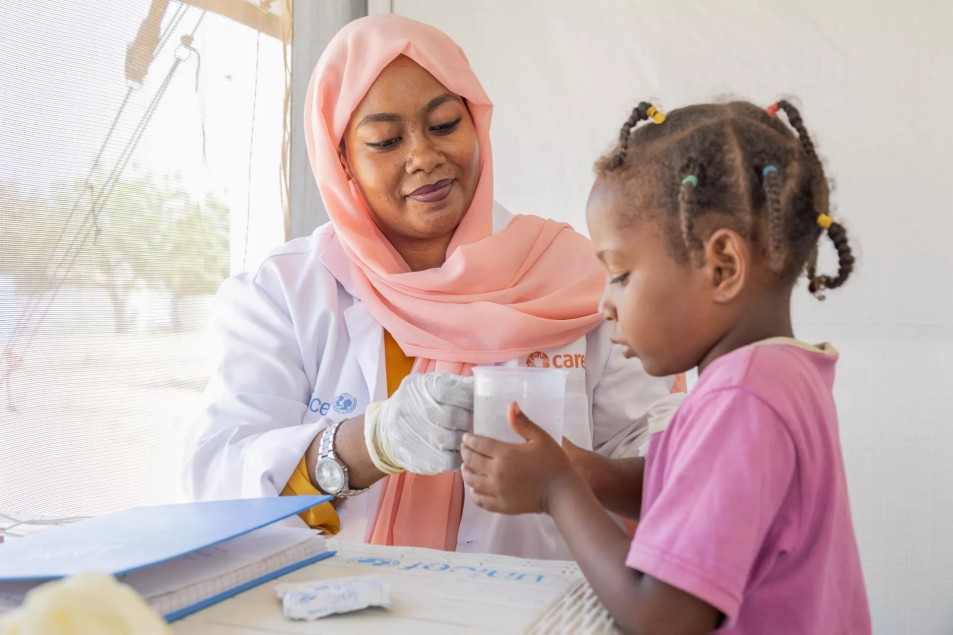
July 1, 2026 — The World Health Organization (WHO) has warned that a new Sudan cholera outbreak has killed at least 120 people and infected more than 1,100 others, only a few months after the country declared its previous nationwide epidemic over.
The latest outbreak is concentrated in West Kordofan, a region heavily affected by Sudan's ongoing civil conflict. Health officials say the combination of damaged infrastructure, limited access to clean water, and continued fighting is creating ideal conditions for the disease to spread.
The renewed outbreak adds another challenge to a country already struggling with one of the world's largest humanitarian emergencies.
Why the Sudan Cholera Outbreak Is Spreading Again
According to the WHO, the outbreak began in late May and has spread rapidly through communities where access to healthcare and safe drinking water remains severely limited.
Cholera is an acute diarrheal disease caused by the bacterium Vibrio cholerae. It spreads primarily through contaminated food and water and can become fatal within hours if severe dehydration is not treated quickly.
Health experts say the current situation in Sudan reflects more than a disease outbreak. It is closely linked to years of conflict that have weakened essential public services.
Hospitals have been damaged or forced to close, while shortages of medical supplies and healthcare workers continue to limit emergency treatment across affected regions.
Conflict and Collapsing Infrastructure Fuel the Crisis
Sudan has been engulfed in armed conflict since April 2023, forcing millions of people to flee their homes and placing enormous pressure on already fragile public services.
Entire communities now rely on unsafe water sources after damage to water treatment facilities and sanitation systems. In many displacement camps, overcrowding and poor hygiene have increased the risk of infectious diseases spreading quickly.
The WHO has warned that insecurity is also preventing humanitarian teams from reaching some of the hardest-hit communities.
"The ongoing conflict continues to undermine disease control efforts and restrict access to essential healthcare services," WHO officials said while updating the situation.
West Kordofan Emerges as the Epicentre
West Kordofan has become the centre of the latest outbreak due to its limited healthcare capacity and difficult security conditions.
Medical facilities in the region are operating with severe shortages of medicines, equipment, and trained staff. Aid organizations face significant challenges transporting supplies because of active fighting and damaged roads.
Public health experts fear the outbreak could spread to neighbouring areas if emergency response efforts remain limited.
Rainy Season Could Increase the Risk
The arrival of Sudan's rainy season is adding to concerns among health officials.
Heavy rainfall often contaminates drinking water supplies by flooding sanitation systems and spreading bacteria into rivers, wells, and other water sources.
Flooded roads can also delay emergency medical assistance, making it harder for patients to receive lifesaving treatment in time.
The WHO says these seasonal conditions could accelerate transmission if preventive measures are not expanded quickly.
A New Outbreak After a Recent Epidemic
The latest health emergency comes only two months after Sudan officially declared its previous nationwide cholera epidemic over.
That outbreak, which lasted from mid-2024 until March 2026, resulted in more than 124,000 reported infections and approximately 3,500 deaths, making it one of the country's deadliest recent cholera crises.
Health officials say recurring outbreaks are becoming more difficult to control because conflict has weakened surveillance systems, disrupted vaccination campaigns, and reduced access to clean water.
Understanding Cholera
Cholera is one of the world's fastest-spreading waterborne diseases but is also one of the most treatable when medical care is available.
Common symptoms include:
- Severe watery diarrhoea
- Vomiting
- Muscle cramps
- Rapid dehydration
- Weakness and shock in severe cases
Most patients recover with prompt treatment using oral rehydration solution, while severe cases require intravenous fluids and, in some situations, antibiotics.
Without treatment, cholera can become fatal within hours due to extreme fluid loss.
WHO Calls for Immediate Action
The World Health Organization says preventing further loss of life will depend on improving access to clean drinking water, restoring sanitation services, strengthening disease surveillance, and ensuring safe humanitarian access.
Aid agencies continue working alongside Sudanese health authorities to distribute medical supplies, establish treatment centres, and improve water sanitation in affected communities.
However, experts warn that continued insecurity remains one of the biggest obstacles to containing the outbreak.
A Humanitarian Crisis Beyond Disease
The cholera outbreak is unfolding alongside a broader humanitarian emergency.
Millions of Sudanese have been displaced by conflict, while many communities continue to face food shortages, damaged infrastructure, and limited access to healthcare.
International humanitarian organizations warn that disease outbreaks are becoming increasingly difficult to contain without sustained access to vulnerable populations.
As fighting continues across parts of Sudan, public health officials say protecting civilians from preventable diseases remains as urgent as addressing the conflict itself.
Frequently Asked Questions (FAQ)
What caused the latest Sudan cholera outbreak?
Health experts say the outbreak has been driven by unsafe drinking water, poor sanitation, damaged healthcare infrastructure, population displacement, and ongoing armed conflict.
How many people have died?
According to the World Health Organization, at least 120 people have died, while more than 1,100 suspected cases have been reported.
Where is the outbreak most severe?
The current outbreak is mainly affecting West Kordofan, although health officials continue monitoring neighbouring regions for possible spread.
Is cholera treatable?
Yes. Most patients recover if they receive prompt treatment, including oral rehydration therapy. Severe cases may require intravenous fluids and antibiotics.
Why is the rainy season a concern?
Flooding can contaminate drinking water supplies and make it harder for healthcare workers to reach affected communities, increasing the risk of wider transmission.
Stay Ahead of the News
Before Everyone Else
Major stories break every hour. Join our news community and receive instant alerts, viral headlines, and important updates the moment they happen.