By Shanjid Shane 🕒 May 24, 2026
Netanyahu Reveals Trump’s Tough Iran Red Line as Nuclear Talks Reach Critical Stage
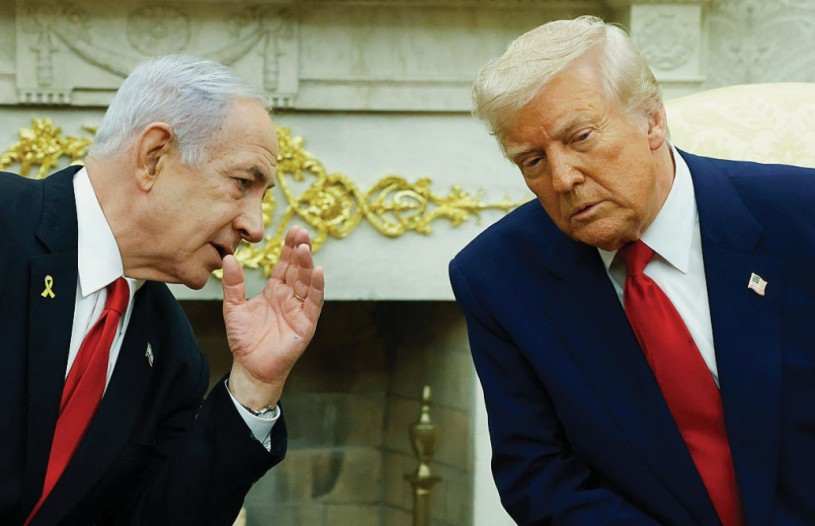
Netanyahu says Trump agreed any Iran deal must remove “nuclear danger” as tensions rise over uranium enrichment and Middle East security.
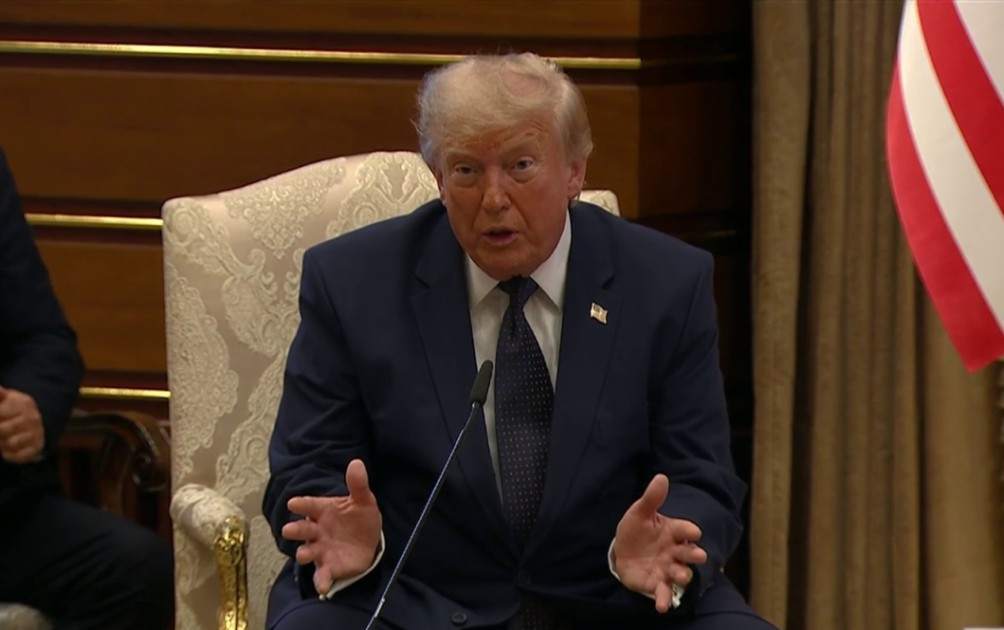
Israeli Prime Minister Benjamin Netanyahu said US President Donald Trump agreed that any future agreement with Iran must completely remove what he called the “nuclear danger,” signaling a harder line in ongoing negotiations with Tehran.
The remarks came after Netanyahu said he spoke with Trump by phone before publishing a public statement on May 24, 2026. The comments arrive at a sensitive moment as the United States, Iran, and regional powers attempt to avoid another major conflict in the Middle East.
In a message posted on X, Netanyahu said both leaders agreed that any deal with Iran must go beyond temporary restrictions and instead dismantle Tehran’s nuclear capabilities.
“That means dismantling Iran’s nuclear enrichment sites and removing its enriched nuclear material from its territory,” Netanyahu said.
He also stressed that his policy remains unchanged and that Iran “will not have nuclear weapons.”
The statement immediately drew international attention because it reflects one of the toughest public positions taken so far during the current negotiations.
Why the Iran Nuclear Talks Matter
The latest US-Iran discussions are taking place after months of escalating regional instability, including military confrontations involving Israel, Iran-backed groups, and heightened security threats across the Middle East.
At the center of the negotiations is Iran’s uranium enrichment program.
Western governments and Israel argue that highly enriched uranium could eventually help Iran develop nuclear weapons capability. Iran, however, insists its nuclear activities are for peaceful civilian purposes, including energy production and scientific research.
The disagreement has become one of the biggest obstacles to any future agreement.
Diplomatic sources familiar with the talks say negotiators remain divided over whether Iran should be allowed to keep any enrichment infrastructure at all.
Israel has long opposed limited restrictions, arguing that temporary caps do not permanently eliminate the risk.
Netanyahu’s Position Signals Pressure on Washington
Netanyahu’s comments are widely seen as an effort to shape the direction of US policy before any final agreement is announced.
Israeli officials fear a deal that allows Iran to retain enriched uranium stockpiles or advanced nuclear technology could eventually leave Tehran capable of rebuilding its program quickly.
Security analysts say Israel is pushing for a “zero enrichment” framework — a position far stricter than previous international agreements.
The statement also appeared aimed at reassuring Israeli domestic audiences that the government remains committed to preventing Iran from becoming a nuclear-capable state.
Political analysts believe Netanyahu wants to publicly lock in US support for Israel’s security concerns before negotiations progress further.
Trump Balances Diplomacy and Pressure
President Trump has recently signaled that negotiations with Iran are moving forward, while also warning that military options remain available if talks collapse.
His administration appears to be balancing diplomacy with continued economic and strategic pressure on Tehran.
Washington faces competing pressures at home and abroad:
- Israel and hawkish lawmakers want stronger restrictions on Iran.
- Gulf allies seek regional stability and open trade routes.
- Some US officials want to avoid another costly Middle East conflict.
The White House has not released full details of the latest discussions between Trump and Netanyahu.
However, the Israeli leader said Trump reaffirmed Israel’s right to defend itself against regional threats, including from Lebanon.
That reference is widely understood to involve concerns about Hezbollah, the Iran-backed armed group based in Lebanon.
Global Concerns Grow Over Oil and Regional Stability
The Iran negotiations are being closely watched by governments and financial markets worldwide because of their potential impact on global energy supplies.
Any major escalation involving Iran could threaten shipping routes in the Strait of Hormuz, one of the world’s most important oil transit corridors.
Even limited disruptions in the region can affect:
- oil prices,
- inflation,
- shipping costs,
- and global financial markets.
Energy analysts warn that uncertainty surrounding the talks has already increased volatility in oil trading.
Countries across Europe and Asia remain particularly sensitive to potential supply disruptions because many economies still rely heavily on Middle Eastern energy exports.
Iran Maintains Its Position
Iranian officials continue to reject demands for the complete dismantling of their nuclear infrastructure.
Tehran argues that uranium enrichment for civilian use is a sovereign right protected under international agreements.
Iran also says sanctions and military pressure have failed to stop its technological development.
At the same time, Iranian leaders have signaled they are willing to continue negotiations if economic restrictions are eased and security guarantees are provided.
That leaves diplomats facing a difficult challenge:
finding a compromise that satisfies both Western security concerns and Iran’s demand for nuclear sovereignty.
What Happens Next?
Negotiators are expected to continue discussions in the coming weeks, but several major issues remain unresolved.
Among them are:
- uranium stockpile limits,
- international inspections,
- sanctions relief,
- missile programs,
- and regional military activity.
Diplomats warn that the talks remain fragile despite public optimism from some leaders.
Any breakdown in negotiations could quickly increase tensions across the Middle East and raise fears of renewed military confrontation.
For now, Netanyahu’s statement has added new pressure to already delicate talks — while reminding the international community how high the stakes have become.
FAQ
What did Netanyahu say about Trump and Iran?
Netanyahu said he spoke with President Trump and that both agreed any deal with Iran must eliminate the “nuclear danger” by dismantling enrichment facilities and removing enriched nuclear material.
Why is Iran’s nuclear program controversial?
Western governments and Israel fear Iran could eventually develop nuclear weapons capability through uranium enrichment. Iran insists its program is peaceful and intended for civilian use.
What is the main issue in the current negotiations?
One of the biggest disputes is whether Iran will be allowed to keep uranium enrichment infrastructure and enriched uranium stockpiles.
How could this affect the global economy?
Any escalation involving Iran could disrupt oil shipping routes in the Strait of Hormuz, potentially increasing fuel prices, inflation, and market instability worldwide.
Why did Netanyahu mention Lebanon?
The reference is linked to security concerns involving Hezbollah, the Iran-backed armed group operating from Lebanon’s southern border area.
Stay Ahead of the News
Before Everyone Else
Major stories break every hour. Join our news community and receive instant alerts, viral headlines, and important updates the moment they happen.