By Shanjid Shane 🕒 Jun 7, 2026
OPEC+ Raises July Oil Output Targets Despite Middle East Supply Disruptions
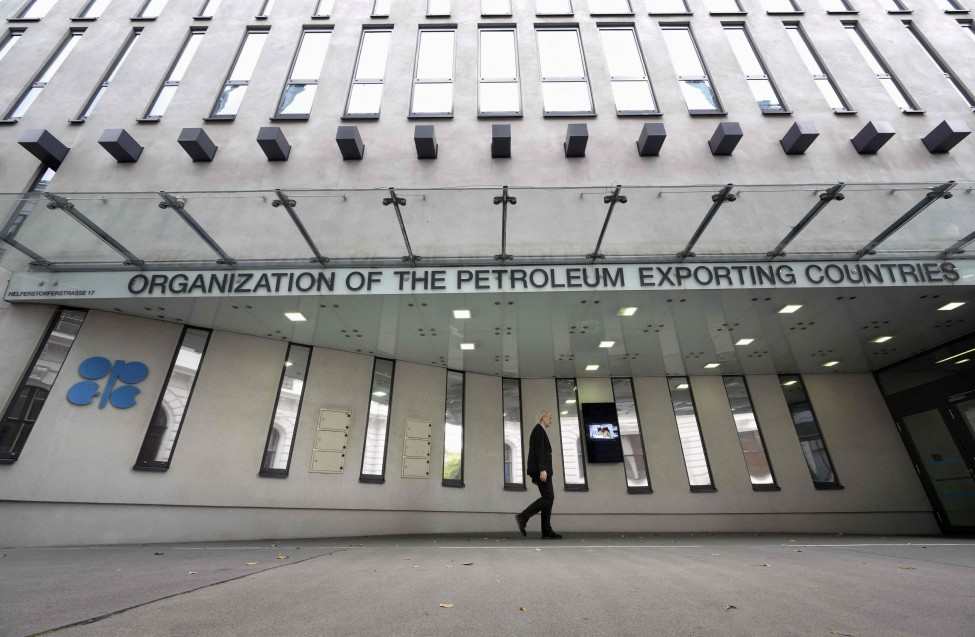
OPEC+ agreed to raise July oil production quotas by 188,000 barrels per day, continuing its output recovery strategy despite ongoing supply disruptions.
OPEC+ agreed on Sunday to increase oil production quotas for July by 188,000 barrels per day (bpd), extending a months-long effort to gradually restore supply to the global market after years of production restraint.
The decision, reached during a ministerial meeting of the producer alliance, marks the fourth consecutive monthly increase in output targets for the group's key members, including Saudi Arabia, Russia, Iraq, Kuwait, Kazakhstan, Algeria and Oman.
The move comes at a time when oil markets are grappling with a paradox: OPEC+ is authorizing more production on paper, while real-world supply disruptions continue to limit the amount of crude reaching international buyers.
"We remain committed to maintaining market stability and supporting healthy market fundamentals," the alliance said in a statement following the meeting.
Why OPEC+ Is Increasing Production
The July increase is part of a broader plan to gradually unwind voluntary production cuts introduced in 2023.
Those cuts, totaling roughly 1.65 million barrels per day, were designed to support prices amid concerns about slowing economic growth and weaker fuel demand.
Since April, OPEC+ has been steadily returning some of those barrels to the market. Sunday's decision signals that the group remains confident enough in global demand to continue that process.
However, the increase was smaller than some earlier adjustments after changes within the alliance, including the departure of the United Arab Emirates from OPEC+, which led to a recalculation of production baselines and quotas.
The Bigger Story: Actual Supply Is Still Under Pressure
For traders, the headline quota increase may not be the most important development.
Energy analysts note that production targets do not automatically translate into additional exports. Several member countries have struggled to fully utilize their quotas because of infrastructure limitations, operational challenges, and geopolitical disruptions.
Recent tensions affecting shipping routes in the Gulf have become a particular concern.
The Strait of Hormuz, one of the world's most strategically important energy corridors, handles roughly a fifth of globally traded oil. Any disruption to tanker traffic through the waterway can have immediate consequences for supply chains and oil prices.
As a result, market participants are increasingly focused on physical exports rather than official production targets.
"The market is asking a simple question," said one industry analyst following the decision. "Can those barrels actually be delivered?"
Saudi Arabia's Delicate Balancing Act
Saudi Arabia, the alliance's largest producer and de facto leader, continues to walk a fine line between supporting prices and defending market share.
Keeping production too low for too long risks encouraging competing producers—including U.S. shale operators and rapidly growing exporters such as Brazil and Guyana—to capture a larger share of global demand.
At the same time, a sharp increase in supply could place downward pressure on prices, reducing revenues for oil-dependent economies.
The gradual pace of OPEC+'s latest production increases reflects that balancing act.
Rather than flooding the market, the group appears to be signaling that it is prepared to supply more oil while retaining the flexibility to reverse course if market conditions deteriorate.
What This Means for Oil Prices
Under normal circumstances, higher production targets would be expected to push prices lower.
But analysts say the market is currently being driven by broader concerns, including geopolitical risks, export disruptions, and uncertainty surrounding future supply flows.
That means the impact of the July quota increase could be limited unless producers are able to convert those higher targets into actual shipments.
For now, traders appear to be treating the decision less as a major supply event and more as a policy signal from the world's largest oil-producing alliance.
What Happens Next?
Attention will now shift to August and September.
If OPEC+ continues raising quotas at a similar pace, the alliance could complete a significant portion of its planned rollback of voluntary production cuts before the end of the third quarter.
However, future decisions will depend heavily on global demand, inventory levels, economic growth, and developments in the Middle East.
For oil markets, Sunday's announcement provided clarity on policy. What remains uncertain is whether those additional barrels will ever reach customers.
FAQ
How much is OPEC+ increasing production in July?
OPEC+ approved a production quota increase of 188,000 barrels per day for July 2026.
Which countries are part of the increase?
Saudi Arabia, Russia, Iraq, Kuwait, Kazakhstan, Algeria and Oman will participate in the higher production targets.
Why is OPEC+ increasing output?
The alliance is gradually reversing voluntary production cuts introduced in 2023 to support oil prices.
Will oil prices fall?
Not necessarily. Supply disruptions and geopolitical tensions could offset the impact of higher production quotas.
Why is the Strait of Hormuz important?
Around 20% of globally traded oil passes through the waterway, making it one of the world's most critical energy chokepoints.
Stay Ahead of the News
Before Everyone Else
Major stories break every hour. Join our news community and receive instant alerts, viral headlines, and important updates the moment they happen.