By Shanjid Shane 🕒 Jun 10, 2026
Putin Signs Law Expanding Property Seizure Powers Against Russians Abroad
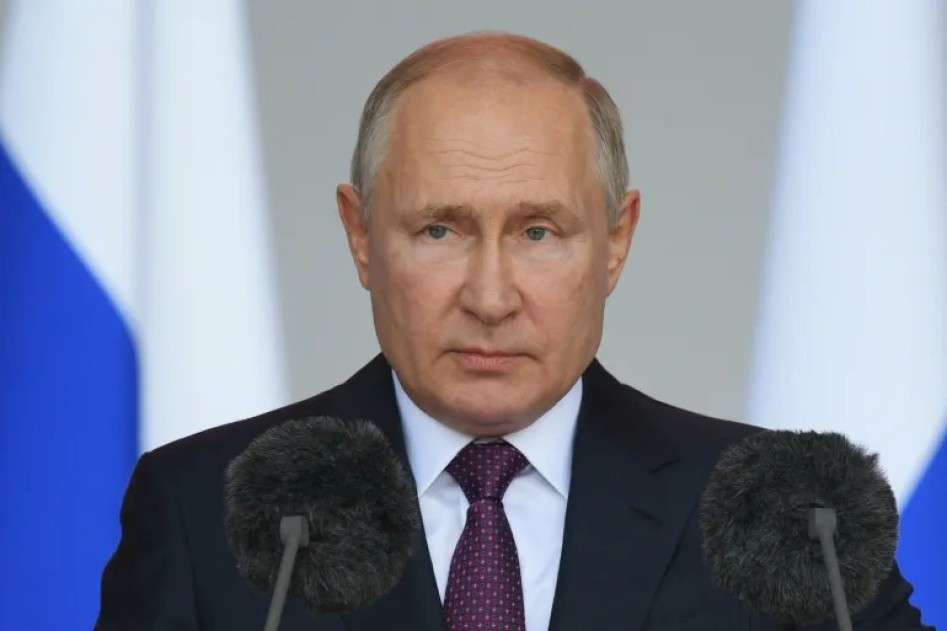
Russian President Vladimir Putin has signed a law that expands the government's ability to pursue the property of Russian citizens living abroad if they are found guilty of certain administrative offenses considered harmful to Russia's interests. The measure, signed into law in Moscow, strengthens the state's legal tools for enforcing penalties against individuals outside the country and has drawn attention from legal experts, human rights groups, and political observers.
The legislation is significant because it targets Russians who have left the country but continue to engage in activities that authorities classify as damaging to national interests. Supporters argue the law closes legal loopholes that previously allowed individuals abroad to avoid administrative accountability. Critics, however, say the measure could increase pressure on political opponents, activists, journalists, and anti-war campaigners living outside Russia.
Key Development
The newly signed law gives Russian authorities broader powers to initiate and enforce administrative proceedings against Russian citizens residing abroad. If individuals are found liable for specified administrative offenses, authorities may seek to recover fines and penalties through assets held within Russia.
The law focuses on administrative violations rather than criminal convictions. However, the practical effect could include the seizure or freezing of certain property located inside Russia to satisfy court-imposed penalties.
Officials have stated that the legislation is designed to ensure that Russian citizens cannot evade responsibility simply by relocating overseas. The government argues that individuals who continue to participate in activities viewed as harmful to the country should remain subject to legal accountability regardless of where they reside.
Among the categories of conduct reportedly covered by the law are offenses related to:
- Discrediting the Russian Armed Forces
- Public calls for sanctions against Russia
- Activities linked to organizations designated as extremist
- Actions interpreted by authorities as undermining national security
- Other administrative violations affecting state interests
Legal experts note that the exact application of the law will depend on court decisions and future enforcement practices.
How Property Seizure Could Work
Under the new framework, Russian authorities may initiate administrative cases against individuals located outside the country. If a court determines that a violation occurred and imposes a financial penalty, enforcement mechanisms could be applied against assets held in Russia.
These assets may include:
- Residential properties
- Commercial real estate
- Bank accounts
- Investments
- Vehicles
- Other registered property
The law primarily affects assets located within Russian jurisdiction. Property located abroad would generally remain subject to the laws of the countries where it is held, making international enforcement considerably more difficult.
Legal analysts emphasize that the legislation does not automatically confiscate the property of all Russians living overseas. Rather, it establishes procedures through which authorities can pursue penalties against individuals found responsible for specified offenses.
Background
The law is part of a broader series of legal measures introduced in Russia since the start of the Ukraine conflict in February 2022.
Over the past several years, Russian lawmakers have expanded legislation related to national security, military information, foreign influence, and public criticism of government institutions. Authorities have argued that these measures are necessary to protect national sovereignty and defend the country against external threats.
At the same time, critics contend that the legal changes have significantly narrowed the space for political dissent and independent activism.
Since 2022, hundreds of thousands of Russians have reportedly left the country for destinations across Europe, Central Asia, the Caucasus region, and other parts of the world. Many emigrants cited political concerns, economic uncertainty, military mobilization, or personal safety as reasons for leaving.
As a result, a growing Russian diaspora has emerged outside the country. Some members of this community continue to participate in political advocacy, independent journalism, social activism, and public criticism of government policies.
The government's latest move appears aimed at extending legal accountability beyond Russia's borders, particularly when individuals maintain financial ties or property holdings inside the country.
Timeline of Relevant Developments
February 2022: Russia launches its full-scale military operation in Ukraine.
2022–2023: New laws are introduced covering military information, public criticism of the armed forces, and activities linked to foreign influence.
2024–2025: Additional legislative proposals are discussed regarding enforcement against Russian citizens residing abroad.
2026: President Putin signs the law expanding administrative enforcement powers against Russians living outside the country.
Public Reaction
Reaction to the legislation has been sharply divided.
Government supporters argue that the law promotes fairness and accountability. They contend that citizenship carries responsibilities and that individuals should not be able to avoid legal consequences by moving abroad.
Some lawmakers have described the measure as a necessary response to what they characterize as coordinated campaigns against Russian interests conducted from outside the country.
Human rights organizations and civil society advocates have expressed concern about the law's potential implications.
Critics argue that broad definitions of offenses could create uncertainty for journalists, researchers, activists, and opposition figures. They warn that the legislation may be used to discourage political criticism by creating financial risks for individuals who maintain assets in Russia.
Several legal scholars have also raised questions regarding due process, cross-border enforcement, and the practical challenges associated with conducting administrative proceedings against people who are physically located outside Russian territory.
Impact on Families and Property Owners
The law could have significant implications for Russian citizens who have emigrated but continue to own homes, apartments, businesses, or financial assets in Russia.
For some individuals, property represents a major portion of personal wealth. Any legal action affecting those assets could have financial consequences for both owners and family members who remain in the country.
Business owners with operations in Russia may also face increased legal and compliance considerations.
Financial institutions, legal advisers, and property managers could see additional administrative responsibilities related to implementing court decisions and enforcement orders.
Impact on Government, Business, and Society
Government Impact
The law strengthens the state's ability to enforce administrative rulings and collect penalties. Officials view it as part of a broader effort to maintain legal authority over citizens regardless of residence.
Economic Impact
The direct economic impact remains uncertain. However, analysts suggest the measure could influence decisions regarding investment, property ownership, and financial planning among Russians living abroad.
Some expatriates may reconsider maintaining significant assets in Russia if they believe legal exposure has increased.
Social Impact
The legislation may deepen divisions between the Russian government and segments of the diaspora community.
Supporters see the measure as a defense of national interests. Opponents view it as an expansion of state control beyond national borders.
The debate reflects broader tensions surrounding citizenship, political expression, and the rights and responsibilities of citizens living overseas.
Expert Analysis
Legal experts generally agree that the law's practical impact will depend heavily on enforcement.
Several key questions remain:
- How broadly courts interpret covered offenses
- How frequently authorities pursue cases against citizens abroad
- What procedural safeguards are provided
- How effectively enforcement mechanisms operate
- Whether additional regulations are introduced to support implementation
International law specialists note that enforcement against property located within Russia is relatively straightforward because such assets fall under Russian jurisdiction.
However, enforcing judgments against property or income located in foreign countries is likely to be much more complex and dependent on international legal cooperation.
Political analysts view the measure as part of a wider trend in which governments around the world seek greater authority over citizens and digital activities that extend beyond traditional geographic borders.
What Happens Next
The next phase will involve implementation by Russian courts, government agencies, and enforcement bodies.
Observers will be watching several developments:
- Publication of detailed enforcement guidelines
- Early court cases under the new law
- Clarification of covered offenses
- Responses from human rights organizations
- Reactions from Russian communities abroad
Legal challenges and public debate are expected to continue as authorities begin applying the legislation in practice.
The extent to which the law affects ordinary Russians living overseas will become clearer only after courts establish precedents and enforcement agencies demonstrate how aggressively the new powers will be used.
FAQ Section
1. What does Putin's new property seizure law do?
The law allows Russian authorities to pursue assets located in Russia belonging to citizens abroad who are found liable for certain administrative offenses.
2. Does the law affect all Russians living overseas?
No. The law applies to individuals who are found responsible for specific administrative violations defined under Russian law.
3. What types of property can be affected?
Property may include real estate, bank accounts, investments, vehicles, and other assets located in Russia.
4. Is this a criminal confiscation law?
The measure primarily concerns administrative offenses and enforcement of penalties rather than automatic criminal confiscation.
5. Can Russia seize property located in foreign countries?
Generally, enforcement is easier for assets located in Russia. Foreign assets remain subject to local laws and international legal procedures.
Stay Ahead of the News
Before Everyone Else
Major stories break every hour. Join our news community and receive instant alerts, viral headlines, and important updates the moment they happen.