By Shanjid Shane 🕒 Jun 14, 2026
Trump Urges Restraint as Israel Reports Drone Impacts Amid Push for Regional Peace Deal

Trump calls for restraint after Israel reports suspicious aerial impacts while negotiations with Iran move closer to a possible peace deal.
More topics for you...This topic continues below.
Japan Urges Iran to Keep Strait of Hormuz Transit Free of Additional Fees.
Efforts to reduce tensions in the Middle East faced a new challenge on Sunday after Israel reported impacts from several "suspicious aerial targets" shortly after US President Donald Trump called on Israel and Hezbollah to avoid further fighting.
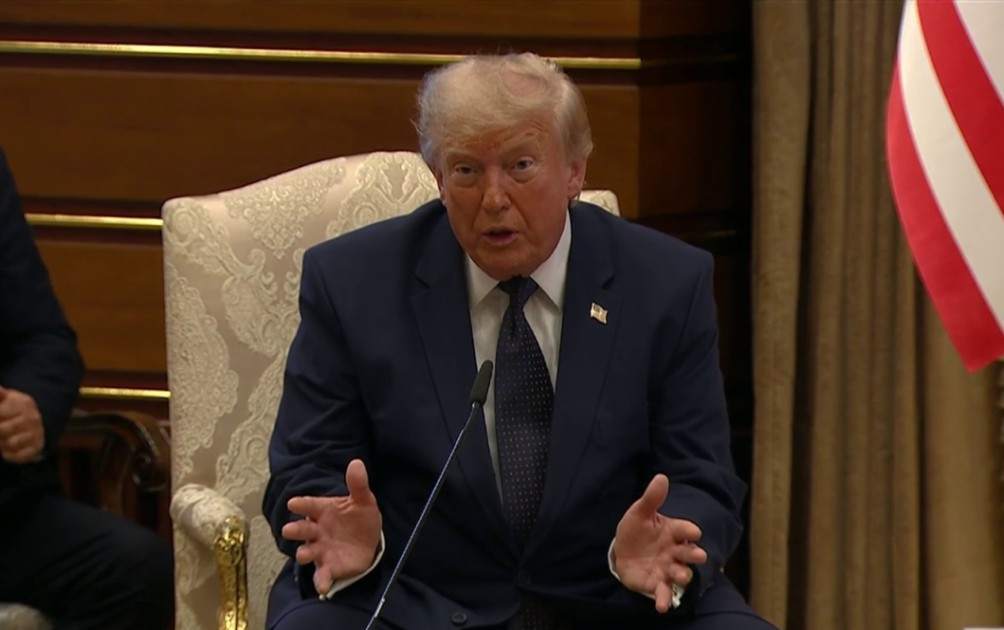
In a post on Truth Social, Trump urged both sides to show restraint and said negotiators were close to reaching a wider agreement that could help bring stability to the region. "We are very close to a Deal that will bring peace to the region, including to Lebanon," he wrote.
The incident came as the United States continued talks aimed at securing a possible agreement with Iran, which Trump suggested could help end months of conflict and regional instability.
The Israeli military said it had detected impacts inside Israeli territory but did not immediately provide details about the objects involved. The phrase "suspicious aerial targets" is often used before officials confirm whether the objects were drones or another type of unmanned aircraft.
It was not immediately clear whether the impacts occurred before or after Trump's Truth Social post.
Israel has repeatedly warned that it would respond strongly to any attack on its territory, raising concerns that any new escalation could threaten ongoing diplomatic efforts and complicate talks involving Iran and Lebanon.
Trump Signals Possible Breakthrough in Iran Negotiations
In a post on Truth Social, Trump indicated that negotiators may be close to reaching a wider regional agreement.
"We are very close to a Deal that will bring peace to the region, including to Lebanon," the president wrote.
The statement offered one of the clearest indications yet that discussions may extend beyond Iran's nuclear programme and include broader security arrangements involving Lebanon and the Iran-backed group Hezbollah.
However, the White House has not released specific details about the proposed agreement, leaving uncertainty about whether Lebanon would formally be included in any final framework.
Diplomatic observers say the mention of Lebanon suggests negotiations may be addressing multiple regional flashpoints simultaneously.
Hegseth Suggests US Could Ease Pressure on Iranian Ports
US Defense Secretary Pete Hegseth provided additional insight into what a potential agreement could involve.
Speaking on CBS's Face the Nation, Hegseth suggested that the United States could end its blockade of Iranian ports if a deal is successfully implemented.
"If the blockade comes off, then you pull back and you allow shipping to flow, just like Iran needs to allow shipping to go through the straits," Hegseth said.
"But we can snap that blockade back at any point."
His comments point to a possible exchange of commitments between Washington and Tehran, focused on restoring commercial shipping while maintaining enforcement mechanisms if either side fails to meet its obligations.
Why the Strait of Hormuz Remains Central to the Talks
One of the most important issues in the negotiations is maritime security in the Strait of Hormuz, a narrow waterway through which a significant share of the world's oil supply passes.
Any disruption to shipping in the region can affect global energy prices, international trade routes, and inflation in many countries.
Western officials have long accused Iran of threatening maritime traffic during periods of heightened tension. Iran, meanwhile, has argued that sanctions and military pressure have contributed to instability.
A successful agreement could reduce risks to commercial shipping and provide greater certainty for global markets.
Growing Concerns Over Israel-Hezbollah Escalation
The latest reports of aerial impacts highlight how quickly military developments can challenge diplomatic progress.
Israel and Hezbollah have exchanged fire repeatedly in recent months, with both sides accusing each other of violating ceasefire understandings.
Military analysts say even a limited drone attack could provoke retaliatory action if Israeli authorities determine that the incident posed a significant threat.
That possibility has prompted renewed international calls for restraint as negotiations continue.
Iran Warns Beirut Strike Could Derail Ceasefire Efforts
Iranian officials reacted sharply to Israel's strike on Beirut's southern suburbs, warning that the attack could jeopardize ongoing efforts to secure a broader ceasefire agreement between Tehran and Washington.
Iran's chief negotiator, Mohammad Baqer Ghalibaf, said the strike raised questions about Washington's ability to uphold commitments made during negotiations. He argued that continued Israeli military operations in Lebanon risk undermining confidence in the diplomatic process.
Tehran has repeatedly insisted that any ceasefire framework should extend beyond direct U.S.-Iran hostilities and include an end to Israeli military actions in Lebanon. Earlier this month, Iranian media reported that negotiators suspended communications with mediators after Israeli operations in Lebanon, claiming that Lebanon was one of the conditions attached to broader ceasefire discussions.
Was Israel Trying to Derail the Talks?
The timing of the Beirut strike has prompted questions among regional analysts and diplomats because it came just hours before an anticipated U.S.-Iran agreement.
Some Iranian officials and commentators have suggested that the attack appeared designed to complicate or delay the diplomatic process. Iranian leaders warned that such actions could make it difficult to continue negotiations and threatened to reconsider participation in the talks.
Israel, however, has rejected suggestions that its actions were aimed at diplomacy. Israeli officials said the strike was a response to Hezbollah drone activity targeting northern Israel and was carried out for security reasons. The Israeli military has maintained that it will continue responding to attacks on Israeli territory regardless of ongoing negotiations.
President Donald Trump publicly criticized the timing of the strike, saying Israel "should not have attacked Beirut" while negotiations were nearing completion. At the same time, he urged both Israel and Hezbollah to avoid further escalation, warning that renewed violence could threaten a potential regional peace agreement.
What Happens Next?
Several key questions remain unanswered:
Will Israel retaliate?
Israeli officials have consistently maintained that attacks on Israeli territory will not go unanswered.
Is a US-Iran agreement close?
Trump's comments suggest progress, but negotiators have not publicly confirmed a final agreement.
Could Lebanon be part of a broader peace framework?
Trump's reference to Lebanon has fueled speculation that regional security issues may be included in ongoing talks.
What role will shipping security play?
Maintaining open trade routes through the Strait of Hormuz appears to be one of the central objectives of any future deal.
Background: Months of Regional Tension
The latest developments come after months of heightened tensions involving Iran, Israel, Hezbollah, and the United States.
Military confrontations, concerns over Iran's nuclear activities, and threats to international shipping have repeatedly raised fears of a wider regional conflict.
Diplomatic efforts have intensified in recent weeks as governments seek to prevent further escalation and establish a framework for long-term stability.
While significant differences remain, recent statements from both Trump and senior US officials suggest negotiators believe a breakthrough may be within reach.
Frequently Asked Questions (FAQ)
What did Trump say about the Iran deal?
Trump said the United States is "very close" to reaching a deal that could bring peace to the region and potentially include Lebanon.
What are "suspicious aerial targets"?
The term is commonly used by the Israeli military when reporting unidentified airborne objects, often before determining whether they are drones or other aircraft.
Why is the Strait of Hormuz important?
The Strait of Hormuz is one of the world's most important shipping routes for oil and energy exports. Any disruption can affect global markets.
What did Pete Hegseth say?
Hegseth said the United States could lift pressure on Iranian ports as part of a deal, while retaining the ability to reimpose restrictions if necessary.
Could the latest incident affect peace talks?
Yes. Any military escalation involving Israel, Hezbollah, or Iran could complicate ongoing negotiations and delay a potential agreement.
Stay Ahead of the News
Before Everyone Else
Major stories break every hour. Join our news community and receive instant alerts, viral headlines, and important updates the moment they happen.