By Shanjid Shane 🕒 Jun 8, 2026
Xi Jinping’s Message to North Korea Signals a New Chapter in China-DPRK Relations
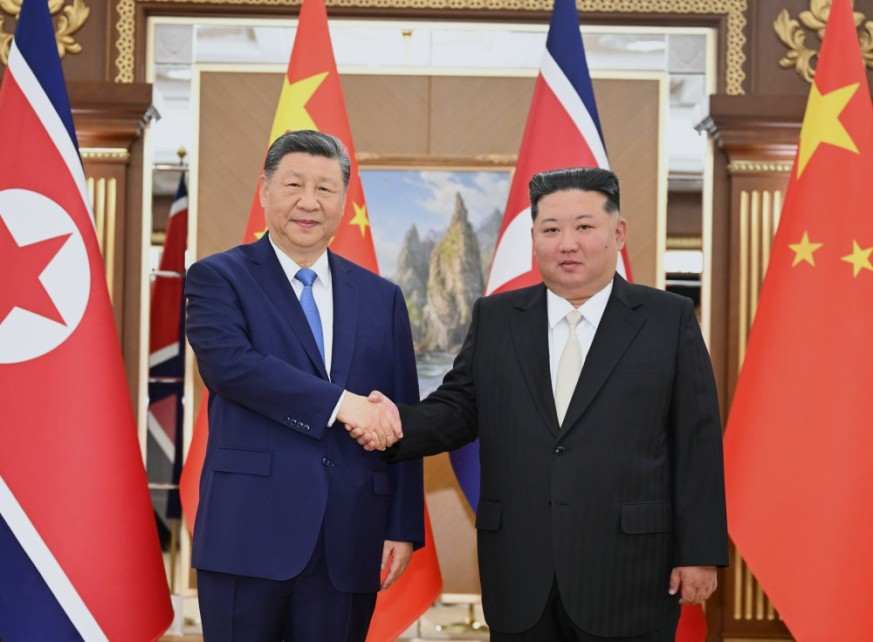
Chinese President Xi Jinping has called on China and the Democratic People's Republic of Korea (DPRK) to deepen mutual trust and expand practical cooperation, underscoring the importance of the long-standing relationship between the neighboring countries.
On June 8, 2026, Xi Jinping met with Kim Jong Un in Pyongyang during Xi's first visit to North Korea in about seven years. The meeting is one of the most significant developments in Northeast Asian diplomacy in 2026 because it signals a renewed effort by China to deepen ties with the Democratic People's Republic of Korea (DPRK) amid changing regional and global power dynamics.
The remarks came during Xi's visit to Pyongyang, where he met North Korean leader Kim Jong Un in a high-profile summit that highlighted growing coordination between the two nations.
Xi emphasized the need to strengthen political communication, enhance economic cooperation, and promote people-to-people exchanges as both countries navigate an increasingly complex international environment.
"China is willing to work with the DPRK to consolidate strategic mutual trust and deepen practical cooperation," Xi said during the talks, according to Chinese state media.
Why the Meeting Matters
The summit comes at a time of shifting geopolitical dynamics in Northeast Asia.
China remains North Korea's largest economic partner and one of its most important diplomatic allies. While the two countries share decades of historical ties, analysts say recent developments in regional security and global politics have created new incentives for closer coordination.
The visit is widely seen as a signal that Beijing intends to maintain a strong relationship with Pyongyang despite growing competition among major powers in the region.
Experts note that China values stability on the Korean Peninsula and sees continued engagement with North Korea as an important part of its broader regional strategy.
Expanding Economic and Practical Cooperation
Focus on Trade, Infrastructure and Technology
A key theme of the talks was practical cooperation.
Xi called for deeper collaboration in areas including trade, agriculture, infrastructure, healthcare, science, and technology. Both sides also discussed improving cross-border connectivity and expanding economic exchanges.
The emphasis on practical cooperation suggests a shift toward concrete projects that can deliver economic benefits while strengthening bilateral ties.
For North Korea, closer economic engagement with China could provide much-needed support for development efforts and improve access to trade opportunities.
For China, stronger economic links help maintain stability along its border and reinforce its influence in the region.
Strengthening Political Trust
A Strategic Partnership Under the Spotlight
Political trust was another major focus of the discussions.
Xi urged both countries to maintain regular high-level exchanges and strengthen communication between government agencies, political institutions, and other organizations.
Analysts say such efforts are aimed at ensuring closer policy coordination and reinforcing the strategic partnership that has shaped China-DPRK relations for decades.
The message also reflects Beijing's desire to remain a key diplomatic partner for Pyongyang as North Korea expands its international engagements.
Shared History Remains a Powerful Symbol
The leaders also highlighted the historical relationship between their countries.
China and North Korea often describe their partnership as being forged through shared sacrifices during the Korean War. Officials from both sides have repeatedly pointed to this history as the foundation of their modern relationship.
The current year carries additional symbolic importance as both countries commemorate major milestones in their diplomatic ties.
Observers say these historical references are not merely ceremonial; they help reinforce political legitimacy and strengthen public narratives surrounding bilateral cooperation.
Regional Implications
What It Means for Northeast Asia
The summit is likely to attract close attention from governments across the region.
China's growing engagement with North Korea comes amid ongoing security concerns on the Korean Peninsula and broader strategic competition involving the United States, South Korea, Japan, China, and Russia.
While the meeting focused largely on cooperation and development, analysts believe it also carries a broader geopolitical message: Beijing and Pyongyang intend to maintain close coordination as regional tensions continue to evolve.
The discussions may also influence future diplomatic efforts related to security, economic development, and regional stability.
Analysts See Long-Term Strategic Goals
Foreign policy experts suggest the summit reflects long-term calculations by both leaders.
For Kim Jong Un, stronger ties with China offer economic opportunities, diplomatic support, and greater strategic flexibility.
For Xi Jinping, maintaining a stable and cooperative relationship with North Korea helps protect China's security interests and preserve stability on its northeastern border.
The meeting therefore represents more than a routine diplomatic exchange. It highlights how both countries continue to see value in deepening cooperation amid changing global conditions.
FAQ
Why did Xi Jinping visit North Korea?
Xi Jinping visited North Korea to meet Kim Jong Un, strengthen bilateral relations, and discuss future cooperation in political, economic, and strategic areas.
What does "practical cooperation" mean?
Practical cooperation generally refers to tangible collaboration in sectors such as trade, agriculture, infrastructure, technology, healthcare, and transportation.
Why is China important to North Korea?
China is North Korea's largest trading partner and a key diplomatic ally, making it an important source of economic and political support.
What are the main outcomes of the meeting?
The leaders emphasized stronger political trust, expanded economic cooperation, increased cultural exchanges, and closer strategic coordination.
How could the summit affect regional politics?
The meeting could influence diplomatic relationships across Northeast Asia by reinforcing China-North Korea ties amid ongoing regional security challenges.
Stay Ahead of the News
Before Everyone Else
Major stories break every hour. Join our news community and receive instant alerts, viral headlines, and important updates the moment they happen.