By Shanjid Shane 🕒 May 23, 2026
France Officially Bans Israeli Minister Ben-Gvir After Gaza Flotilla Controversy
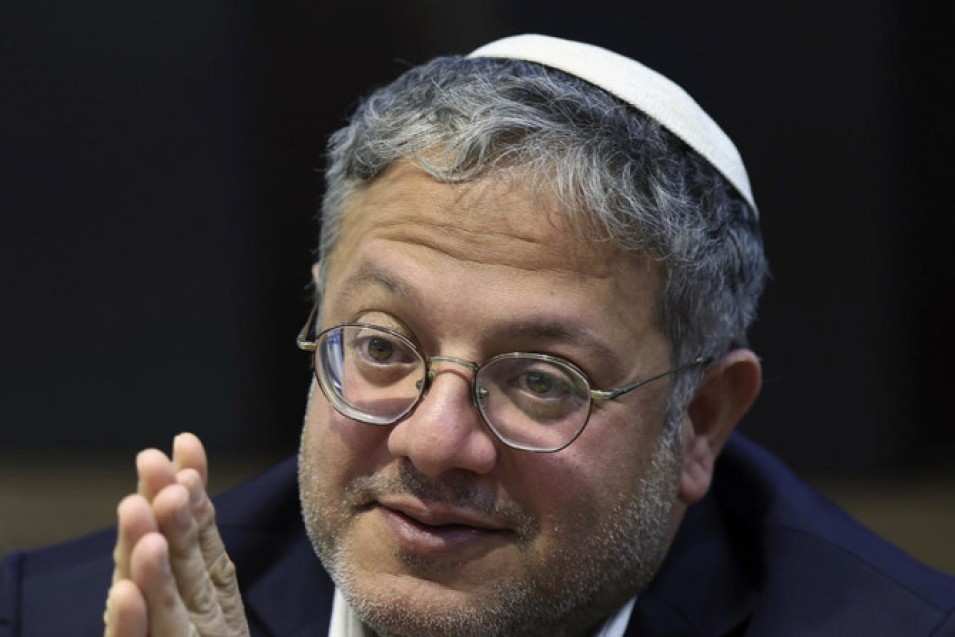
France officially bans Israeli minister Itamar Ben-Gvir after allegations of activist abuse during a Gaza flotilla interception spark diplomatic outrage.
France officially announced an immediate ban on Israeli National Security Minister Itamar Ben-Gvir from entering French territory following international outrage over the treatment of activists detained during a Gaza-bound aid flotilla operation.
French Foreign Minister Jean-Noël Barrot confirmed the decision publicly on Saturday through an official statement posted on X, formerly Twitter.
“As from today, Itamar Ben-Gvir is banned from entering French territory,” Barrot wrote.
The French government said the decision was taken after what officials described as “reprehensible” and “unspeakable” actions toward French and European citizens detained after Israeli forces intercepted the “Global Sumud Flotilla” earlier this week.
The ban took effect immediately on May 23.
The original video clip was reportedly posted on Itamar Ben-Gvir’s official X (Twitter) account on May 20, 2026.
ככה אנחנו מקבלים את תומכי הטרור
— איתמר בן גביר (@itamarbengvir) May 20, 2026
Welcome to Israel 🇮🇱 pic.twitter.com/7Hf8cAg7fC
The controversy escalated after videos circulated online showing restrained activists kneeling on the ground while Ben-Gvir appeared to taunt or mock them during detention procedures. The footage quickly spread across international media and triggered strong reactions across Europe.
The incident began when Israeli naval forces intercepted the “Global Sumud Flotilla,” a humanitarian aid convoy attempting to reach Gaza amid the ongoing war and blockade conditions in the territory. The flotilla included activists, journalists, medical volunteers, and campaigners from several countries, including France, Italy, Spain, Britain, and Ireland. Israeli authorities detained the passengers after stopping the vessels in international waters, a move that immediately drew criticism from human rights organizations and pro-Palestinian groups.
French officials emphasized that the issue became particularly sensitive because French citizens were directly involved. Paris later confirmed that dozens of French nationals were deported after the operation. Diplomatic tensions intensified after allegations emerged that detainees faced humiliation, intimidation, and physical abuse while in Israeli custody. Israeli prison authorities denied the allegations, insisting the detainees were treated according to legal procedures.
What transformed the incident from a regional controversy into a major geopolitical dispute was not only the detention itself, but the symbolism surrounding it. European diplomats privately acknowledged that the images of restrained European citizens being publicly mocked by a senior Israeli minister created outrage far beyond traditional debates surrounding Gaza. For France, the issue evolved into a question of national dignity and state prestige as much as a human rights concern.
Jean-Noël Barrot announced the ban publicly on X, formerly Twitter, saying that France would not tolerate the intimidation or humiliation of its citizens by foreign officials. According to diplomatic sources, France also began coordinating discussions with European partners regarding possible wider sanctions or restrictions targeting extremist figures within Israel’s government. Italy reportedly supported calls for broader European action following the flotilla incident.
The move reflects a much deeper shift unfolding across Europe regarding Israel’s current political direction. For decades, European governments largely avoided taking direct punitive measures against senior Israeli officials, even during periods of intense conflict. Israel was traditionally viewed across most Western capitals as a close democratic ally whose security concerns were deeply tied to European historical memory and strategic interests.
That political consensus has weakened significantly during the Gaza war. Across Europe, public anger over civilian casualties, humanitarian conditions, and settlement expansion has increased pressure on governments to adopt a tougher stance toward Israeli policies and the far-right ministers influencing Prime Minister Benjamin Netanyahu’s coalition. Ben-Gvir has become one of the most controversial symbols of that political transformation.
As leader of the ultranationalist Otzma Yehudit party, Ben-Gvir has long been criticized for inflammatory rhetoric, hardline prison policies, and aggressive positions regarding Palestinians and settlement expansion. Supporters inside Israel describe him as a defender of national security during a period of regional instability and militant violence. Critics argue that his rhetoric and actions contribute to escalating tensions and damage Israel’s international standing.
France’s decision is also linked to its broader geopolitical ambitions in the Middle East. President Emmanuel Macron’s government has increasingly attempted to position France as an independent diplomatic power capable of balancing relations between Israel, Arab states, and international humanitarian concerns. Paris has pushed for ceasefire negotiations, expanded humanitarian aid access to Gaza, and renewed discussions surrounding Palestinian statehood recognition.
By formally banning Ben-Gvir, France is signaling that it no longer views certain figures within Israel’s government as ordinary political actors. Analysts say the move reflects growing concern in Europe that ultranationalist forces inside Israeli politics are reshaping the country’s global image and complicating relations with Western allies.
The diplomatic fallout also exposes internal divisions within Europe itself. Countries such as France, Spain, Ireland, and Belgium have become increasingly critical of Israeli military operations and far-right rhetoric. Meanwhile, Germany, Austria, Hungary, and the Czech Republic continue to maintain strong support for Israel, arguing that European governments must remain mindful of Israel’s security threats and the dangers posed by Hamas and regional militant groups.
Inside Israel, the controversy reportedly created discomfort even among some senior officials. Prime Minister Benjamin Netanyahu publicly criticized Ben-Gvir’s handling of the situation, according to Israeli media reports, while other officials warned that the video damaged Israel diplomatically at a time of growing international isolation. The incident has highlighted a broader challenge facing Netanyahu’s coalition government, which depends politically on far-right allies while simultaneously trying to preserve strategic relationships with Western powers.
The France ban may ultimately carry consequences extending far beyond travel restrictions. Diplomats and analysts say the controversy could accelerate discussions within Europe regarding sanctions on extremist settlers or officials, tighter scrutiny of defense cooperation, and increased support for Palestinian statehood initiatives. It may also deepen international legal pressure related to Gaza and the treatment of detainees during military operations.
More importantly, the matter reflects a wider transformation in how parts of the Western world increasingly view Israel’s political trajectory. For years, Israel was largely framed in Europe as a liberal democratic partner confronting security threats in a volatile region. Today, growing numbers of European policymakers are openly debating whether the rise of ultranationalist politics inside Israel is pushing the country toward a more confrontational relationship with its traditional allies.
France’s unprecedented decision to officially ban Itamar Ben-Gvir therefore represents more than a diplomatic protest over one incident at sea. It signals a broader geopolitical rupture that may continue reshaping relations between Israel and Europe as the Gaza conflict deepens and international pressure intensifies.
Stay Ahead of the News
Before Everyone Else
Major stories break every hour. Join our news community and receive instant alerts, viral headlines, and important updates the moment they happen.