By Shanjid Shane 🕒 May 12, 2026
Hantavirus Cases Rise to 11 After MV Hondius Cruise Ship Outbreak
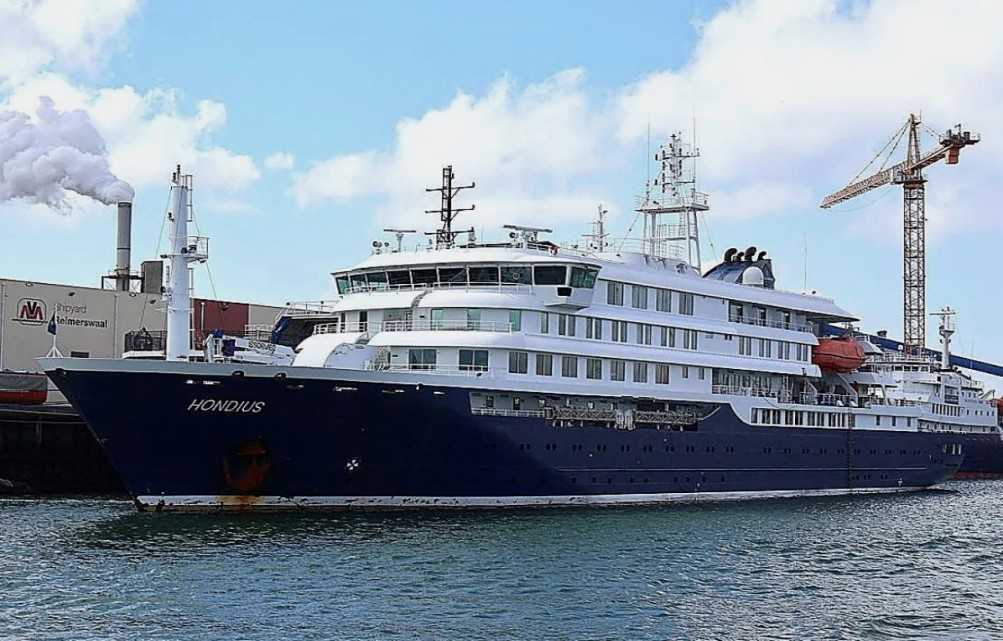
Health officials around the world are closely watching a rare hantavirus outbreak linked to the expedition cruise ship MV Hondius, after the number of confirmed and suspected cases rose to 11. The outbreak has already caused three deaths and forced passengers from several countries into quarantine as doctors try to stop further spread of the virus.
A luxury expedition cruise that promised glaciers, wildlife and adventure has turned into an international health emergency after a rare hantavirus outbreak spread among passengers aboard the MV Hondius.
At least 11 people are now confirmed or suspected to have been infected. Three people have died. Passengers from multiple countries are in quarantine, while health officials race to understand how the virus spread across continents.
The outbreak has drawn worldwide attention because the virus involved — the Andes strain of hantavirus — is one of the few known hantaviruses that can sometimes pass from one person to another.
For many experts, the incident is unlike anything seen before.
A dream voyage turns into a medical crisis
The MV Hondius, a Dutch-operated polar expedition ship, had been carrying tourists on a voyage connected to southern Argentina and Antarctic travel routes earlier this year.
Passengers described the trip as calm and normal in its early days. But near the end of the voyage, several travelers reportedly became sick with symptoms that first looked like the flu.
Some complained of:
- fever,
- muscle pain,
- headaches,
- fatigue,
- coughing,
- and breathing difficulty.
At first, many believed it was a seasonal virus or ordinary respiratory illness.
Then the situation worsened.
Several passengers rapidly developed severe lung problems and required emergency medical care after the ship reached ports near the Canary Islands.
Laboratory testing later identified the cause: the Andes strain of hantavirus.
What is hantavirus?
Hantaviruses are a group of viruses usually carried by rodents.
People can become infected after breathing air contaminated with:
- rodent urine,
- saliva,
- or droppings.
In North and South America, some hantaviruses can cause a dangerous illness called Hantavirus Pulmonary Syndrome (HPS).
The disease attacks the lungs and can become deadly within days.
Doctors say early symptoms can feel mild at first, but patients may suddenly become critically ill as fluid builds inside the lungs.
Health experts estimate that severe HPS cases can have a high fatality rate if treatment is delayed.
Why the Andes strain is different
Most hantaviruses do not spread between humans.
The Andes virus is one of the rare exceptions.
Scientists have previously documented limited person-to-person transmission, usually among:
- close family members,
- intimate partners,
- or people sharing enclosed spaces for long periods.
That is one reason the cruise ship outbreak has alarmed health authorities.
Cruise ships place passengers in shared dining areas, cabins, lounges and excursion groups for days or weeks at a time.
Experts say such close contact may have helped the virus spread more easily.
Still, officials stress that the virus is far less contagious than illnesses like COVID-19, influenza or measles.
How investigators think the outbreak began
Investigators believe the original exposure may have happened in southern Argentina, where Andes virus naturally exists in rodent populations.
Several possibilities are being examined:
- exposure during land excursions,
- contact with contaminated areas before boarding,
- infected luggage or supplies,
- or transmission between passengers after one person became infected.
So far, scientists have not publicly confirmed exactly where the first infection occurred.
Genetic sequencing of virus samples reportedly suggests many of the cases are closely related, meaning they may come from a single chain of transmission.
The race to contain the outbreak
As passengers returned home across the world, governments quickly launched emergency response measures.
United States
The US government evacuated 18 people connected to the outbreak from Tenerife in the Canary Islands.
Most were flown to federal quarantine facilities in Nebraska. Others with symptoms were transferred to specialized isolation units in Atlanta designed for dangerous infectious diseases.
Health officials are monitoring exposed travelers for up to 42 days.
The CDC activated a Level 3 emergency response, mainly to coordinate:
- quarantine operations,
- testing,
- passenger tracing,
- and communication with international agencies.
Spain
Spain confirmed at least one positive case among evacuated passengers near Madrid.
Other travelers remain under medical observation.
France and the Netherlands
French authorities traced dozens of close contacts after one passenger became critically ill.
Dutch hospitals also faced concern after reports that some medical staff may have been exposed before the infection was fully identified.
South Africa and other countries
Passengers traveled onward to several countries before the outbreak became widely known, forcing health agencies across Europe, Africa and Asia to begin contact tracing operations.
Families trapped in uncertainty
For relatives of passengers, the outbreak has been frightening and confusing.
Some families say they first learned about the virus only after loved ones were suddenly hospitalized.
Others remain separated while quarantine rules continue.
Passengers under observation have described feelings of:
- fear,
- uncertainty,
- loneliness,
- and frustration over changing travel restrictions.
Some remain isolated in hotel rooms or medical facilities while waiting for repeated testing.
Why cruise ships create special risks
Cruise ships have long been vulnerable to outbreaks because large numbers of people live together in enclosed spaces.
Past outbreaks on ships have involved:
- COVID-19,
- norovirus,
- influenza,
- and Legionnaires’ disease.
But experts say a hantavirus outbreak aboard a cruise vessel is extremely unusual.
Unlike common respiratory viruses, hantavirus outbreaks are normally linked to rural rodent exposure, not international tourism.
The situation has now triggered discussions inside the travel industry about:
- onboard disease surveillance,
- emergency isolation systems,
- air filtration,
- and health screening for expedition cruises.
Could more cases appear?
Health officials warn that additional infections are still possible.
The Andes virus can take weeks before symptoms appear, meaning some exposed passengers may not yet know they are infected.
Doctors are especially watching people who had:
- close cabin contact,
- caregiving exposure,
- or prolonged interaction with sick passengers.
At the moment, the World Health Organization says the risk to the general public remains low.
Still, epidemiologists say the outbreak is being studied carefully because it may provide rare new information about how Andes hantavirus spreads in modern travel settings.
Scientists searching for answers
Researchers are now trying to answer several major questions:
- Did transmission happen mainly before boarding?
- Was there person-to-person spread onboard?
- Did shared ventilation or crowded areas play a role?
- Why did some passengers become critically ill while others showed mild symptoms?
- Could cruise travel increase risks for future outbreaks?
The answers may shape future global health policies for expedition tourism and infectious disease preparedness.
For now, passengers remain in quarantine, laboratories continue testing samples, and governments are preparing for the possibility that more cases could emerge in the coming weeks.
What began as a remote polar voyage has become a reminder of how quickly a rare disease can cross borders in a connected world.
Stay Ahead of the News
Before Everyone Else
Major stories break every hour. Join our news community and receive instant alerts, viral headlines, and important updates the moment they happen.