By Shanjid Shane 🕒 May 12, 2026
US–China Summit Begins May 14: Iran Crisis and Energy Security at Center Stage
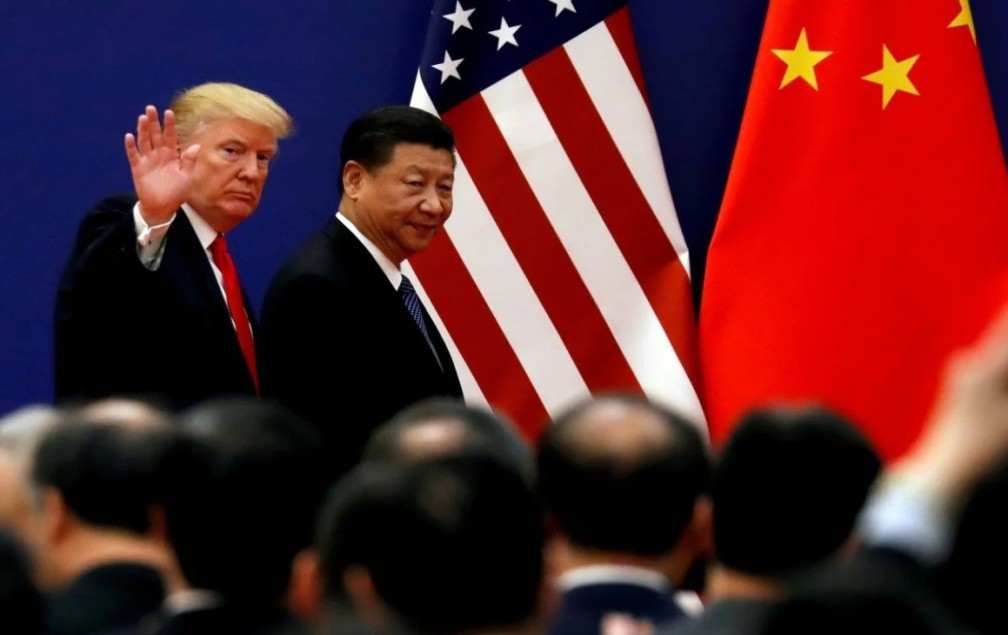
A high-level summit between the United States and China begins on May 14 in Beijing, with global attention focused on efforts to manage rising geopolitical tensions, particularly the Iran crisis and its impact on energy markets.
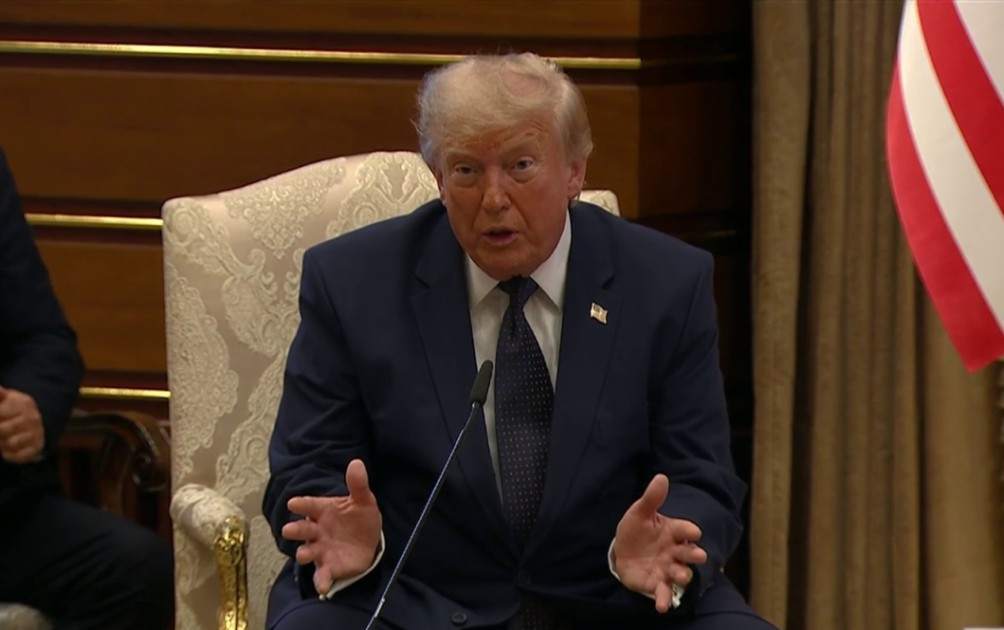
US President Donald Trump and Chinese President Xi Jinping are expected to hold two days of discussions aimed at stabilising relations between the world’s two largest economies.
Iran crisis pushes energy security to the top of the agenda
One of the most urgent issues on the table is the worsening situation involving Iran, which has raised concerns over regional stability and global oil supplies.
Diplomatic sources suggest Washington will press Beijing to play a greater role in encouraging de-escalation, while China is expected to prioritise energy security and regional stability over direct political alignment.
At the centre of concern is the Strait of Hormuz, a critical shipping route through which a significant share of global oil exports passes. Any disruption could have immediate consequences for global fuel prices.
Analysts say the situation has already added pressure to international energy markets, increasing uncertainty for both producers and import-dependent economies.
Energy stability a shared but sensitive priority
Energy security is expected to be one of the most practical areas of discussion between the two sides.
China, the world’s largest importer of crude oil, relies heavily on stable supply routes from the Middle East. The United States, meanwhile, has an interest in preventing sudden shocks to global oil prices and shipping flows.
However, despite shared concerns, analysts say coordination will be limited due to broader strategic competition between Washington and Beijing.
Trade tensions and technology restrictions remain unresolved
Alongside energy and security issues, the summit is also expected to address long-standing economic disagreements.
These include tariffs, export controls on advanced technologies such as semiconductors, and broader competition in artificial intelligence and manufacturing.
While both sides may signal willingness to reduce tensions, officials and analysts do not expect a major breakthrough in trade relations.
What each side wants from the talks
United States priorities:
- Encouraging China to support de-escalation efforts in the Iran crisis
- Stabilising global energy markets
- Limited progress on trade and tariff issues
China’s priorities:
- Ensuring stable access to Middle Eastern energy supplies
- Reducing pressure on its technology and industrial sectors
- Maintaining predictable relations with Washington
What outcomes are realistic?
Diplomatic observers suggest the summit is more likely to produce symbolic and incremental steps rather than major agreements.
Possible outcomes include:
- A joint statement calling for stability in the Middle East
- Small-scale trade or energy-related agreements
- Extension of existing pauses on some economic measures
- Agreement to continue high-level dialogue later in the year
No significant shifts are expected on core disputes such as Taiwan, technology restrictions, or long-term trade policy.
Analysis: managing rivalry rather than resolving it
Experts describe the meeting as a “stability-focused summit” rather than a transformative diplomatic breakthrough.
The primary goal, they say, is to prevent escalation on multiple fronts at once — from Middle East instability to trade friction — which could have wider consequences for the global economy.
Even limited progress, analysts argue, could help calm markets and reduce uncertainty at a time of heightened geopolitical risk.
The US–China summit in Beijing is taking place at a moment of heightened global tension. While expectations for major agreements remain low, the talks are seen as an important effort to manage risks tied to the Iran crisis, energy security, and ongoing economic rivalry between the two superpowers.
Stay Ahead of the News
Before Everyone Else
Major stories break every hour. Join our news community and receive instant alerts, viral headlines, and important updates the moment they happen.