By Nighat Fabian 🕒 Oct 29, 2024
Hezbollah Has Named Sheikh Naim Qassem As Its New Leader In Response to Conflict
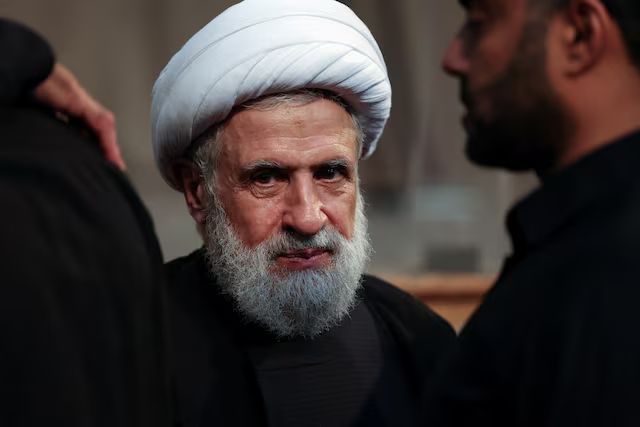
They shared that Hezbollah made the decision after the recent deaths of its former leader and a possible successor due to Israeli strikes.
Hezbollah has officially named Sheikh Naim Qassem as its new leader. This announcement came from media reports by Al Jazeera and Al-Arabiya on Tuesday. They shared that Hezbollah made the decision following the recent deaths of its former leader and a possible successor due to Israeli strikes.
Sheikh Naim Qassem, who is 71 years old, has been a key figure in Hezbollah for many years. He was the deputy to the late Hassan Nasrallah, who led Hezbollah until his death.
Since Nasrallah passed away, Qassem has been acting as the group’s leader. Hezbollah said they chose Qassem because he strongly believes in the group's principles and goals.
A New Era for Hezbollah
Qassem is one of the original members who helped create Hezbollah back in the early 1980s. His long experience and loyalty have made him a trusted figure within the group.
Recently, Qassem mentioned that Hezbollah’s armed wing is open to discussions about a ceasefire with Israel. This statement shows a willingness to seek peace, despite the ongoing conflicts.
The tensions between Israel and Hezbollah have been high, especially since Israel began military actions in Gaza.
This escalation started after Hamas launched a surprise attack on Israel on October 7 last year. In response, Israel has been targeting Hezbollah as part of its military operations. In September, Israel launched "Operation Northern Arrows," focusing on Hezbollah positions in southern Lebanon.
Israeli officials, including the Israel Defense Forces (IDF) and the Foreign Ministry, claimed they have "eliminated" most of Hezbollah’s top military leaders through recent airstrikes. These attacks have caused significant losses for Hezbollah.
One of the most notable losses was Hassan Nasrallah, who had been Hezbollah's secretary-general since 1992. He was killed in an airstrike in Beirut late last month. Soon after, another potential successor, Hashem Safieddine, was also killed in an attack, according to the IDF.
Since early October, Qassem has been living in Tehran, Iran. Reports suggest that he moved there from Lebanon because of fears that Israel might try to assassinate him. This move highlights the serious dangers that leaders of Hezbollah face in the current situation.
Hezbollah is known for its strong military presence and has often clashed with Israel. The group emerged in the 1980s during Lebanon’s civil war, and it has since become a powerful force in the region. Their involvement in conflicts is deeply tied to the political and military struggles in the Middle East.
The announcement of Qassem as the new leader comes at a critical time. Many people are watching closely to see how he will lead Hezbollah during this tense period. His experience and long-standing position in the group could play a significant role in how Hezbollah responds to Israel and its military actions.
Stay Ahead of the News
Before Everyone Else
Major stories break every hour. Join our news community and receive instant alerts, viral headlines, and important updates the moment they happen.