By Shanjid Shane 🕒 May 16, 2026
Putin Heads to China Days After Trump Visit, Raising Stakes in Global Power Politics
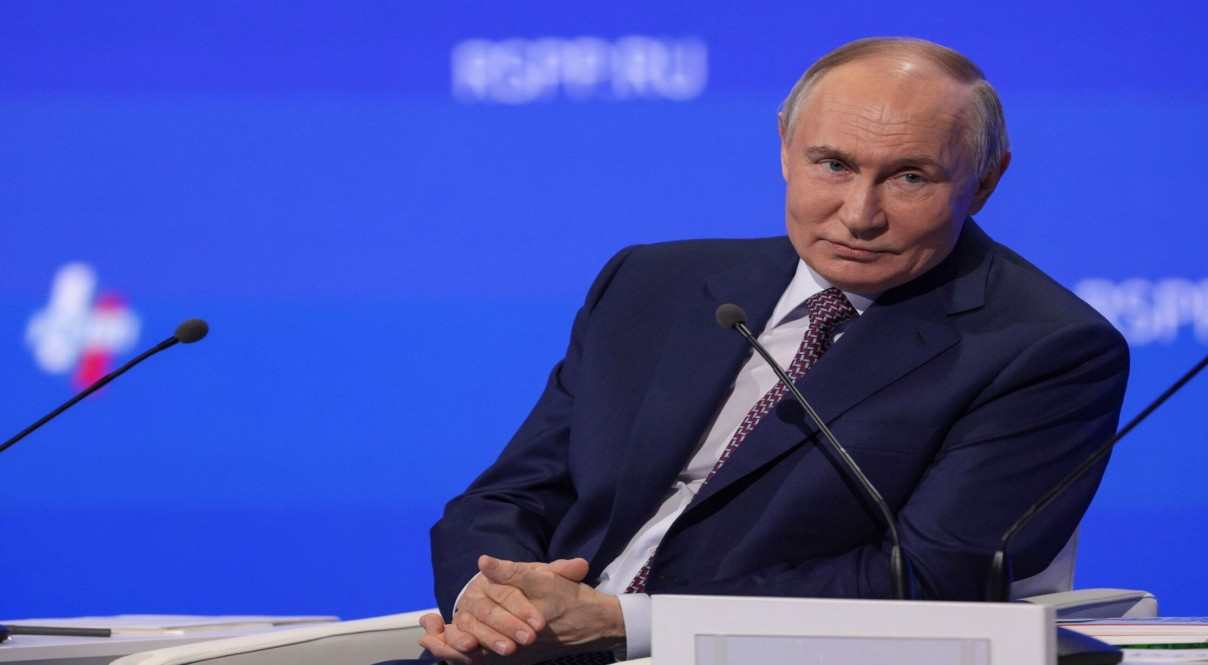
Russian President Vladimir Putin will visit China for a two-day summit with Xi Jinping, focusing on Ukraine, energy, trade, and global power shifts.
Putin Set for High-Stakes China Visit After Trump’s Beijing Trip
Russian President Vladimir Putin is scheduled to arrive in China on Tuesday for a two-day state visit that is already drawing global attention because of its timing and geopolitical significance.
The visit comes just days after U.S. President Donald Trump concluded meetings with Chinese President Xi Jinping in Beijing, placing China at the center of an increasingly complex global diplomatic balancing act.
According to the Kremlin, Putin will hold extensive talks with Xi Jinping on May 19 and 20, focusing on strategic cooperation, trade, energy, and international security issues, including the war in Ukraine.
The summit also marks the 25th anniversary of the Treaty of Good-Neighborliness and Friendly Cooperation signed between Russia and China in 2001 — a document both governments describe as the foundation of modern bilateral ties.
Why Putin’s China Visit Matters
The timing of Putin’s visit has become one of the most closely watched developments in international politics this month.
China hosted Trump only days earlier, leading analysts to view Beijing’s diplomacy as a signal that it intends to maintain influence with both Washington and Moscow despite rising tensions between the world’s major powers.
Political analyst Zhang Wei of the Shanghai Institute for International Studies said the sequencing of the meetings sends a clear message.
“China wants to show it can engage all major powers while protecting its own strategic interests,” Zhang said.
For Russia, the trip is particularly important as Moscow continues to face Western sanctions tied to the Ukraine war. China has become one of Russia’s largest economic partners since 2022, purchasing significant amounts of Russian oil and gas while expanding trade in local currencies.
Russia-China Partnership Deepens Since Ukraine War
The relationship between Moscow and Beijing has strengthened dramatically in recent years.
Shortly before Russia launched its invasion of Ukraine in February 2022, Putin and Xi declared a “no limits” partnership. Since then, Russia’s isolation from many Western markets has pushed it closer to China economically and diplomatically.
China has avoided openly supporting Russia’s military campaign, but Western governments accuse Beijing of helping Moscow withstand sanctions through trade, technology exports, and energy purchases.
Despite pressure from the United States and Europe, China has maintained that it remains neutral in the Ukraine conflict and supports diplomatic solutions.
Still, many analysts believe Beijing sees strategic value in keeping Russia economically stable.
“China does not want a collapsed Russia on its northern border,” said Eurasia analyst Michael Clarke. “But it also wants to avoid direct confrontation with the West.”
Energy and Trade Expected to Dominate Talks
Putin China Visit Likely to Focus on Energy Cooperation
Energy cooperation is expected to be one of the central topics during the summit.
Russia has become one of China’s largest energy suppliers, particularly after European countries reduced imports of Russian oil and natural gas following the Ukraine invasion.
Officials are expected to discuss the proposed Power of Siberia 2 pipeline project, which would transport additional Russian gas to China through Mongolia. The project has been under negotiation for years and carries major economic importance for Moscow.
The two sides are also expected to discuss:
- Expanding trade settlements in yuan and rubles
- Banking cooperation outside Western financial systems
- Technology and industrial partnerships
- Supply chain coordination
Trade between Russia and China has reached record levels over the past two years, according to official figures from both governments.
Taiwan, NATO and Global Security Concerns
Security issues are also expected to feature heavily during the meetings.
China and Russia have increasingly aligned their positions against what they describe as U.S.-led global dominance. Both governments frequently criticize NATO expansion and Western sanctions policies.
Russia has publicly supported China’s stance on Taiwan, while Beijing has backed Moscow against Western pressure over Ukraine.
Military cooperation between the two countries has expanded through joint naval exercises, strategic bomber patrols, and defense coordination.
Although China and Russia are not formal military allies, experts say their strategic partnership now resembles a powerful geopolitical bloc challenging Western influence.
Trump’s Recent China Visit Adds New Dimension
Putin’s arrival in Beijing immediately after Trump’s visit has intensified speculation about China’s long-term diplomatic strategy.
While Trump and Xi reportedly discussed trade stability and broader U.S.-China relations, few major breakthroughs were announced publicly.
Analysts believe Xi may now seek to reassure Putin that improved communication with Washington does not weaken China’s ties with Moscow.
The optics of hosting both leaders within days of each other also strengthen China’s image as a central player in global diplomacy.
Growing Signs of a Multipolar World
The Putin-Xi summit reflects broader global shifts that have accelerated since the Ukraine war and growing U.S.-China tensions.
Russia and China have increasingly promoted a “multipolar world order,” arguing that global power should no longer be dominated by the United States and its allies.
That vision includes stronger roles for organizations such as:
- BRICS
- The Shanghai Cooperation Organisation
- Alternative international payment systems
Many developing nations in Asia, Africa, and Latin America have shown growing interest in these emerging political and economic blocs.
Challenges Beneath the Partnership
Despite the public display of unity, experts caution that the relationship between Russia and China is not without tension.
China’s economy is far larger than Russia’s, making Moscow increasingly dependent on Beijing for trade, technology, and financial access.
Some analysts believe Russia risks becoming the junior partner in the relationship — a position the Kremlin historically tried to avoid.
At the same time, China remains deeply connected to Western markets and global finance, limiting how far it can go in openly supporting Moscow without risking economic consequences.
What the World Will Watch During the Summit
Global attention will likely focus on several key areas during Putin’s visit:
- Any announcements on new energy deals
- Statements regarding Ukraine and NATO
- Expanded financial cooperation
- Language related to Taiwan and Asia-Pacific security
- Signals about future Russia-China military coordination
Diplomatic observers will also closely examine the tone of joint statements released after the meetings.
FAQ
Why is Putin visiting China now?
Putin’s visit comes shortly after Donald Trump’s trip to Beijing and amid growing global tensions surrounding Ukraine, trade, and security alliances.
What will Putin and Xi discuss?
The leaders are expected to discuss energy cooperation, trade, Ukraine, Taiwan, sanctions, and broader strategic coordination.
What is the Power of Siberia 2 project?
It is a proposed gas pipeline that would transport additional Russian natural gas to China through Mongolia.
Is China supporting Russia in the Ukraine war?
China says it remains neutral, but Western governments accuse Beijing of helping Russia economically and technologically.
Why is this visit globally significant?
The summit highlights the growing Russia-China partnership and China’s expanding role as a global diplomatic power.
Stay Ahead of the News
Before Everyone Else
Major stories break every hour. Join our news community and receive instant alerts, viral headlines, and important updates the moment they happen.