By Shanjid Shane 🕒 May 15, 2026
India-UAE Defence Pact Signals Major Gulf Shift as Iran War Tensions Rise
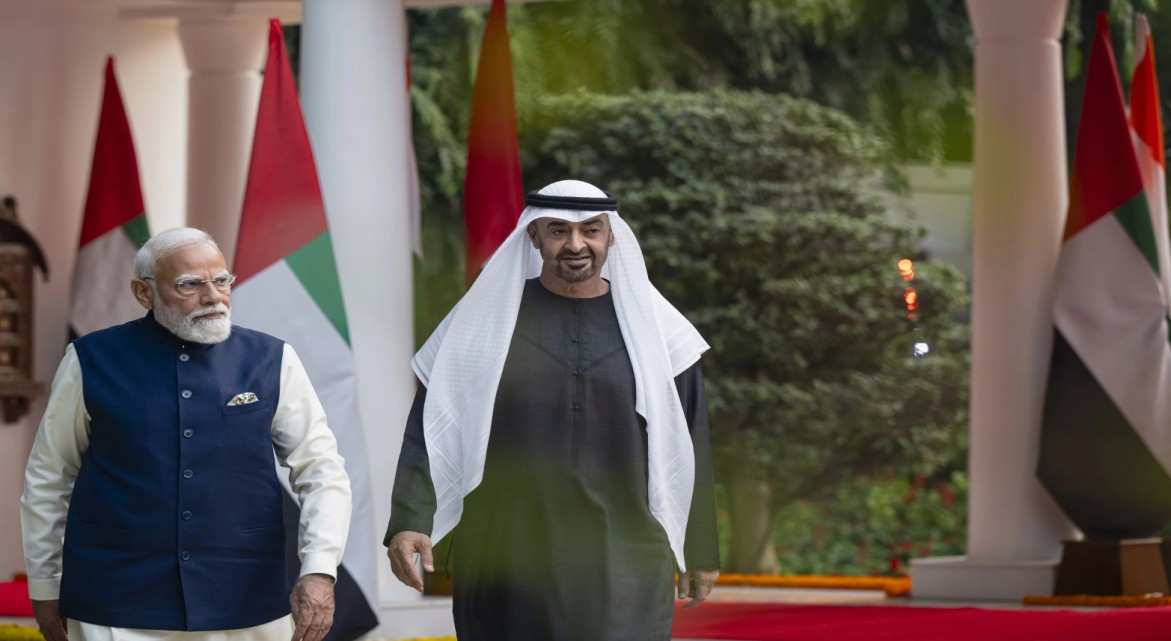
India and UAE sign major defence and energy agreements as Iran war tensions threaten Gulf security, oil routes, and regional alliances.
India-UAE Defence Pact Signals New Strategic Era Amid Iran Crisis
India and the United Arab Emirates have signed a series of major defence and energy agreements during Prime Minister Narendra Modi’s visit to Abu Dhabi, marking one of the most significant upgrades in ties between the two countries in recent years.
The agreements come at a sensitive moment for the Middle East, as rising Iran war tensions continue to unsettle Gulf security, global oil markets, and maritime trade routes.
The new partnership focuses on defence cooperation, energy security, maritime protection, and strategic investments — areas that have become increasingly important as instability spreads across the region.
Indian officials described the agreements as a “forward-looking strategic partnership,” while UAE leaders emphasized the need for regional stability and stronger international cooperation.
What India and UAE Agreed To
The centrepiece of the visit was a new Strategic Defence Partnership Framework between the two countries.
According to officials familiar with the talks, the agreement includes cooperation in:
- Defence manufacturing
- Cybersecurity and military technology
- Joint military exercises
- Maritime security operations
- Intelligence sharing
- Secure communications systems
The two countries also signed agreements related to energy storage, oil reserves, and long-term liquefied petroleum gas (LPG) supplies.
The UAE is expected to expand its role in India’s strategic petroleum reserve system, helping New Delhi secure emergency energy supplies if regional tensions worsen.
“This partnership reflects shared concerns over regional security and economic stability,” an Indian official said during the visit.
Why the Iran War Is Driving Urgency
Strait of Hormuz Remains a Major Concern
Much of the urgency behind the agreements is linked to instability around the Strait of Hormuz — one of the world’s most critical energy shipping routes.
A large share of India’s crude oil and gas imports passes through the narrow waterway.
With the ongoing Iran conflict increasing fears of shipping disruptions, governments across Asia have become increasingly concerned about supply interruptions and rising energy costs.
Oil prices have already shown signs of volatility in recent weeks, while shipping insurance costs in the Gulf have climbed sharply.
Security analysts say India is attempting to reduce its exposure to future disruptions by deepening ties with trusted Gulf partners.
“India’s economy is heavily dependent on Gulf energy flows,” said regional security analyst Farah Rahmani. “Any prolonged disruption in Hormuz could have immediate economic consequences for South Asia.”
UAE Strengthens Security Partnerships
For the UAE, the agreements reflect a broader shift in regional defence strategy.
The Gulf nation has traditionally relied heavily on Western security guarantees, particularly from the United States. But recent regional conflicts have pushed Abu Dhabi to diversify its strategic partnerships.
The UAE has increasingly expanded military and economic ties with countries including India, France, and Israel.
Regional experts say the latest defence pact signals the UAE’s desire to build stronger long-term security networks beyond traditional alliances.
Recent drone and missile threats linked to the Iran conflict have also heightened concerns over critical infrastructure protection, including ports, oil facilities, airports, and shipping corridors.
India’s Balancing Act in the Middle East
Despite strengthening ties with Gulf states, India continues to maintain diplomatic relations with Iran.
New Delhi has historically viewed Tehran as strategically important for regional trade access and energy diversification.
That balancing act, however, is becoming more difficult as tensions across the Middle East deepen.
India has close economic and security ties with:
- The UAE
- Saudi Arabia
- Israel
- The United States
At the same time, it has tried to preserve working relations with Iran.
Analysts say the latest agreements may increase pressure on India to navigate increasingly competing regional interests.
“India is trying to maintain strategic flexibility,” said political analyst Omar Siddiqui. “But regional polarization is making neutrality harder to sustain.”
Economic and Energy Cooperation Expands
Beyond defence, the visit also highlighted growing economic ties between India and the UAE.
Bilateral trade between the two countries has crossed $100 billion annually, making the UAE one of India’s most important economic partners in the Gulf.
Officials announced plans for additional investments in:
- Infrastructure
- Financial services
- Logistics
- Renewable energy
- Maritime development
Energy cooperation remains a central pillar of the relationship.
India is one of the world’s largest energy importers, while the UAE remains a key supplier of crude oil and LNG.
The new agreements aim to strengthen supply stability during periods of geopolitical uncertainty.
Regional Impact Could Extend Beyond Gulf
Defence Pact Reflects Wider Geopolitical Changes
Experts say the India-UAE agreements are part of a larger transformation taking place across the Middle East.
Traditional political alliances are increasingly being replaced by flexible security partnerships focused on:
- Maritime protection
- Energy security
- Cyber defence
- Supply chain resilience
- Advanced military technology
The agreements also come as global powers including China, Russia, and the United States compete for influence across the region.
Some analysts believe India is emerging as a more important strategic actor in West Asia due to:
- Its growing economy
- Expanding naval capabilities
- Large expatriate population in the Gulf
- Stable diplomatic ties across rival regional blocs
Modi Receives High-Level Welcome in Abu Dhabi
Prime Minister Narendra Modi received a ceremonial welcome during his visit, underscoring the growing closeness between the two nations.
UAE President Sheikh Mohamed bin Zayed Al Nahyan personally greeted Modi upon arrival.
The visit included high-level meetings focused on regional security, trade, investment, and long-term strategic cooperation.
Officials from both sides described the talks as “productive” and “future-oriented.”
FAQ
Why did India and UAE sign a defence pact?
India and the UAE signed the agreement to strengthen cooperation in defence, maritime security, cybersecurity, and energy protection amid rising instability in the Middle East.
How does the Iran conflict affect India?
India imports a large amount of oil and gas through the Strait of Hormuz. Any disruption caused by regional conflict could impact fuel supplies, prices, and economic stability.
What is included in the India-UAE agreement?
The agreements include defence cooperation, joint military exercises, intelligence sharing, energy storage partnerships, and long-term fuel supply arrangements.
Why is the Strait of Hormuz important?
The Strait of Hormuz is one of the world’s busiest energy shipping routes. A significant portion of global oil exports passes through it every day.
Will the agreement affect India-Iran relations?
The agreement may complicate India’s diplomatic balancing strategy, but India continues to maintain ties with Iran while strengthening partnerships with Gulf states.
Stay Ahead of the News
Before Everyone Else
Major stories break every hour. Join our news community and receive instant alerts, viral headlines, and important updates the moment they happen.