By Shanjid Shane 🕒 May 15, 2026
EU and 36 Nations Back Special Court to Prosecute Russia Over Ukraine War
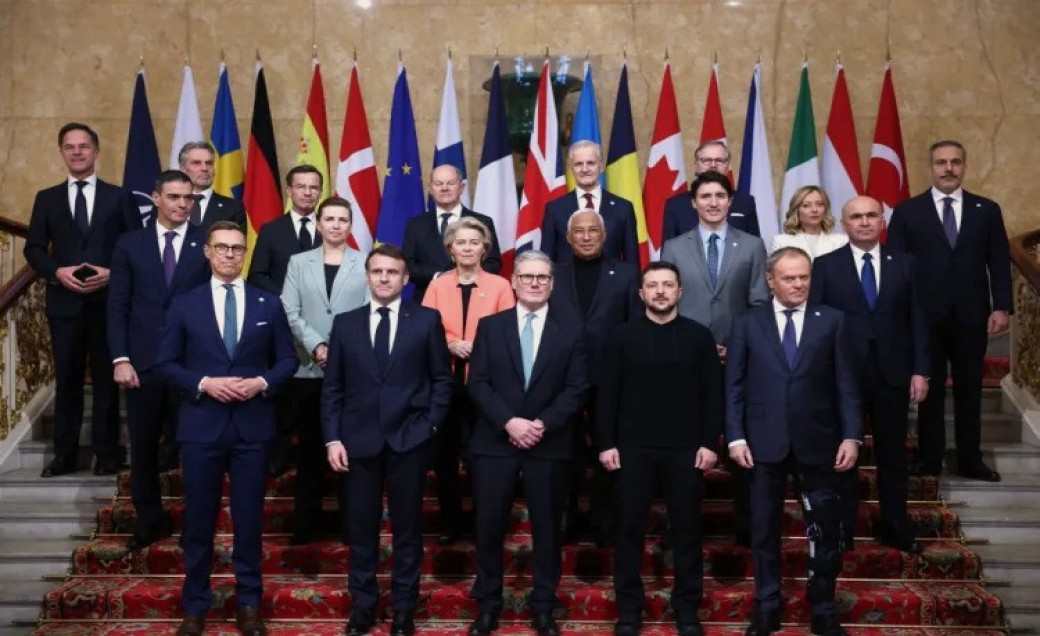
The EU and 36 countries agreed to create a special tribunal to prosecute Russia’s aggression against Ukraine, targeting senior political leaders.
The European Union and 36 countries have agreed to establish a special international tribunal aimed at prosecuting Russia’s leadership over the invasion of Ukraine, marking a major escalation in global legal efforts surrounding the war.
The agreement was reached during a Council of Europe meeting in Chișinău, Moldova, where participating nations endorsed plans for what officials describe as a “special tribunal for the crime of aggression against Ukraine.”
The move is being viewed as one of the most significant developments in international criminal justice in decades.
European leaders say the court will focus on those most responsible for launching the war, including senior political and military officials. Although no names were officially announced, Russian President Vladimir Putin is widely expected to be among the figures potentially targeted under the tribunal’s framework.
Why the Special Tribunal Matters
The proposed court is designed to address a legal gap that existing international institutions cannot fully cover.
The International Criminal Court (ICC) is already investigating allegations of war crimes and crimes against humanity linked to the conflict in Ukraine. However, prosecuting the specific “crime of aggression” presents legal complications because Russia is not a member of the ICC.
Under current international law, the ICC generally requires either state membership or a referral from the United Nations Security Council to prosecute aggression cases. Russia’s veto power at the Security Council effectively blocks that route.
That limitation led European governments and Ukraine to push for a separate legal mechanism.
“The international community is sending a clear signal that initiating a war of aggression cannot remain without consequences,” one European diplomat involved in the negotiations said following the agreement.
What Is the Crime of Aggression?
The crime of aggression refers to the planning, preparation, initiation, or execution of a war that violates the United Nations Charter.
Legal experts often compare the initiative to the post-World War II Nuremberg trials, where Nazi leaders were prosecuted for launching aggressive war.
Supporters of the new tribunal argue that accountability for the invasion itself is just as important as prosecuting battlefield atrocities.
The court is expected to operate independently from the ICC and will likely be based in The Hague, home to several international judicial institutions.
Challenges Facing the Tribunal
Despite the political momentum behind the initiative, legal experts say major obstacles remain.
The tribunal would not have its own enforcement force and would rely on member states to arrest suspects. As long as Russian officials remain inside Russia or allied countries, actual prosecutions could prove difficult.
Questions also remain over immunity protections for sitting heads of state and senior officials.
Some international law scholars argue that pursuing active leaders could trigger prolonged legal battles over jurisdiction and diplomatic immunity.
Russia has repeatedly rejected international accusations linked to the war and has accused Western governments of politicizing international law.
Europe Signals Long-Term Support for Ukraine
The agreement also carries strong geopolitical symbolism.
By supporting the tribunal, European countries are signaling that accountability will remain part of the broader international response to the war, alongside military and financial aid for Ukraine.
Ukrainian officials welcomed the decision, calling it a historic step toward justice.
“This is about protecting international law and ensuring future aggressors understand there are consequences,” a Ukrainian representative said during discussions surrounding the agreement.
The next stage will involve finalizing the tribunal’s legal structure, funding arrangements, staffing, and operational procedures before formal proceedings can begin.
Growing International Pressure on Russia
The tribunal initiative comes amid continued fighting in Ukraine and increasing diplomatic pressure on Moscow across Europe and North America.
Since Russia launched its full-scale invasion in February 2022, Western governments have imposed sweeping sanctions while international investigators have documented thousands of alleged violations involving civilian infrastructure, deportations, and attacks on residential areas.
Legal observers say the special tribunal could become a defining test for modern international justice systems.
Whether it ultimately succeeds may depend not only on legal authority, but also on future geopolitical shifts and international cooperation.
FAQ
What is the special tribunal for Ukraine?
It is a proposed international court designed to prosecute the “crime of aggression” related to Russia’s invasion of Ukraine.
Why can’t the ICC handle this case alone?
The ICC faces jurisdictional limits because Russia is not a member state, and Russia can block UN Security Council referrals.
Who could face prosecution?
The tribunal is expected to target senior Russian political and military leaders believed to be responsible for launching the invasion.
Where will the tribunal be located?
Officials expect the tribunal to be based in The Hague in the Netherlands.
Can the tribunal arrest Russian leaders?
The court itself would not have police powers and would rely on cooperating countries to enforce arrest warrants.
Stay Ahead of the News
Before Everyone Else
Major stories break every hour. Join our news community and receive instant alerts, viral headlines, and important updates the moment they happen.