By Shanjid Shane 🕒 Nov 15, 2023
Shutdown may occur in the US Govt if new funding bill is not passed
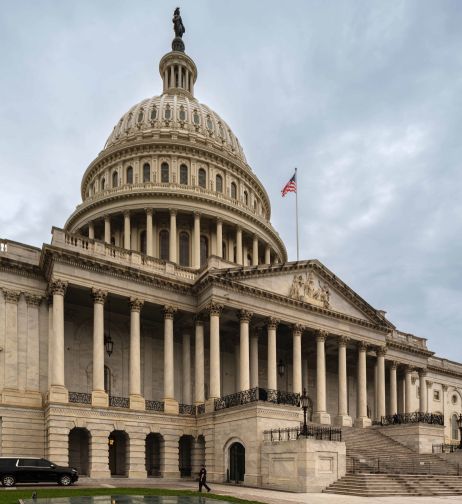
If a new funding bill is not passed and signed, a shutdown may occur on Saturday, resulting in potential impacts on Social Security and other programs. If the federal government shuts down on Saturday, many publicly funded agencies will cease operations and their employees will not receive payment. However, Social Security checks will continue to be distributed.
Social Security is categorized as a mandatory program and is not dependent on the shorter-term appropriations bills passed by Congress and the president. As a result, the shutdown does not impact its operations or funding.
This is crucial for a significant portion of the population, as approximately 67 million individuals receive monthly Social Security benefits, as reported by the Social Security Administration. These benefits are primarily received by retirees but also extend to individuals with disabilities and dependents of deceased beneficiaries.
During a government shutdown, Medicare and Veterans Affairs benefits will still be dispersed. However, if Congress fails to pass a funding bill by 12:01 a.m. ET Saturday, the federal government will shut down. There is a slim majority of Republicans in the House, with a group of hard-line conservatives advocating for significant reductions in government expenditure.
President Joe Biden and the Democrats, who maintain control of the Senate, are opposed to these proposed cuts.
During a shutdown, certain actions deemed "nonessential" would cease, resulting in 4 million federal employees not receiving their paychecks. Some personnel, including members of the military, would continue working without compensation, with the assurance of receiving back pay once a new funding bill is enacted into law. Conversely, other federal employees would be placed on furlough and would not be required to report to work.
Moreover, a government shutdown would lead to the suspension of various federal programs and services. The Biden administration had previously stated in September, when a shutdown seemed imminent, that the Special Supplemental Nutrition Program for Women, Infants, and Children (WIC) would cease operations within a day or two of the shutdown. Agriculture Secretary Tom Vilsack mentioned that a few states might be able to sustain their programs for a slightly longer duration.
The focus of the WIC program is to assist low-income pregnant and postpartum women, as well as children under 5 years old, in accessing healthier food options. In 2022, over 6 million individuals, including approximately 39% of all U.S. infants, benefited from the WIC program on a monthly basis, as reported by the Agriculture Department.
In addition to potential harm to individuals, a prolonged government shutdown could also negatively impact the economy. The longest recorded shutdown took place from December 22, 2018, to January 25, 2019, lasting 35 days. The Congressional Budget Office estimated that this shutdown directly cost the U.S. economy at least $11 billion, with additional indirect costs that were more challenging to measure.
It is important not to confuse a government shutdown with a debt ceiling standoff. Earlier this year, the United States reached its borrowing limit, known as the debt ceiling. A prolonged standoff could have resulted in Social Security checks being halted. However, after a prolonged impasse, congressional Republicans and Democrats reached a consensus to prevent this from occurring.
Accorning to NBC News.
Stay Ahead of the News
Before Everyone Else
Major stories break every hour. Join our news community and receive instant alerts, viral headlines, and important updates the moment they happen.