The US and Japan sign a groundbreaking new deal
Today, the United States and Japan signed a major defense cooperation deal that expands joint missile production, military drills, and supply chain collaboration.
2 hours ago
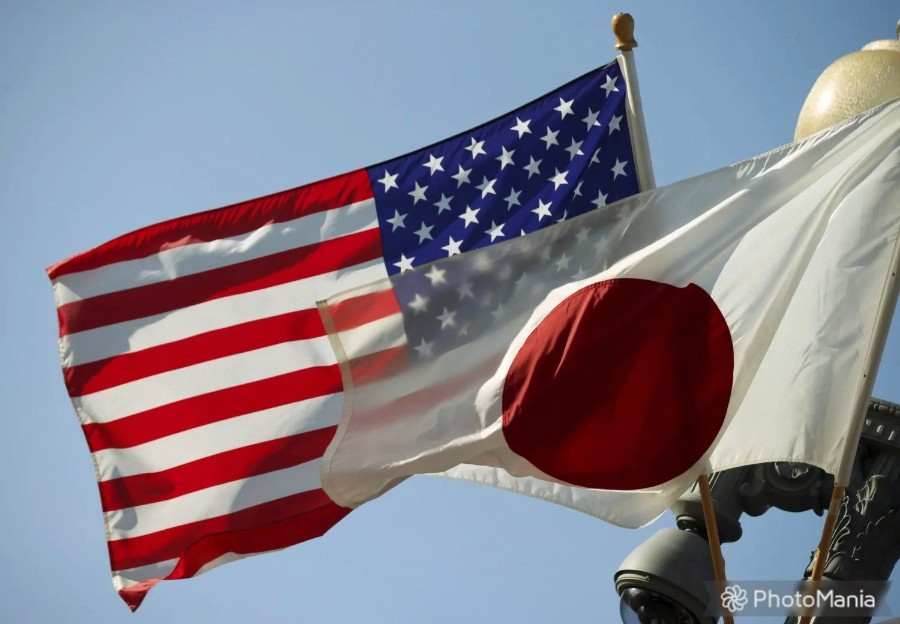
The agreement is widely seen as a strategic response to China’s growing pressure in the region.
More topics for you...This topic continues below.
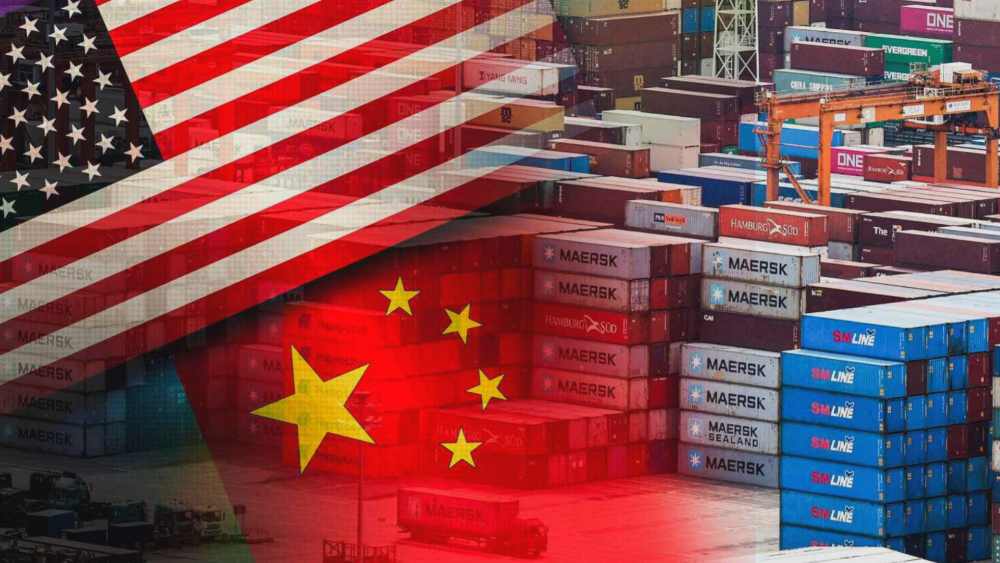
China reports record $1.2 trillion trade surplus for 2025, defying Trump's tariffs.
This is a significant milestone in the defense partnership between the US and Japan, representing Japan’s most proactive military alignment with Washington in many years. It enhances deterrence against China, but it also heightens the risks for security in the region.
📰 Key Highlights of the Deal
Joint Missile Production: The US and Japan will co-develop and produce advanced defense equipment, including missiles, strengthening Japan’s military capabilities and interoperability with US forces.
Expanded Military Presence: Both nations agreed to increase military activities in waters southwest of mainland Japan, a region close to Taiwan and contested areas in the East China Sea.
Supply Chain Security: The deal includes cooperation on critical minerals and defense supply chains, aiming to reduce dependency on China and ensure resilience in strategic industries.
High-Level Meeting: The agreement was finalized after talks between Japanese Defense Minister Shinjiro Koizumi and US Defense Secretary Pete Hegseth in Washington.
🌏 Geopolitical Context
China Factor: The deal comes amid China’s increasing military pressure on Japan and Taiwan. Japan has been vocal about potential intervention if China attacks Taiwan, which has heightened tensions.
Regional Security: This agreement signals a deepening US-Japan alliance and positions Japan as a more proactive military partner in the Indo-Pacific, aligning with Washington’s broader strategy to counterbalance Beijing’s influence.
Domestic Implications in Japan: Japan’s move reflects a shift away from its traditionally pacifist stance, as Prime Minister Sanae Takaichi has taken a tougher line on regional security.
📊 Why This Matters
| Aspect | Impact |
|---|---|
| Military Strength | Enhances Japan’s defense capabilities and joint readiness with US forces. |
| Regional Stability | Raises deterrence against China but risks escalating tensions. |
| Economic Security | Strengthens supply chains for critical minerals, reducing reliance on China. |
| Diplomatic Signal | Shows Japan’s willingness to take a more assertive role in Indo-Pacific security. |
China may respond with military drills or economic retaliation, increasing regional instability.
The deal could spark political controversy at home, given Japan’s constitutional limits on military action.
Building resilient supply chains will take time and may face cost and resource constraints.