Jamaat Published Charter for Religious Rights, Promising Equal Belonging for All Citizens
A new “Charter for Religious Rights” is being published as a bold statement of unity, safety, and equal citizenship for everyone in Bangladesh, regardless of religion or background.
1 day ago
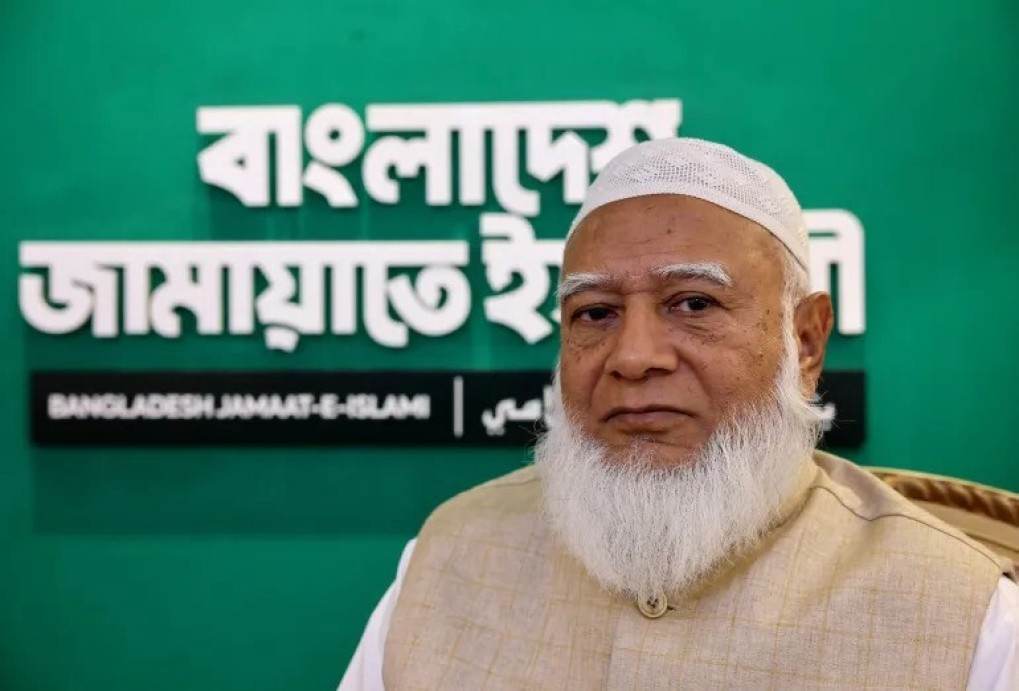
Inspired by the Prophet Muhammad’s (sm) historic Charter of Medina and modern global human rights principles, the charter aims to reassure every citizen that they belong fully and equally in the nation. Its message is simple: no one should feel like a second-class citizen because of their faith, ethnicity, or community.
A promise rooted in justice and dignity
The Charter begins by stressing justice, human dignity, and shared responsibility. It says Bangladesh’s strength lies in protecting all its people—Muslims and non-Muslims alike—just as the Charter of Medina once protected diverse communities living together.
By blending Islamic moral values with international human rights standards, the Charter presents itself as a bridge between faith and modern democracy.
Equal citizenship for everyone
At the heart of the Charter is a clear declaration: every person in Bangladesh is an equal citizen.
This means equal rights under the law, equal protection by the state, and equal access to education, jobs, courts, and public services. Religion or background, the Charter says, must never be a reason for discrimination. The message is direct and reassuring: you belong here.
Freedom of Religion
The Charter strongly defends freedom of religion. People have the right to follow their faith, practice their rituals, and pass on their beliefs to their children.
No one can be forced to convert. Places of worship, religious schools, and community traditions are to be respected and protected, as long as they follow the law. Faith, the Charter emphasizes, must be a personal choice, not a source of fear.
Zero tolerance for hate and violence
One of the strongest sections of the Charter deals with safety.
It states that the government has a duty to protect people from hate speech, mob violence, and attacks targeting religious communities. Forcing families out of their homes because of their identity is clearly condemned.
To ensure justice, the Charter proposes fast-track courts for cases involving communal violence, so victims are not left waiting for years while offenders go free.
Fair chances in jobs and public life
The Charter also focuses on everyday realities—jobs, income, and representation.
It calls for fair inclusion of religious minorities in government jobs, the police, public offices, and even Parliament. Special development programs and transparent quotas are suggested to help communities that have long been left behind.
The idea is to move beyond promises and make representation real.
Protecting culture, language, and heritage
Language, music, traditions, and sacred places are described as national treasures.
The Charter commits the state to protecting minority languages, cultural practices, temples, churches, monasteries, and burial grounds. These are not seen as “minority issues” but as part of Bangladesh’s shared heritage.
Cultural survival, the document states clearly, is a right—not a favor.
A new platform for dialogue and peace
To prevent conflict before it starts, the Charter proposes a National Interfaith Harmony and Mediation Council.
This council would bring together Muslim scholars, Hindu, Christian, Buddhist leaders, and indigenous representatives. Its role would be to listen to grievances, mediate disputes peacefully, and advise the state on maintaining harmony.
The goal is trust through conversation, not silence or fear.