By Shanjid Shane 🕒 May 14, 2026
Thailand plans to cut visa-free tourist stay to 30 days: What it means for travellers
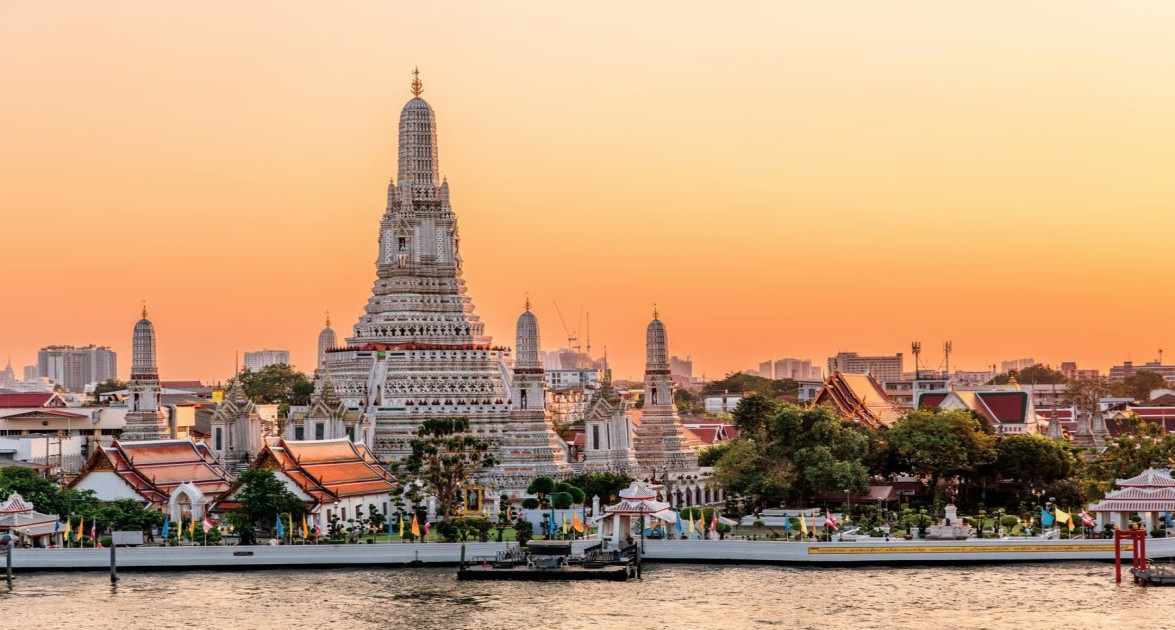
Thailand is preparing to reduce its visa-free stay period for foreign tourists from 60 days to 30 days, marking a significant shift in the country’s post-pandemic tourism strategy.
The proposed rollback, confirmed by Thai officials in May 2026, would affect travellers from 93 countries and territories currently eligible for visa exemption entry. Authorities say the move is intended to curb illegal work, visa abuse and criminal activity linked to long-term stays under tourist status.
The policy change has sparked debate across Southeast Asia’s tourism industry, with supporters arguing tighter rules are needed to improve immigration oversight, while critics warn it could discourage long-stay visitors and digital nomads who have helped fuel Thailand’s tourism recovery.
Why is Thailand changing its visa-free policy?
Thailand expanded its visa-free programme in July 2024, allowing visitors from dozens of countries to remain in the country for up to 60 days without a visa.
The measure was introduced as part of a broader effort to revive the tourism sector after the Covid-19 pandemic and to attract higher numbers of international travellers.
But Thai authorities now say the policy has produced unintended consequences.
Officials have cited concerns that some foreigners were:
- working illegally
- operating unlicensed businesses
- overstaying through repeated “visa runs”
- engaging in online scams and criminal networks
Thailand’s tourism and immigration authorities say many travellers were effectively using the visa exemption system as a way to live semi-permanently in the country without obtaining proper work or long-stay visas.
According to government data, the vast majority of tourists spend far less than 30 days in Thailand, with the average stay estimated at around nine days.
That has strengthened the government’s argument that a shorter visa-free period would affect only a small proportion of genuine holidaymakers.
Digital nomads and long-stay travellers under pressure
The proposed reduction is expected to have the biggest impact on:
- digital nomads
- remote workers
- backpackers
- retirees
- long-stay tourists
Thailand became one of the world’s most popular destinations for remote workers during and after the pandemic because of:
- relatively low living costs
- strong tourism infrastructure
- warm climate
- flexible entry rules
Many visitors relied on repeated visa-free entries or short-term extensions to remain in the country for several months at a time.
The Thai government now appears to be encouraging those travellers to use formal long-term visa programmes instead, including:
- the Destination Thailand Visa (DTV)
- Long-Term Resident (LTR) visas
- Smart Visa schemes for professionals and investors
Immigration analysts say the policy signals a broader shift away from informal long-stay tourism toward tighter migration management.
Concerns over illegal businesses and organised crime
Thai officials have increasingly linked the visa exemption system to transnational crime and underground business operations.
Authorities have raised concerns over:
- cybercrime syndicates
- online fraud networks
- money laundering
- illegal tour operations
- foreign-owned businesses operating through nominee structures
Several high-profile crackdowns in tourist hotspots such as Phuket, Pattaya and Bangkok intensified pressure on the government to tighten immigration rules.
The issue has also become politically sensitive inside Thailand, where some local businesses and workers complain that foreign operators are competing unfairly with Thai citizens.
Tourism industry divided over proposed changes
The tourism sector has reacted cautiously to the proposal.
Some industry groups support tighter screening measures, arguing they could improve Thailand’s international reputation and reduce illegal activity.
Others fear stricter entry rules could weaken Thailand’s competitiveness against regional rivals including:
- Vietnam
- Malaysia
- Indonesia
Travel businesses are particularly concerned about the effect on:
- European winter tourists
- long-stay retirees
- budget travellers
- remote workers
Critics argue Thailand risks undermining its image as one of Asia’s most accessible and visitor-friendly destinations.
Is the new 30-day visa-free rule already active?
Not yet.
Thai officials have confirmed the proposal is being prepared for Cabinet approval, but no final implementation date has been officially announced.
Until the new policy is formally adopted, the existing 60-day visa-free arrangement remains in place.
Travellers planning trips to Thailand are being advised to:
- monitor official immigration announcements
- check embassy guidance before departure
- confirm airline boarding requirements
What could happen next?
If approved, analysts expect Thailand to introduce:
- a 30-day visa-free limit
- continued access to 30-day extensions in some cases
- stricter monitoring of repeated entries
- tighter enforcement against visa abuse
The move would align with a wider trend across Asia, where governments are attempting to balance tourism growth with concerns over immigration control, housing pressure and illegal employment.
Thailand’s broader tourism strategy
Tourism remains one of Thailand’s most important industries.
Before the pandemic, the country welcomed nearly 40 million international visitors annually. While arrivals have recovered strongly, authorities are increasingly promoting what they describe as “quality tourism” — focusing on higher-spending visitors rather than simply maximising tourist numbers.
The proposed visa policy reflects that changing strategy.
Thailand is still positioning itself as a major global tourism hub, but with clearer boundaries between short-term tourism and long-term residence.
Stay Ahead of the News
Before Everyone Else
Major stories break every hour. Join our news community and receive instant alerts, viral headlines, and important updates the moment they happen.