By Shanjid Shane 🕒 May 13, 2026
Trump Administration Eases Tough US Entry Rules Ahead of 2026 FIFA World Cup
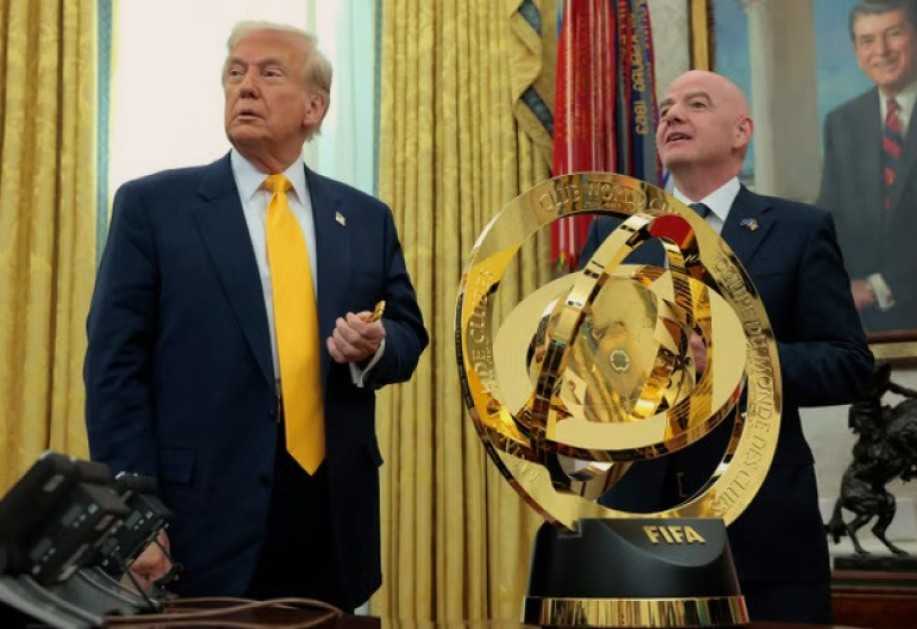
Foreign football fans travelling to the United States for the 2026 FIFA World Cup will no longer have to pay controversial visa “bond” fees, after the Trump administration announced an exemption for eligible ticket holders.
The decision follows months of criticism from football supporters, tourism groups and immigration advocates, who warned that the policy risked excluding fans from poorer nations and damaging the image of a tournament expected to draw millions of visitors.
Under the earlier policy, some travellers from countries with high US visa overstay rates could have been asked to deposit between $5,000 and $15,000 as a condition of receiving a tourist visa.
The administration said confirmed World Cup ticket holders who registered through FIFA’s official visa-processing system before the April deadline would now be exempt from those payments.
The United States is co-hosting the 2026 World Cup alongside Canada and Mexico. It will stage the majority of the tournament’s matches, including the final.
Why the visa bond policy caused controversy
The visa bond programme was introduced as part of a broader Trump administration immigration strategy aimed at reducing visa overstays.
US officials argued that refundable bonds would encourage visitors to leave the country before their visas expired. Travellers who complied with visa conditions would receive the money back, while those who overstayed could lose the deposit.
Critics, however, said the measure effectively created a financial barrier that many football supporters could never afford.
Several African nations expected to compete at the tournament — including Algeria, Senegal, Tunisia, Côte d’Ivoire and Cabo Verde — were among the countries reportedly affected by the policy.
For many supporters in those countries, the proposed bond amount exceeded average annual incomes.
Football fan groups warned that the policy threatened to turn the World Cup into an event accessible mainly to wealthier travellers.
FIFA and tourism industry pressure
The exemption appears to reflect growing concern within the tourism and sports industries about the wider impact of strict immigration policies on the tournament.
The 2026 World Cup will be the largest in FIFA history, featuring 48 teams and millions of international visitors.
US host cities are expected to benefit from billions of dollars in tourism spending through hotels, restaurants, transport and entertainment.
Industry leaders reportedly feared that uncertainty around visas and entry requirements could discourage fans from attending matches in the United States.
FIFA has long insisted that host nations must ensure supporters and participating countries can travel freely to major tournaments.
During the original bidding process for the 2026 World Cup, questions over US immigration policy were already seen as a sensitive issue.
What the exemption covers
According to US officials, the waiver applies only to certain fans who:
- already possess confirmed World Cup tickets
- registered through FIFA’s designated visa system
- completed the process before the administration’s deadline
The exemption does not guarantee entry into the United States.
Travellers must still:
- apply for visas
- pass security screening
- complete immigration checks
- comply with standard US entry requirements
Officials have stressed that a match ticket is not equivalent to visa approval.
Wider immigration concerns remain
Although the visa bond exemption removes one major obstacle, broader concerns surrounding US immigration policy remain.
The Trump administration has continued to expand immigration enforcement measures, including stricter visa vetting and wider travel restrictions.
Some advocacy organisations have warned that international visitors may still face uncertainty when entering the country during the tournament.
There are also concerns about long visa processing times at US embassies and consulates ahead of the World Cup.
Analysts say the tournament is becoming an important test of how the United States balances national security policies with the demands of hosting a major global sporting event.
The issue may carry significance beyond football. The US is also preparing to host other major international events, including the 2028 Los Angeles Olympics.
For now, the administration’s decision offers relief to many supporters who feared the cost of attending the World Cup could become financially impossible before travel expenses were even considered.
Stay Ahead of the News
Before Everyone Else
Major stories break every hour. Join our news community and receive instant alerts, viral headlines, and important updates the moment they happen.